
The Playwright’s Success and Its Cost
The Glass MenagerieThis flow traces the autobiographical essay’s account of sudden recognition, spiritual dislocation, and a return to artistic purpose.
increasing Bearing strength in each event
 decreasing
Bearing strength in each eventdecreasingThe Chicago Opening
The Chicago Opening
A Precarious Premiere
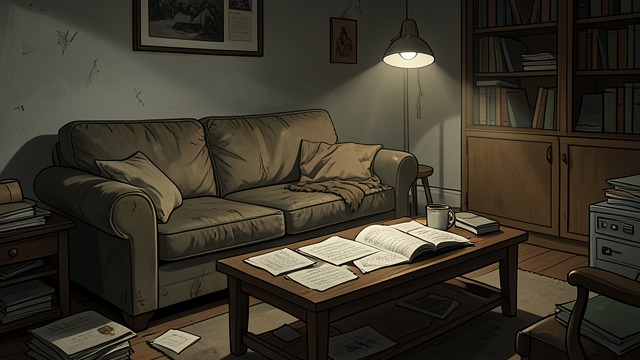
The play opens in Chicago after difficult rehearsals and conflict around the production. Its reception marks a sudden turn from years of uncertainty toward public recognition.
A Life Divided
The essay describes the opening as the end of one life and the beginning of another. Success arrives not as gradual security but as an abrupt change in circumstance.
Sudden Prominence

Sudden Prominence
A Changed Setting
The playwright moves from precarious rented rooms to a first-class Manhattan hotel suite. Public attention and material comfort appear to confirm that he has arrived.
The Cinderella Story
He recognizes how strongly Americans believe in sudden success. Yet the familiar promise of reward does not match the unease he begins to feel in his new surroundings.
Comfort Becomes Stagnation
Comfort Becomes Stagnation
Rest Without Purpose
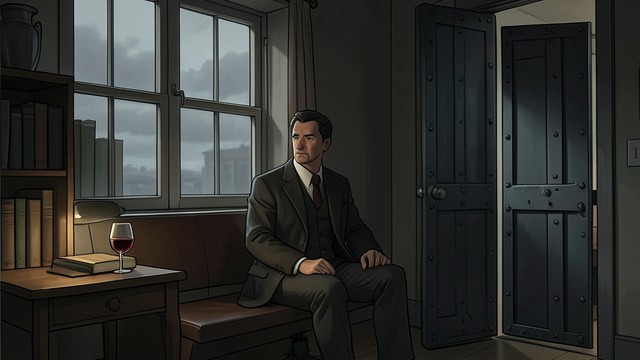
The suite, room service, and attentive staff provide comforts that initially seem like rewards. Instead, the playwright describes growing depression and alienation from ordinary life.
Creativity in Retreat
He becomes impatient with praise and distrustful of conversation. The struggle that once supplied energy for writing has disappeared, leaving comfort strangely lifeless.
Mexico and Recovery
Mexico and Recovery
Leaving the Hotel
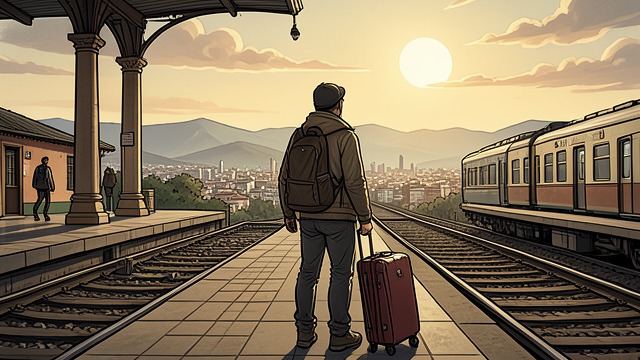
After an eye operation, the playwright leaves the hotel and travels to Mexico. Away from the machinery of celebrity, he feels able to resume a more natural sense of self.
Work Returns
The change of place helps him recover his capacity to write. His account links artistic purpose not to luxury but to the conditions that make effort and attention necessary.
The Artist’s Necessary Struggle

The Artist’s Necessary Struggle
Security Reconsidered
The essay argues that a life without struggle can erode the qualities that make artistic work possible. Success becomes dangerous when it promises protection from effort and conflict.
A Restored Commitment
The playwright returns to compassion, moral attention, and expressive work as better measures of achievement. His conclusion reframes success as a test an artist may survive only by resisting complacency.
December 26, 1944
After the Chicago opening
During the first months of success
Late spring after the success crisis
At the conclusion of the essay
