
Memory as Theatrical Form
The Glass MenagerieThis flow traces how the play’s formal choices transform remembered events into subjective dramatic experience.
increasing Bearing strength in each event
 decreasing
Bearing strength in each eventdecreasingTruth in Disguise

Truth in Disguise
A Narrator’s License
Tom tells the audience that he gives truth in the pleasant disguise of illusion. His announcement makes the play’s artifice part of its argument rather than something concealed.
Memory’s Authority
The story is not offered as a neutral record. Its distortions and emphases reveal how personal recollection can communicate emotional truth that literal realism might miss.
The Transparent Apartment
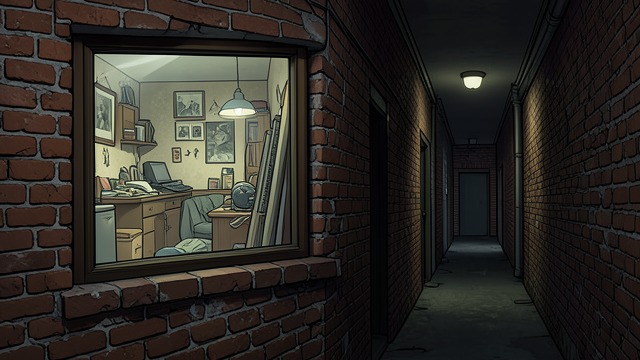
The Transparent Apartment
A Visible Construction
The exterior wall of the tenement becomes transparent as the apartment appears. The stage presents a remembered home as something exposed, selective, and available to Tom’s narration.
Space as Feeling
The crowded building and alley suggest social confinement, while the staged interior places family tensions in view. The design makes setting an emotional argument as well as a location.
The Screen’s Captions

The Screen’s Captions
Images and Legends
Projected words and pictures emphasize selected moments, including the college failure and the approaching caller. They give visual weight to meanings that dialogue only implies.
Memory Made Legible
The device turns Tom’s recollections into a visible pattern of associations. Its expressive directness suits a story whose structure follows emotional emphasis more than continuous realism.
Laura in the Light

Laura in the Light
A Silent Center
Even when Laura is not speaking, the staging sometimes keeps the clearest light on her. The visual focus suggests that the family’s arguments affect her, even when she is not their stated subject.
Fragility and Reverence
Her distinct, almost sacred illumination makes her both vulnerable and precious in Tom’s memory. Lighting converts emotional attention into a theatrical image.
The Closing Tableau
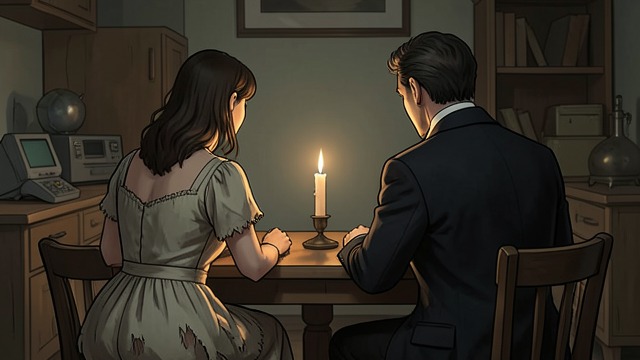
The Closing Tableau
Speech and Silence
Tom narrates his departure while Amanda comforts Laura in a scene the audience can see but not hear. The separation of voice from image lets guilt and tenderness coexist without explanation.
A Final Image
Laura blows out the candles as Tom says goodbye. The ending leaves the family’s pain unresolved while making the act of remembering itself the play’s final theatrical event.
At Tom’s opening address
During the opening scene’s transition
Across the early scenes
During the family quarrel and dinner scenes
During Tom’s final speech
