
From Modernist Hope to Occupation
The Glass RoomThis flow traces the political conflict as optimism in a new democracy gives way to annexation, occupation, and flight.
increasing Bearing strength in each event
 decreasing
Bearing strength in each eventdecreasingA New Republic

Promise After Empire
A chosen identity
Viktor believes the new Czechoslovak state can move beyond ethnic and religious divisions. He sees a shared future as something citizens can actively create.
The modern house reflects this optimism through its rejection of old forms and its international design.
Uneasy foundations
The nation’s diverse communities also create political fault lines. The hope of choosing identity will be tested by movements that define belonging through ancestry instead.
Antisemitism Across the Border
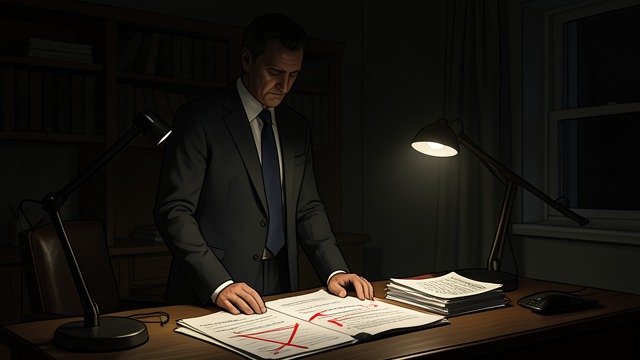
Threat Beyond the Border
Warning signs
Viktor and Oskar discuss the rise of antisemitism and political violence in Germany. Oskar warns that pogroms may follow, while Viktor initially believes Jewish economic importance will limit the danger.
That confidence reveals how difficult it is to imagine the scale of a threat before it becomes immediate.
The law changes daily life
Reports of restrictions against Jewish professionals make persecution concrete. Viktor increasingly understands that personal assimilation offers no protection against state-defined identity.
Austria Is Annexed
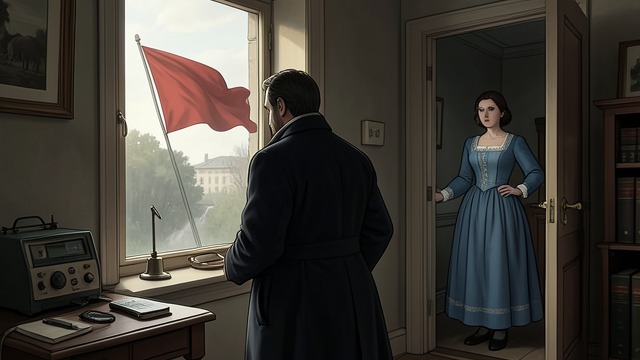
The Border Moves
Anschluss
German forces enter Austria and the country ceases to exist as an independent republic. Radio reports and refugee arrivals carry the change into Město.
Viktor sees that treaties and diplomatic assurances may not prevent further expansion.
A household divides
He proposes that the family should leave, but Liesel resists abandoning home and business. Political danger becomes a conflict within the marriage.
Munich and Dismemberment
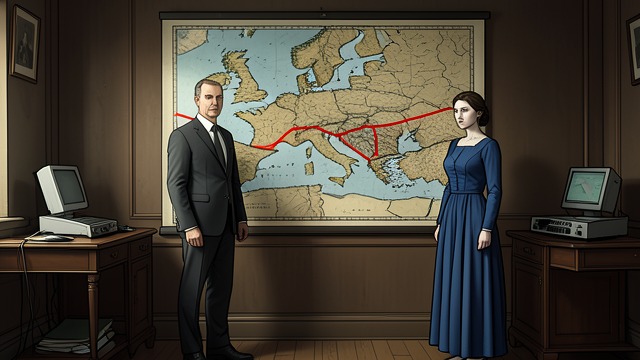
A Country Disassembled
The agreement
The great powers accept the transfer of the Sudetenland, while Czechoslovak leaders lose the ability to defend the country’s borders. The family hears the promises that territorial claims will end.
Viktor treats those assurances as temporary and untrustworthy.
Consequences at home
The loss of territory produces refugees and a sense that the state has been reduced to a vulnerable remnant. For the Landauers, the political crisis becomes a timetable for escape.
Occupation and Flight
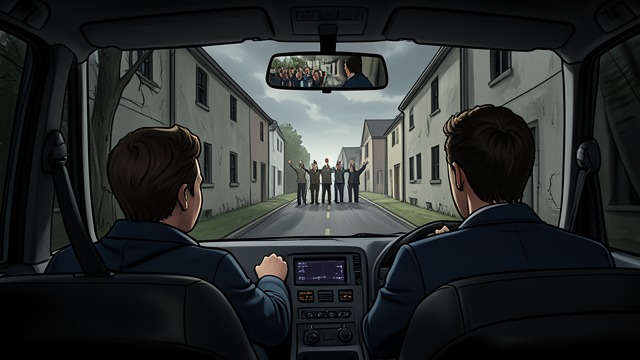
The Warning Fulfilled
German forces enter
The occupation removes any remaining doubt that the country can protect its citizens. Viktor’s preparations make it possible for the family to leave without first confronting a last-minute panic.
His caution has not prevented loss, but it has preserved an avenue of escape.
Exile begins
The family departs while friends and relatives remain behind. Their escape is at once a victory over immediate persecution and a permanent break with the life they had built.
The late 1920s
As the Nazi movement gains power in Germany
March 1938
Autumn 1938
March 1939
