
The Glass Ideal and Its Contradictions
The Glass RoomThis flow traces how the house’s transparency promises honesty but repeatedly coexists with secrecy, surveillance, and exclusion.
increasing Bearing strength in each event
 decreasing
Bearing strength in each eventdecreasingTransparency as an Ideal
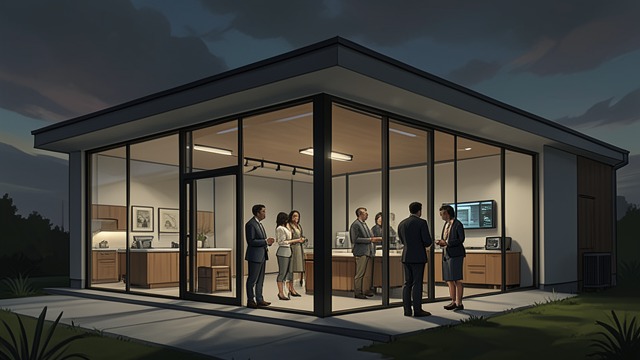
Light and Openness
A modern ambition
Viktor and Liesel imagine the house as an environment without the concealment of old-fashioned rooms and ornament. Rainer von Abt gives that ambition material form through glass, open space, and adaptable divisions.
The house expresses a desire to live in a modern, shared world.
A moral metaphor
At the housewarming, Viktor suggests that people might live in glass houses and abandon secrecy. The idea is appealing precisely because it imagines architecture can shape human honesty.
Affairs Behind the Glass
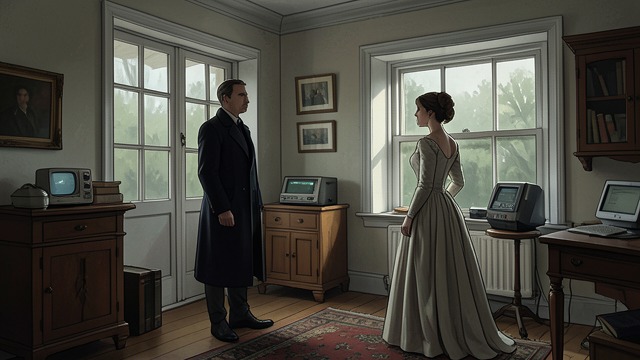
Openness Does Not Prevent Secrecy
Hidden attachments
Viktor conceals his affair with Kata while living in the house meant to symbolize transparency. Hana, too, has private desires and secrets that she chooses when to reveal.
The clear walls expose bodies but cannot make emotions or loyalties fully visible.
Limits of a metaphor
The house cannot enforce honesty. Its openness can intensify exposure, yet its inhabitants still hide what they fear will change their relationships.
The Glass Room as Laboratory

Visibility as Coercion
Bodies examined
The biometric centre uses bright open space for measurement and photography. Subjects are made visible in ways they cannot control, while officials claim that their procedures are scientific and confidential.
Transparency here belongs to the institution, not to the people whose bodies are recorded.
A reversal of meaning
The house’s openness becomes a technology of exposure. A design once associated with freedom is enlisted in a project that classifies and persecutes.
The Room of Present Experience
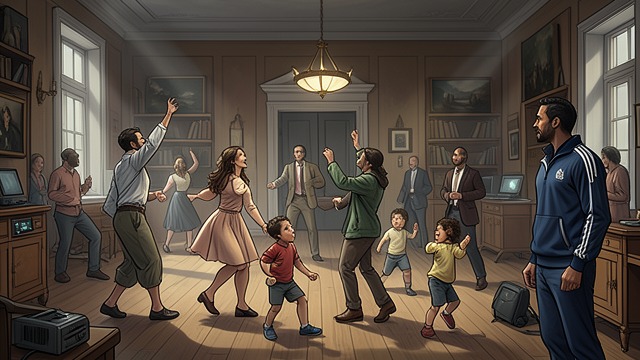
Openness as Refuge
A living gymnasium
Tomáš and Zdenka use the open room for therapy and dance. For Tomáš, the space offers a quiet present detached from historical memory and future obligation.
Zdenka uses it as a stage for children’s rehabilitation and for her own dancing.
A fragile refuge
Their experience shows that a room’s meaning depends on its inhabitants. The same space can shelter intimacy, support healing, or enable avoidance of painful responsibilities.
The Blind Return
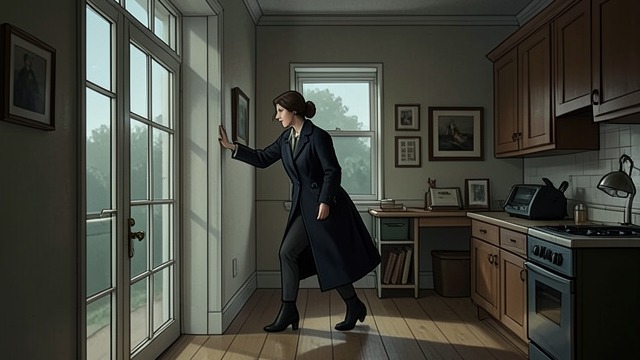
Seeing Through Memory
A changed form of knowledge
Liesel returns blind and navigates the house through memory, sound, and touch. Her experience challenges the assumption that transparency is simply a matter of sight.
She can summon the room’s past more clearly than sighted visitors can perceive its present.
What openness cannot restore
The house is public and visible, yet the life it once held is gone. Its transparency allows visitors to look but does not grant them full access to what its inhabitants lost.
When the house is commissioned
During the Landauers’ family years
During the Nazi occupation
During Tomáš and Zdenka’s postwar work
Thirty years after Liesel leaves
