
The House and the Meaning of Home
The Glass RoomThis flow examines how home shifts from a designed ideal to a lost possession, a remembered place, and a disputed public inheritance.
increasing Bearing strength in each event
 decreasing
Bearing strength in each eventdecreasingA Home Designed Together
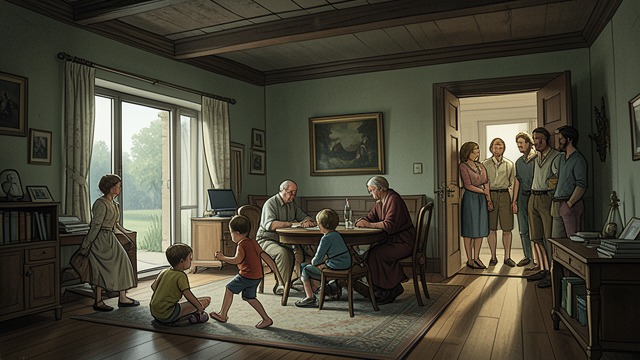
Home as Chosen Form
Design and belonging
The Landauers commission a house that reflects their rejection of inherited styles and their hope for a modern shared life. Its architecture represents a choice about how a family might live.
The house’s form therefore carries emotional meaning beyond its walls and materials.
A lived place
Children, friends, music, meals, and daily routines turn the architectural experiment into a home. Its meaning comes from the life that occupies it, not from design alone.
Home Confiscated
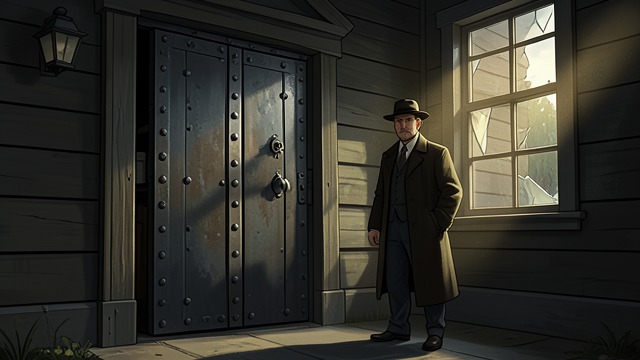
Ownership Without Power
The property is taken
The authorities confiscate the house because Viktor is Jewish. The family’s claim is displaced by official paperwork and the state’s power to redefine ownership.
For Liesel, the loss is not merely financial; it is the removal of a shared life and a future imagined in those rooms.
A legal fiction
The building remains physically present while its owners are barred from it. This separation exposes the gap between possession in law and belonging through lived experience.
Exile Replaces Domestic Life
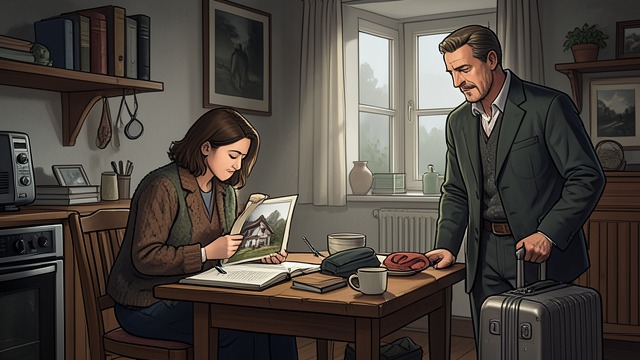
Home as an Absence
A temporary story
Liesel initially treats exile as a pause before return. She writes to Hana and tries to maintain links to the home she has lost.
The longer the family remains away, the more difficult it becomes to imagine that life can simply resume.
New routines
The family creates a life in Switzerland, but the new house and landscape do not erase the old one. Home becomes both an absent place and a set of relationships carried across borders.
The Museum Question
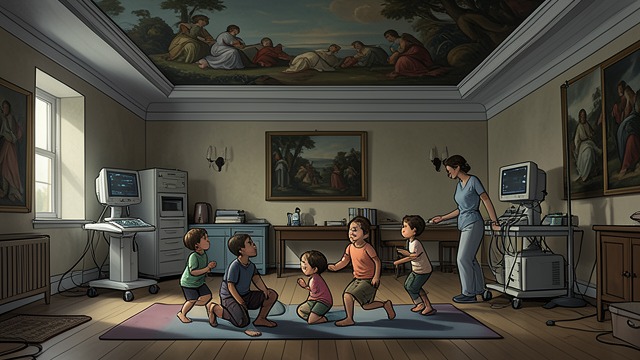
Preservation Versus Use
A working space
The former home serves as a physiotherapy gym for children with polio. Its open floor supports care and movement, giving the building a present-day function that matters to its users.
Heritage advocates argue that the architectural work deserves restoration and public recognition.
Competing claims
The question is not simply whether the house is beautiful, but whether a museum should displace a living service. The building belongs simultaneously to architectural history and contemporary need.
Return Without Possession
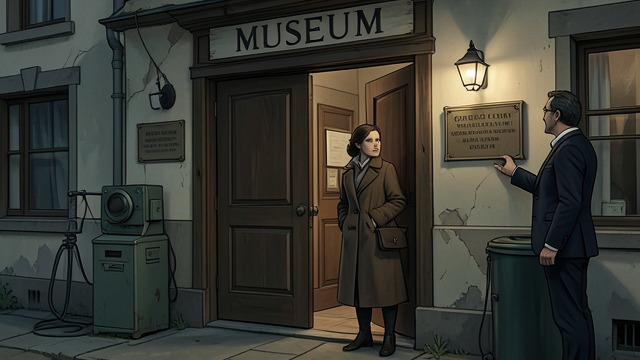
A Home Revisited
Public access
Liesel returns to a house now treated as architectural heritage. The visit acknowledges the city’s stewardship without recovering the family’s former ownership or daily life.
The restoration can replace materials and furniture, but not the conditions that made the building home.
A complicated belonging
Liesel’s return makes the house both hers through memory and the city’s through public history. The novel leaves belonging unresolved between family, institution, and those who continue to use the space.
From the Venice meeting through the house’s completion
After the family’s escape in 1939
After the family settles in Switzerland
During the postwar dispute over the building
In 1990
