
Memory, Dreams, and the Lost Homeland
The Glass RoomThis flow traces how memories of the house change under exile, trauma, and time, yet continue to connect people across generations.
increasing Bearing strength in each event
 decreasing
Bearing strength in each eventdecreasingThe House Becomes Memory
Remembering at a Distance
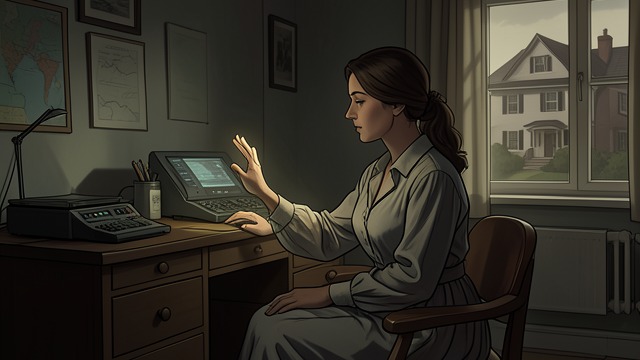
Liesel’s mental reconstruction
In exile, Liesel recreates the house by recalling its rooms, furniture, and routes. Memory offers a form of return when physical return is impossible.
The remembered building remains vivid, though its details are increasingly shaped by longing.
Dream and fact
The past becomes a place assembled from light, sound, and feeling. Liesel’s inner Glass Room is both a faithful record and a changing imaginative construction.
Letters Across a Sealed Continent
Correspondence Under Strain
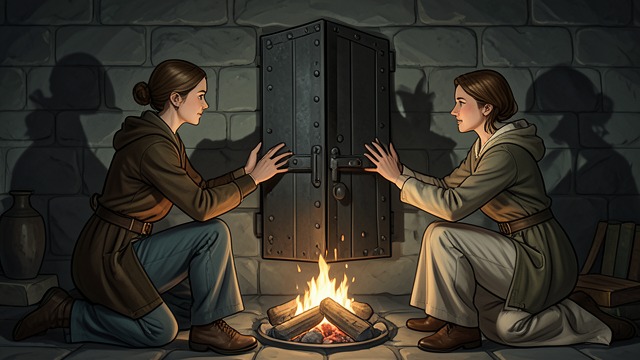
A fragile connection
Liesel and Hana write to one another across borders. Delays, censorship, and letters that go missing make communication uncertain, so each page carries emotional weight beyond its ordinary contents.
The women use shared memories and private language to preserve their friendship.
Time out of joint
A letter can arrive after its news has become history. Correspondence keeps them connected while exposing how exile separates people from the present lives of those they love.
Stahl’s Buried Past
Memory Breaks Through
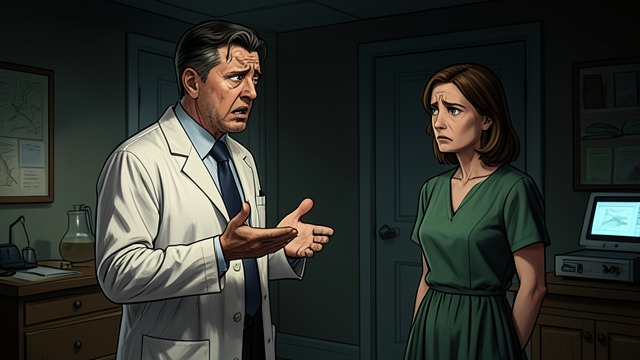
A private confession
Werner Stahl recounts Erika’s illness, her death, and Hedda’s suicide to Hana. The disclosure interrupts his professional persona and exposes the grief beneath it.
Hana’s response makes the memory more than a scientific case or a private wound.
Memory and complicity
Stahl’s loss does not excuse his participation in racial science. The juxtaposition shows how personal suffering can coexist with service to an inhuman ideology.
The Past in the Gymnasium
New Occupants Hear Echoes
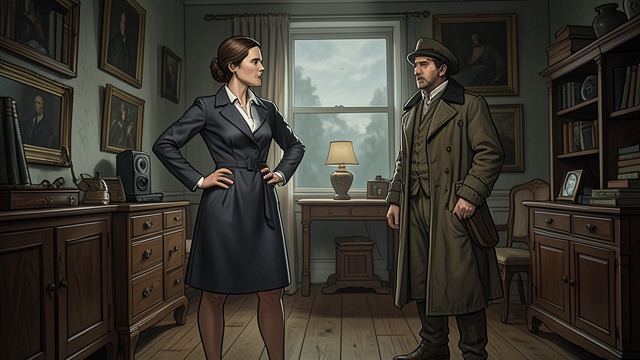
A room with earlier lives
Tomáš resists learning that the gymnasium was once a private home. Zdenka gradually discovers its history through Hana and the building itself.
The same space holds rehabilitation, dance, former family life, and the traces of Nazi violence.
Memory enters use
The past does not remain safely in a museum. It affects how present occupants understand the room and how they imagine their own lives within it.
Recollections Meet in 1990
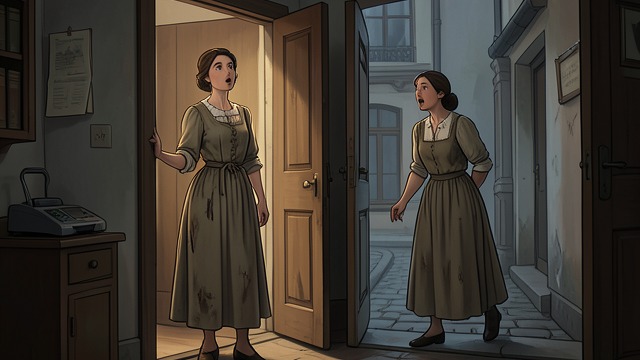
Recognition Across Generations
Marie’s childhood returns
Marie Delmas recognizes the house from memory before she can fully explain who she is. Her encounter with Ottilie joins two people whose childhoods were formed in the same place but separated by war.
The recognition gives a human face to the house’s architecture and history.
Memory remains incomplete
Neither woman can restore the past as it was. Their meeting creates a connection in the present without resolving every loss, absence, or unanswered question.
After the Landauers leave Město
During the years of exile and wartime censorship
During his wartime encounter with Hana
During the postwar heritage visits
During the final visit to the house
