
Modernism, the Future, and Its Betrayals
The Glass RoomThis flow traces the novel’s faith in modern design and progress as political catastrophe exposes the limits of treating the future as a guarantee.
increasing Bearing strength in each event
 decreasing
Bearing strength in each eventdecreasingA House Against the Past
The Modernist Break
Rejecting inherited forms
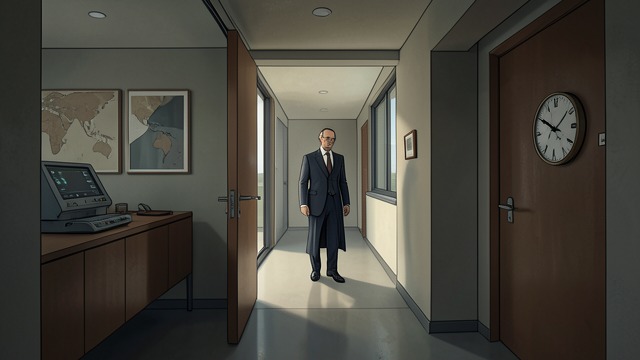
Viktor and Rainer von Abt reject ornament and traditional domestic architecture. Their project imagines that clean lines and open space can support a more rational, modern way of living.
The house is also a statement about the new country’s capacity to choose a future beyond imperial inheritance.
Form and aspiration
Modern design carries political and emotional hope, though it cannot itself resolve social conflict. The building expresses a future the characters want more than one they can control.
The Future Enters Daily Life
A New Way to Live
Domestic experiment
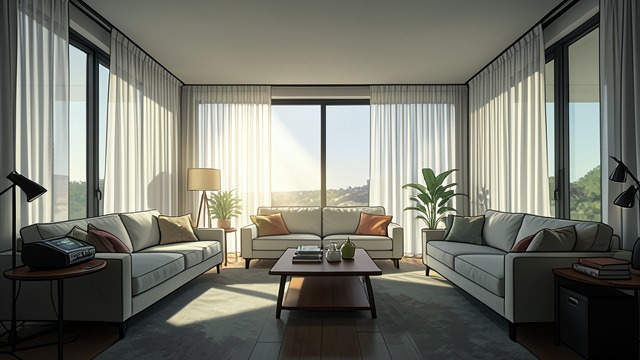
The Landauers move into an open-plan home where curtains can create privacy without fixed walls. The design makes daily life feel adaptable and liberating.
Visitors debate whether such a space can truly be comfortable as a home.
Confidence in progress
The family treats the house as evidence that modernity can improve life. Their optimism is real, but it depends on a political and economic stability they cannot guarantee.
War Reverses Progress
The Future Turns Against Its Makers
Political collapse
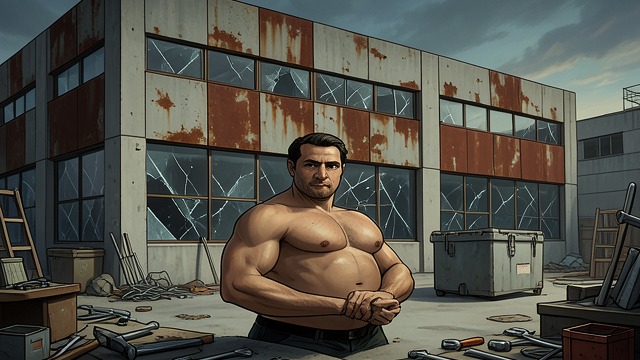
War and occupation overturn the family’s belief that progress leads toward peace. Modern systems of transport and administration facilitate both escape and persecution.
The house’s advanced design is repurposed as a laboratory for racial classification.
A broken promise
The future does not arrive as a clean break from history. It carries older prejudice into new institutions, exposing the danger of equating technical innovation with moral progress.
A Future Denied by Politics
Progress Without Freedom
Personal refusal
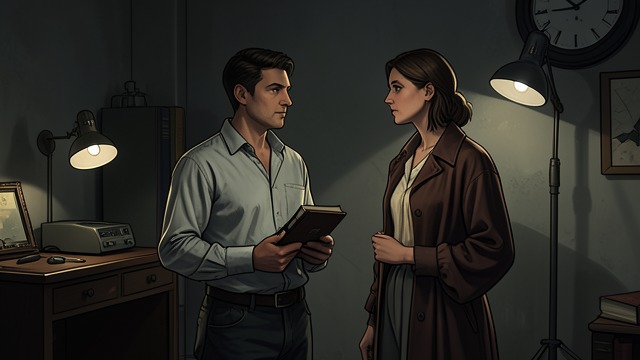
Tomáš insists that only the present exists, while Zdenka wants a future that could include home, family, and shared plans. Their disagreement echoes the gap between political promises and ordinary people’s lives.
His philosophy offers relief but also becomes a way to avoid commitment.
Repeated uncertainty
Even a later journey to Paris cannot guarantee a lasting change. The experience opens possibilities, but Tomáš returns to a life in which the future feels politically and personally constrained.
The House Survives Its Ideas
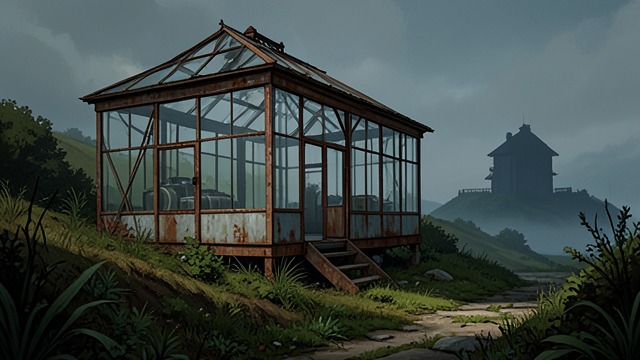
Architecture After Utopia
A public monument
The house survives changing governments and uses, though it is damaged, repaired, and altered. Its architecture becomes an object of heritage rather than a promise of social transformation.
The building’s endurance may look like the triumph of modern design, but it has not prevented political violence or private loss.
A modest legacy
The house remains valuable because people continue to interpret and inhabit it. Its history complicates the idea that design alone can deliver the future it imagines.
During the design commission
During the house’s completion and housewarming
From the Munich crisis through the occupation
During Tomáš and Zdenka’s postwar relationship
By the return visit in 1990
