
A House Used by Each Era
The Glass RoomThis flow reframes the building through the changing people who occupy it, showing how each generation makes a different use of the same space.
increasing Bearing strength in each event
 decreasing
Bearing strength in each eventdecreasingThe Landauer Home
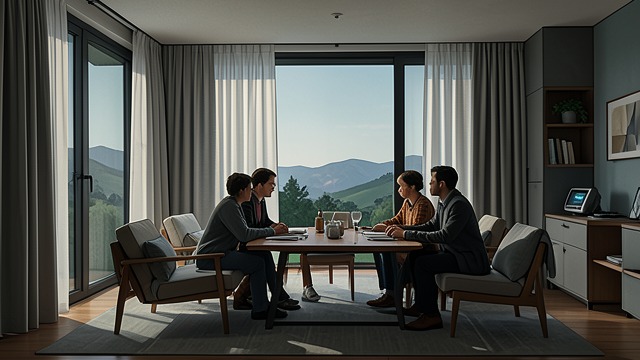
Domestic Use
A family’s rooms
The Landauers use the house as a home for children, friends, music, and work. The open plan is adapted through curtains, furniture, and the rhythms of daily life.
The building’s modernism is tested by ordinary needs rather than preserved as a theory.
A place of memory
The house’s design gathers family experience into a single setting. After the family leaves, the rooms become a measure of the life they have lost.
The Biometric Centre
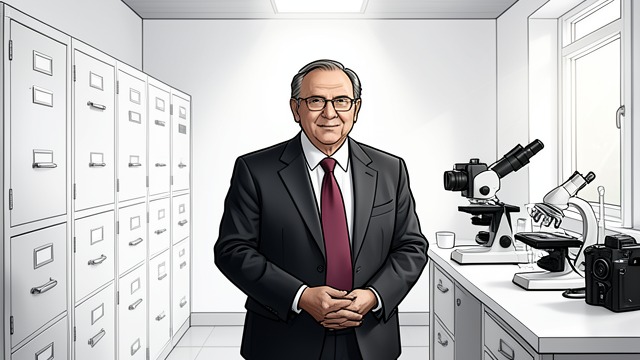
Institutional Use
Research apparatus
The occupation authorities transform the home into offices, laboratories, and photographic rooms. Measuring equipment and files fill spaces once used for family gatherings.
The change connects occupation to the seizure of property and the administration of racial ideology.
A false neutrality
The researchers treat the setting as suitable for science, but their procedures serve state power. The house’s calm surfaces make coercion look orderly.
Laník’s Refuge and Storehouse
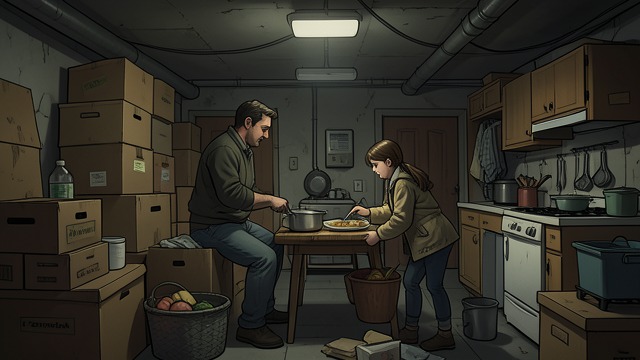
Use for Survival
A caretaker’s domain
Laník and his sister occupy rooms near the kitchens and use the basement for stored necessities. The house becomes shelter and a source of goods to trade.
His practical use contrasts with the building’s former status as an architectural work of art.
Private claims
Laník treats access and possession as forms of authority. His position is precarious, yet he takes advantage of the family’s absence to shape the place around his own interests.
The Physiotherapy Gym
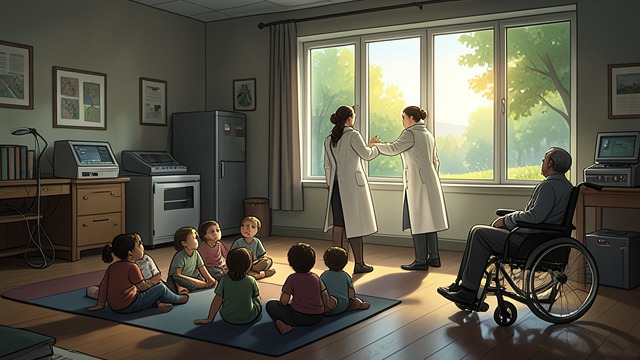
Care and Movement
Children’s treatment
The hospital uses the former living room as a gym for children with polio. Zdenka leads exercises, while Tomáš reflects on illness, time, and the fragile lives of his patients.
The room’s openness serves a practical medical purpose.
A living institution
The building functions as a workplace rather than a memorial. This raises a genuine conflict between preserving architecture and maintaining a space that helps vulnerable children.
The Heritage Museum
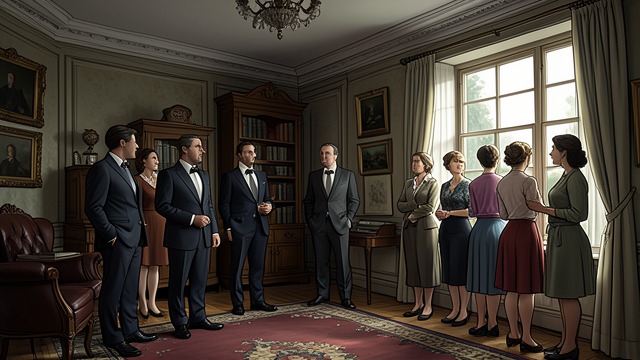
Public Memory
A guided tour
Visitors enter a restored version of the house and hear its architecture explained. The tour turns private rooms into a public narrative about design, ownership, and history.
The guide’s abbreviated descriptions cannot contain every intimate memory attached to the place.
A space still in use
Liesel, Hana, Ottilie, and Marie encounter their past inside the institutional presentation. The house belongs to public heritage, but its emotional meanings remain personal and unfinished.
From 1929 to the family’s flight
During Nazi occupation
During the later war years
After the war and into the 1960s
During the 1990 return visit
