
The 1968 Visit and the Return of History
The Glass RoomThis flow traces the reappearance of Liesel and Hana’s past during the political thaw and the later Soviet intervention.
increasing Bearing strength in each event
 decreasing
Bearing strength in each eventdecreasingA New Political Opening
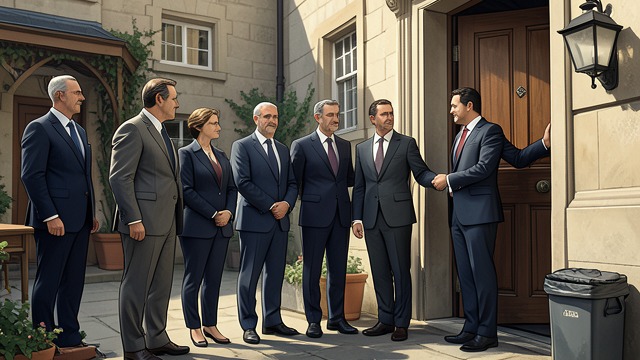
Hope After Stagnation
A changed public climate
The reform era allows renewed discussion of cultural heritage and the country’s past. A committee visits the former Landauer House and seeks to reconsider its neglected architectural importance.
The possibility of openness brings hope to people long accustomed to political control.
Personal histories return
Hana’s connection to the house and its former owners becomes relevant again. The building creates a meeting point between public reform and private memory.
Tomáš Resists the Past
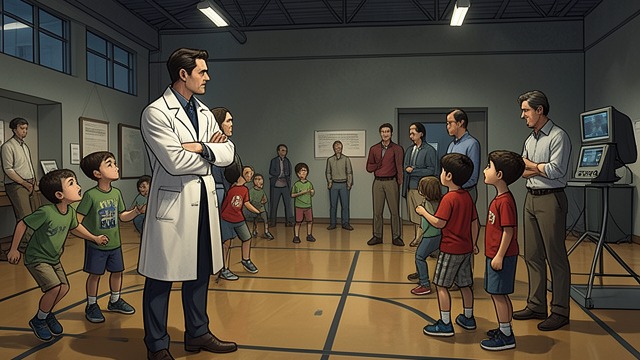
Present Use Versus History
A doctor’s perspective
Tomáš values the gym as a working place for children with polio and doubts the importance of turning it into a museum. His philosophy also resists the past as a force that can govern the present.
The heritage visitors see a cultural treasure where he sees a clinical environment.
A collision of values
The visit forces him and Zdenka to acknowledge that the room has a history beyond their own use. Their disagreement reflects a wider conflict over how a society should remember what it has survived.
Hana Re-enters the House
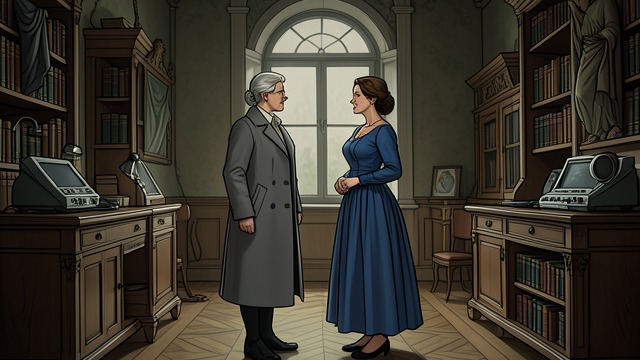
The Past Becomes Personal
A former friend appears
Hana meets Zdenka in the building where Liesel once lived. She describes her friendship with Liesel and begins to disclose her own wartime history.
The house’s architectural past is no longer an abstract subject: it is carried by the person standing in the room.
A new relationship begins
Hana’s growing connection with Zdenka makes the heritage visit a site of new emotional possibility. The past remains present, but it does not prevent new attachments.
The Spring Is Interrupted
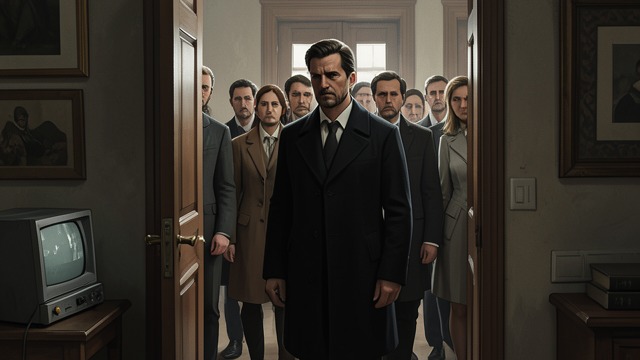
Reform Gives Way to Control
Political reversal
The hopeful reform period is ended by Soviet intervention. Hana tells Liesel that normalization is likely to return the country to familiar controls and political conformism.
Tomáš expects the promise of reform to fade, comparing the country to patients who briefly awaken from a prolonged illness.
Consequences for the living
Political reversal affects the future of the clinic, the heritage project, and the people who hoped for greater freedom. The house remains, but its occupants’ choices narrow again.
A Return Before Normalization
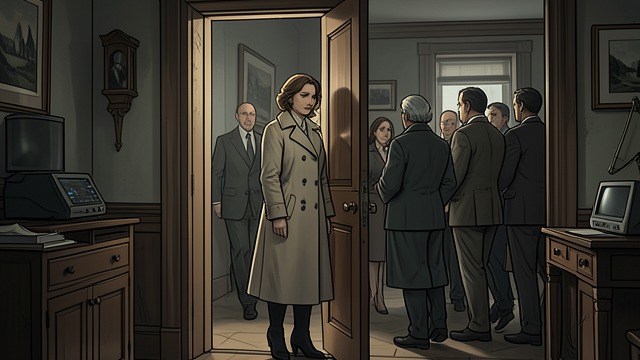
The House Opens Again
A political interval
After the fall of the Iron Curtain, Liesel can return to Město and enter the house she left decades earlier. Her visit takes place during a brief moment when public memory and private testimony can meet.
She reunites with Hana and encounters younger people who use the building differently.
Hope remains uncertain
The visit offers connection, but the characters know that political openings may not last. The story preserves both the joy of return and the uncertainty of what comes next.
During the reform period of 1968
During the heritage committee’s visit
During a return visit to the former Landauer home
After the Soviet-led invasion of 1968
During Liesel’s 1990 visit
