
Migration, Names, and Identity
The Glass RoomThis flow traces how characters’ names, papers, and national categories change as they cross borders and political systems.
increasing Bearing strength in each event
 decreasing
Bearing strength in each eventdecreasingChosen and Imposed Identities
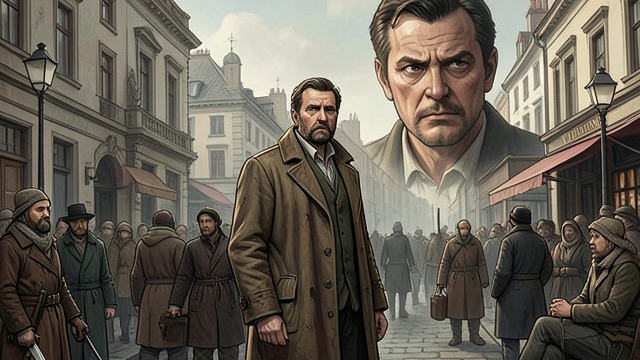
Identity as Possibility
Viktor’s ideal
Viktor hopes that the new country can allow people to be more than German, Czech, or Jewish labels. He treats identity as partly chosen and imagines a modern civic future.
His own Jewish background remains a fact others may use against him, regardless of his personal beliefs.
The limit of choice
As Nazi policy advances, the state decides who counts as Jewish, Aryan, or mixed. The novel contrasts Viktor’s ideal of self-definition with the power of imposed categories.
Papers at the Border
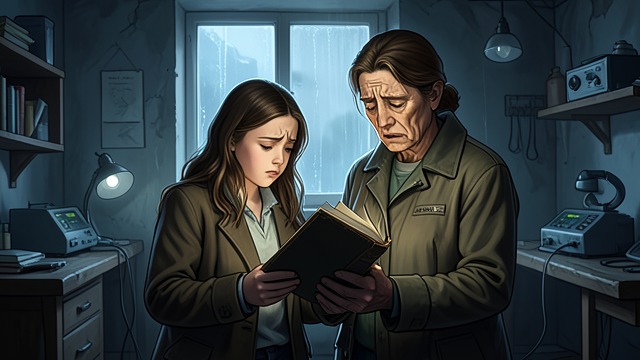
Documents Decide Movement
Refugee papers
Katalin and Marika travel with a Nansen passport and related visas. Their documents have allowed movement before, but at Bayonne an official questions them and orders their detention.
The Landauers’ passports and travel arrangements do not protect the two refugees equally.
Identity made administrative
The border encounter reduces a mother and daughter to a document category. Their lived relationship and actual danger matter less to the officials than the papers in their hands.
A Family Name in America

The Name Changes
Practical adaptation
Viktor changes the family name from Landauer to Landor because he believes the American form will be easier for business and everyday life. The alteration does not erase their history but changes how it appears publicly.
The family becomes American citizens while carrying memories of Europe.
Belonging by translation
The changed name shows that migration requires adaptations in language as well as location. It also raises the question of whether simplification makes a new life easier or merely less legible to the past.
A Name Recovered
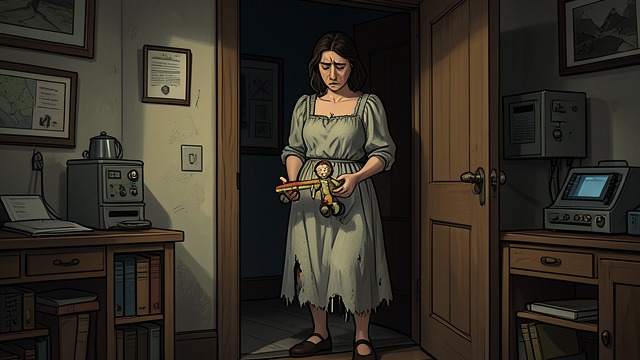
Memory Beyond Documents
A childhood identity
Marie Delmas arrives in Město under the name she has used for most of her adult life. The house awakens memories of a childhood and a mother whose language she only partly retains.
The encounter with Ottilie helps restore a connection to the name Marika and the life she once had.
Recognition without repair
A recovered identity can reconnect people, but it cannot return their shared childhood. The reunion makes visible both the persistence and the limits of memory.
The House as a Shared Record
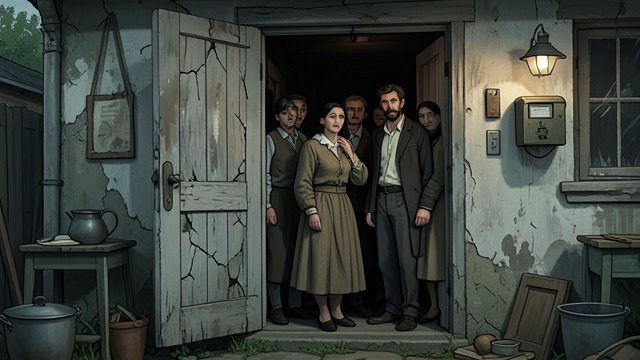
Multiple Histories in One Place
Competing accounts
The house has been called home, laboratory, shelter, clinic, and museum. Each name describes a real use, but none contains the entire history of the building.
Former residents, political officials, caretakers, and medical workers hold different forms of authority over its story.
Identity and place
The building’s changing names and uses mirror the characters’ changing identities. What endures is not a single official account, but the accumulated presence of those who lived, suffered, worked, and remembered there.
During the First Republic years
During the family’s escape through Bayonne
After the family settles in the United States
During Marie Delmas’s visit in 1990
At the final return to the house
