
The Silence Around the Lost
The Glass RoomThis flow traces how gaps in knowledge—about Kata, Oskar, Světla, and the family’s past—shape the characters’ lives without easy resolution.
increasing Bearing strength in each event
 decreasing
Bearing strength in each eventdecreasingKata Disappears
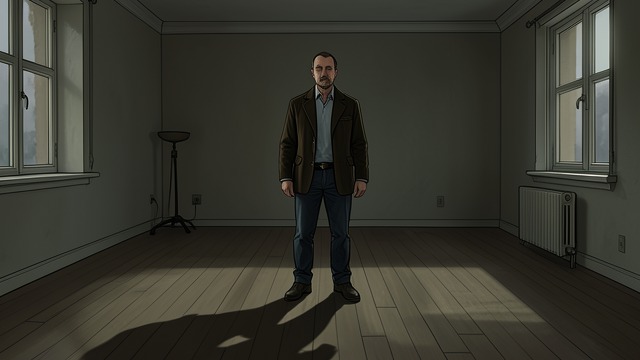
An Absence Without Explanation
A failed search
When Viktor returns to Vienna, Kata has left her apartment and no one can tell him where she has gone. He writes asking her not to abandon him, but receives no immediate answer.
Her disappearance leaves him with questions rather than closure.
The life beyond his view
Kata’s absence reminds Viktor that he never knew the whole of her life. The relationship he imagined as intimate was still structured by secrecy and unequal knowledge.
Oskar’s Unknown End
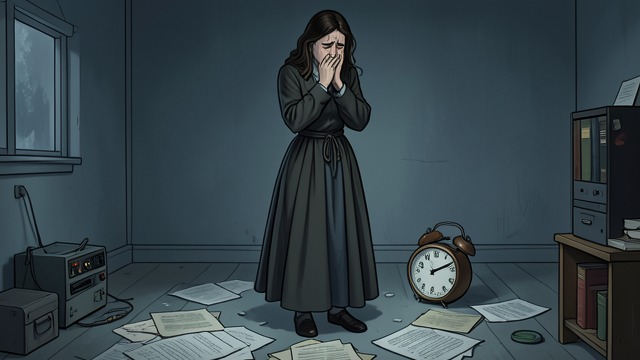
A Husband Lost to Deportation
Fragmentary news
Hana learns that Oskar was sent to Terezín and later transported to Auschwitz. She cannot witness what happened or know the full circumstances of his death.
The facts arrive as incomplete information after the chance to intervene has passed.
Grief without a final scene
Hana’s lasting love for Oskar coexists with her uncertainty about his final days. The absence of full knowledge becomes part of her mourning.
Světla’s Brief Life
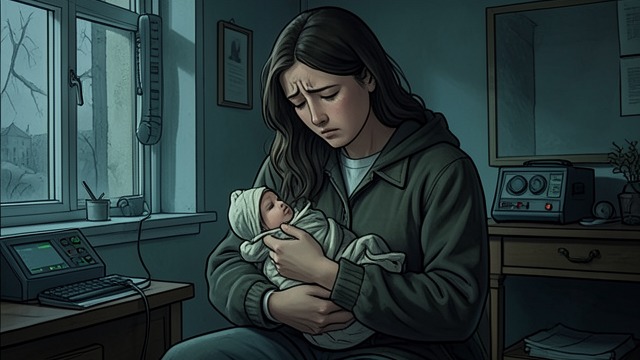
A Child Remembered
Birth and separation
Hana gives birth to Světla in the camp and is allowed only a brief time with her daughter. The infant is taken away, and Hana never learns what became of her.
She imagines a possible reunion because that hope helps her survive.
The story is finally told
Hana keeps the loss secret for decades before telling Zdenka. The confession gives the child a name and a witness, though it cannot answer what happened.
The Missing Refugees
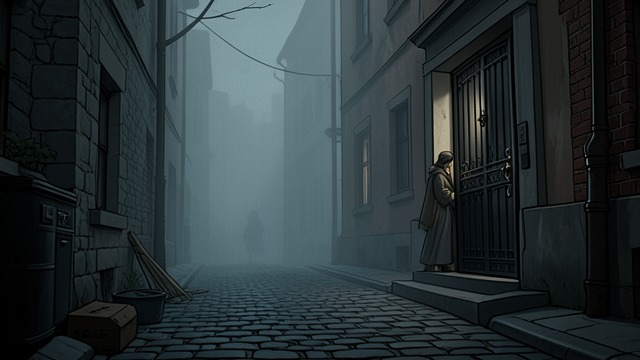
A Search Without Results
No news from the border
Katalin and Marika are detained at Bayonne, and the Landauers later ask officials and consulates to locate them. War disrupts records, travel, and communication.
The family’s search cannot overcome the uncertainty created by borders and occupation.
What cannot be told
When Liesel returns, she recalls that Katalin and Marika stayed behind. Their fate remains outside the narration’s resolution, preserving the painful incompleteness of wartime experience.
A Past Recovered in Fragments
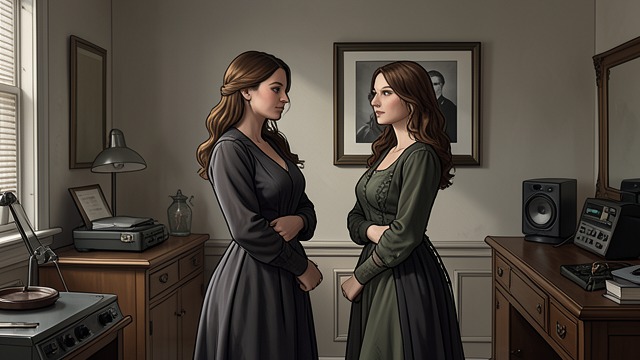
Recognition Without a Complete History
A photograph and a place
Marie’s memory returns through an architectural photograph and the rooms of the house. Ottilie recognizes the childhood world they shared, while Marie’s adult identity remains marked by decades of separation.
Their recognition supplies a human connection where official accounts offer only dates and names.
The limits of recovery
The women can identify one another, but they cannot recover their childhood or the missing years. The novel treats memory as a bridge that remains incomplete.
After Viktor’s affair has begun
During Hana’s postwar account of her marriage
During Hana’s imprisonment at Ravensbrück
After the Landauers leave France
During the 1990 encounter between Marie and Ottilie
