
The Children and the Ethics of Eugenics
The Glass RoomThis flow traces how the novel links disabled children, medical care, racial ideology, and the moral value assigned to vulnerable lives.
increasing Bearing strength in each event
 decreasing
Bearing strength in each eventdecreasingErika’s Illness

A Child’s Changing Body
Disease emerges
Erika first appears to her parents as a healthy, responsive baby. She gradually loses abilities as a rare inherited disorder damages her brain.
The change turns ordinary development into a painful reversal.
Beyond classification
Her condition is a medical reality, but Stahl interprets it through racial doctrine. The contrast exposes the danger of treating disability as evidence of moral or social inferiority.
Hartheim and the Killing Program
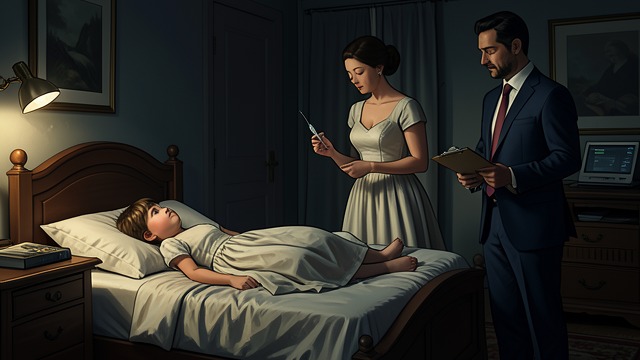
Medicine Becomes State Violence
A clinical procedure
Erika’s parents take her to Hartheim Castle, where she is killed with drugs after a brief, orderly admission process. The institution’s clinical manner conceals the deliberate taking of a child’s life.
Stahl later describes the death as merciful, revealing how policy can reshape parental judgment.
A broader ideology
The scene exposes the moral danger of a state that turns disability into a reason for killing. Scientific and medical language becomes a shield for violence.
The Children in the Gym

Care in the Former House
Rehabilitation
Tomáš and Zdenka work with children whose bodies have been altered by polio. The gym’s open space allows exercise, treatment, and a degree of shared activity.
The children’s difficulties are presented through care and daily interaction rather than as abstract categories.
A different ethic
The medical work values each child’s capacity and experience. It contrasts sharply with the earlier laboratory’s effort to rank bodies by a racial standard.
Zdenka’s Emotional Labor
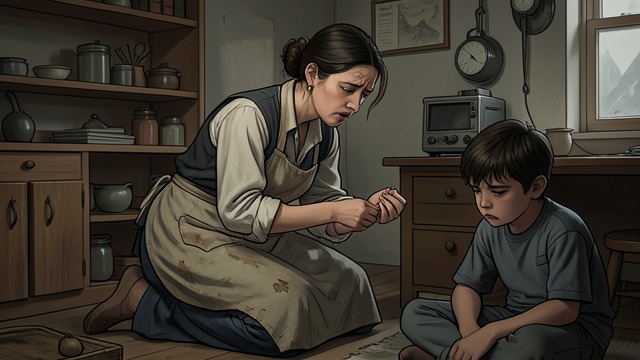
Care Refuses Detachment
Shared struggle
Zdenka feels each child’s setbacks and small achievements deeply. Tomáš advises professional distance, but she cannot keep the children’s suffering separate from her own emotions.
Her involvement gives the children encouragement that routine exercises alone cannot provide.
The cost of care
The contrast between Zdenka and Tomáš raises a question about whether emotional distance truly makes medicine more useful. The novel values care without presenting it as easy or cost-free.
Two Medical Worlds
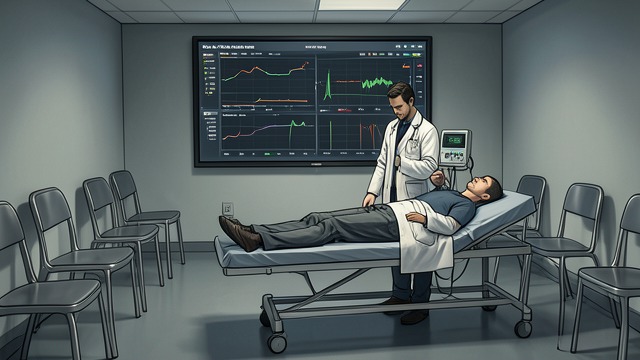
Measurement Versus Treatment
Classification and control
The biometric centre measures bodies to sort people into racial categories. Its apparent scientific order serves a political program of exclusion and persecution.
The later physiotherapy gym also studies bodies, but to support movement and relieve suffering.
Purpose matters
The contrast does not make medicine automatically virtuous or harmful. It shows that methods gain meaning from the purpose and power relations that organize them.
During the early years of Werner Stahl’s marriage
When Erika is four years old
During the postwar physiotherapy years
During her work with the children
Across the wartime and postwar uses of the house
