
Ornament, Class, and the Shape of Life
The Glass RoomThis flow traces the conflict over ornament and modernism as an argument about taste, social status, and the purpose of domestic architecture.
increasing Bearing strength in each event
 decreasing
Bearing strength in each eventdecreasingAgainst the Nineteenth Century
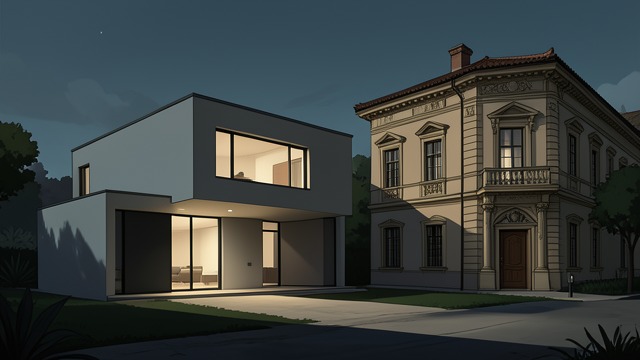
A Rejection of Old Forms
Viktor’s ambition
Viktor rejects the ornate villa and conventional styles he associates with the past. He wants a modern home that reflects innovation and a newly imagined public life.
Rainer von Abt’s ideas seem to answer this desire.
Architecture as politics
For Viktor, a house can signal a break with inherited identities and habits. His architectural choices are therefore also arguments about the kind of society he hopes to inhabit.
The Secession Dispute
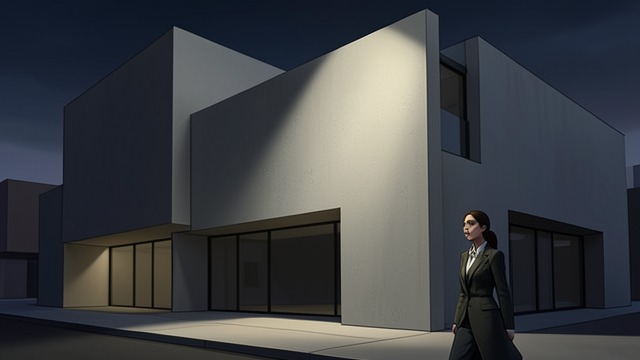
What Should a Building Resemble
Competing tastes
Liesel admires the Viennese Secession, while Rainer argues that buildings should not look like familiar objects or carry decorative references. He favors abstraction and material clarity.
Their debate reveals that Liesel’s aesthetic instincts differ from the architect’s doctrine.
A practical objection
Liesel questions whether an abstract building can meet ordinary needs. Her skepticism keeps modernism accountable to habitation rather than allowing theory to dictate every choice.
The Flat Roof Argument
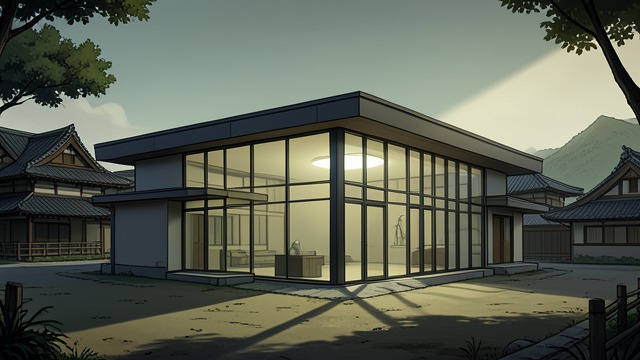
Design Meets Climate
Viktor’s doubt
Viktor worries that the flat roof and glass walls may not suit the local weather. The proposal’s striking appearance does not remove practical concerns about heat, cold, and water.
Rainer answers that modern materials can overcome the elements.
Confidence tested
Liesel defends the plan as a new way of living, while Viktor hesitates. The exchange makes the project a negotiation between artistic ambition and domestic risk.
The Class Critique
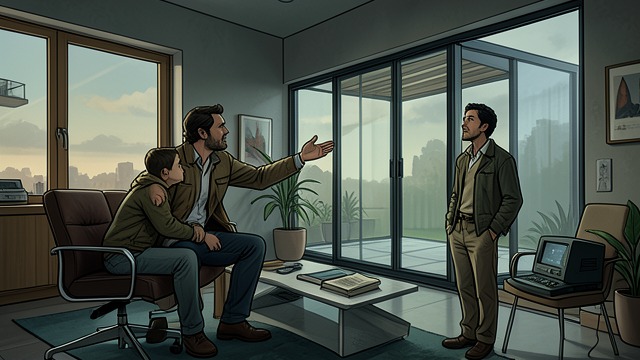
Who Deserves Modern Architecture
Political criticism
Reviewers ask whether architects should build working-class housing rather than expensive private residences. The debate places the Landauer House within questions of class and public duty.
Supporters reply that design quality is not invalidated by the owner’s wealth.
A lived defense
Liesel argues that the house works as a home and that the family participated in its design. Her response contests the idea that the building can be understood only through its class position.
The Old Villa in Exile
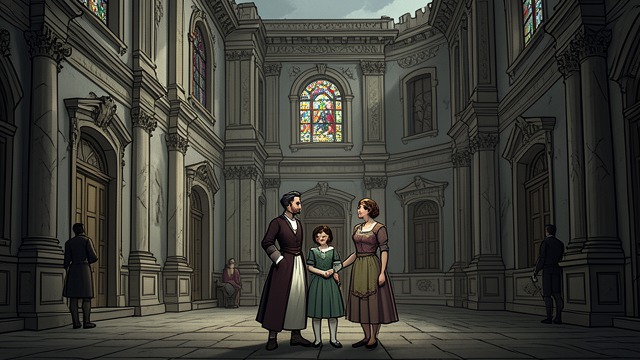
A Return to What They Rejected
Forced accommodation
In exile, the family settles in a villa resembling the ornate domestic architecture they once rejected. The building feels like an enemy fortress rather than a chosen home.
Their material circumstances have reversed their earlier confidence and taste.
Modernism after loss
The experience shows that architectural preference depends on freedom and belonging. The modern house was not simply a style; it was a life the family had chosen and then lost.
During the honeymoon planning
During the couple’s conversations with Rainer
When the first plans arrive
After the house is discussed in Die Form
After the family settles in Switzerland
