
The Law as a Weapon
The Glass RoomThis flow traces how official law and paperwork lose their protective meaning and become instruments of dispossession, exclusion, and separation.
increasing Bearing strength in each event
 decreasing
Bearing strength in each eventdecreasingRights Under Pressure
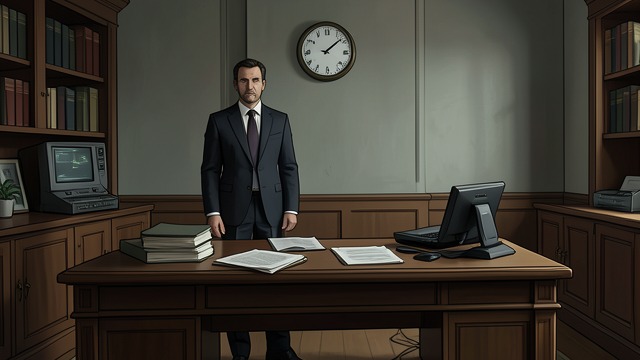
Law Rewritten by Ideology
Restrictions accumulate
Reports describe Jewish doctors barred from treating non-Jewish patients and new limits on work, property, and marriage. Viktor begins to understand that legal status can be changed to exclude an entire population.
The restrictions reach beyond Germany through political influence and expansion.
A false reassurance
Some characters believe that existing marriages or business arrangements will remain protected. The novel shows how legal distinctions can offer temporary comfort while a discriminatory system grows.
A House Taken by Decree
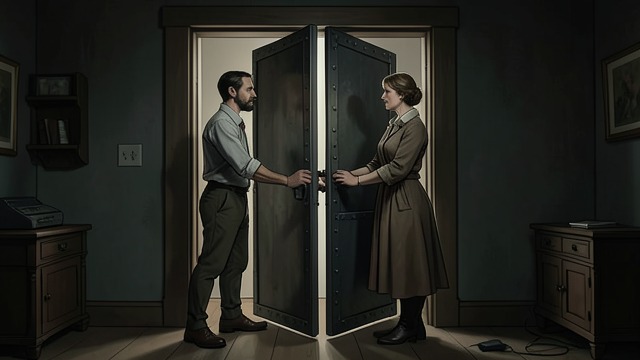
Expropriation Through Paper
The letter arrives
The family’s lawyers inform Viktor and Liesel that the house has been confiscated. The decree gives official form to a theft that the family cannot effectively challenge.
The children hear that their home is no longer theirs and struggle to understand the injustice.
Law without redress
Viktor knows that the authorities write the rules to suit themselves. The legal process functions not as protection but as the instrument that formalizes dispossession.
Nansen Passports Questioned
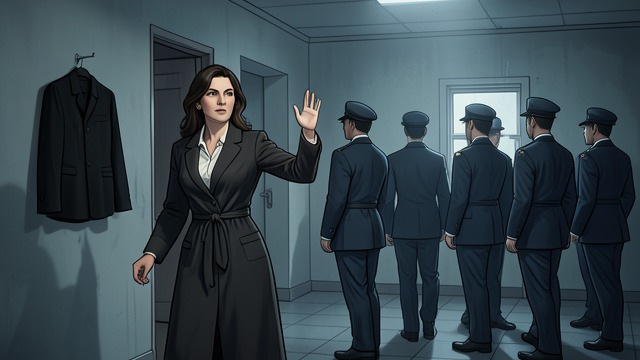
Documents Fail to Protect
A refugee document
Katalin and Marika carry temporary travel papers issued for refugees. Officials treat the documents as grounds for detention rather than as evidence of permission to travel.
Viktor’s explanation is dismissed as the decision moves forward.
Procedural violence
The scene shows how a seemingly administrative process can separate families and determine who may continue a journey. Legal forms provide no guarantee when authorities choose not to honor them.
The Postwar Property Dispute
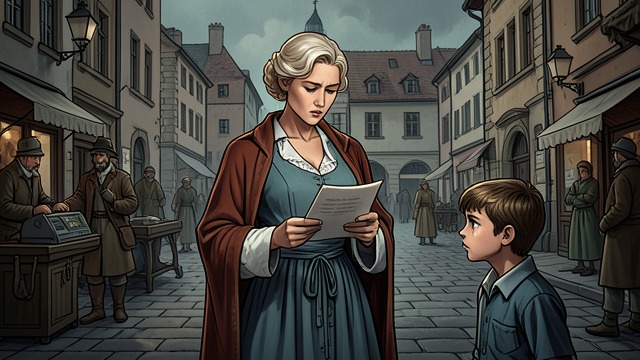
Ownership Remains Contested
A diplomatic invitation
Czechoslovak officials invite Liesel to return for a public handover of the house. Her son worries that accepting the invitation would concede the city’s legal ownership.
Liesel argues that the city already controls the building in fact, whatever the legal argument says.
The past in a new legal frame
The dispute follows decades of political change, yet the family still faces the consequences of confiscation. A new government’s invitation cannot erase the earlier loss.
Law and Memory in 1990
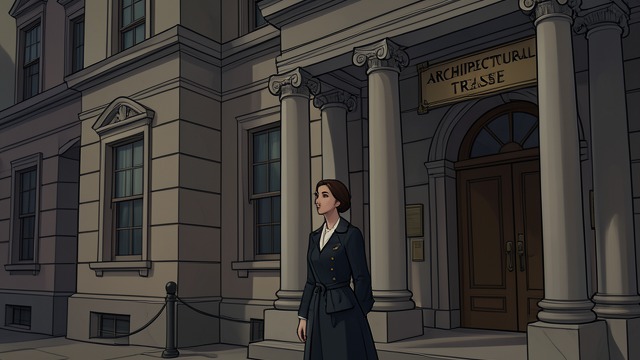
A Different Kind of Recognition
Public acknowledgment
The city invites Liesel to return and presents the house as an architectural treasure. The invitation reflects political change and a willingness to reopen relations with former exiles.
Liesel accepts without pretending that the invitation restores her old legal position.
Recognition is not restitution
The public event can acknowledge history, but it cannot return the lost years or undo the house’s changing uses. The distinction between symbolic recognition and material repair remains unresolved.
During the rise of Nazi power in Germany
After the family’s exile begins
At Bayonne in 1939
During the 1968 invitation to return
During the return after the Iron Curtain falls
