
The War’s Repeated Separations
The Glass RoomThis flow traces the novel’s repeated separations of partners, children, and communities as political violence reshapes private life.
increasing Bearing strength in each event
 decreasing
Bearing strength in each eventdecreasingBenno’s Absence
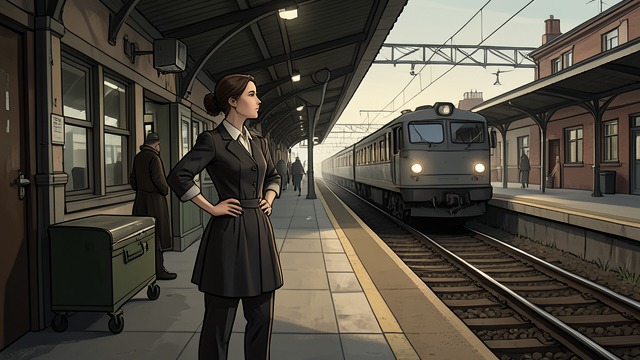
An Earlier Loss
A brother goes to war
Liesel remembers Benno leaving for military service during the First World War and dying before he can witness her later happiness. His absence shapes her sense of family and historical violence.
The memory of his death returns when she considers the ironies of illness, war, and survival.
A pattern of loss
Benno’s fate is an early example of how public conflict enters a family. His absence anticipates the larger separations that will define the next generation.
Hana Loses Oskar
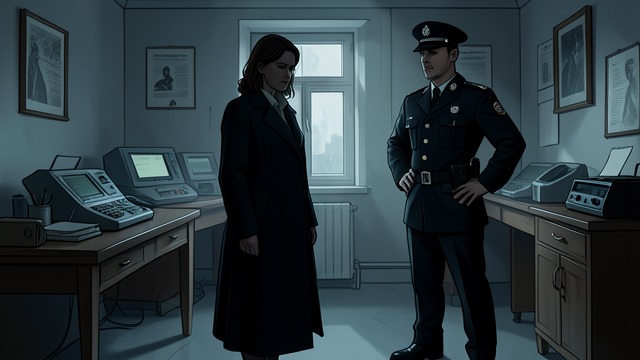
A Marriage Split by State Power
Arrest
Hana and Oskar are taken by the Gestapo. Hana never sees her husband again after the arrest and later learns that he was sent to Terezín and then Auschwitz.
The separation is imposed without explanation or a chance to say goodbye.
A missing ending
Hana’s uncertainty about Oskar’s final days becomes a permanent part of her grief. Her later accounts cannot restore the missing encounter or answer every question.
Hana Loses Světla
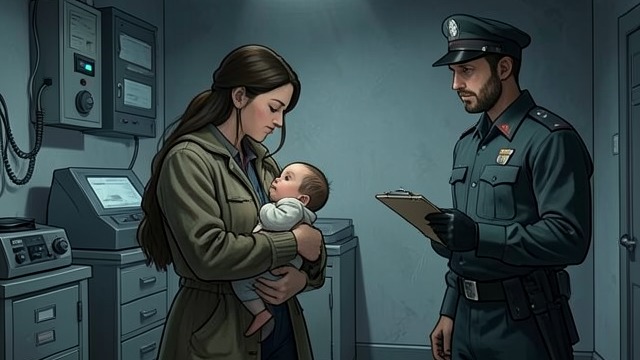
A Mother and Infant Separated
A brief time together
Hana gives birth to Světla in Ravensbrück and briefly holds her. The camp’s conditions prevent the ordinary care and protection a newborn would need.
The baby is taken away, and Hana is left with memory rather than news.
A second bereavement
The loss compounds the separation from Oskar. Hana’s survival continues, but the family life she might have had is destroyed.
Katalin and Marika Are Left Behind
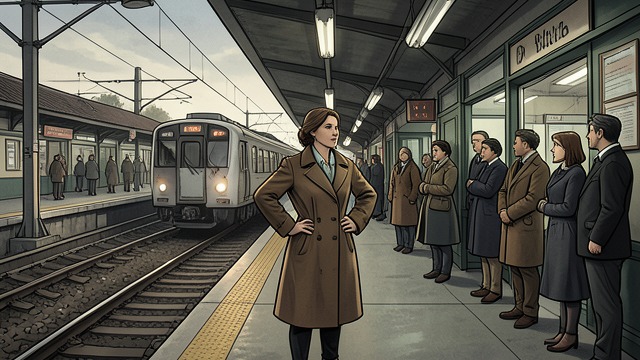
Flight Divides a Household
Detention
Officials take Katalin and Marika from the train, separating them from the family that had offered shelter. Viktor’s protest cannot change the decision.
The separation occurs in public, but its consequences remain private and enduring.
A journey without reunion
The Landauers continue toward safety while searching for them afterward. The story leaves their future unknown, refusing an easy resolution to the family’s divided flight.
A Reunion Across Decades
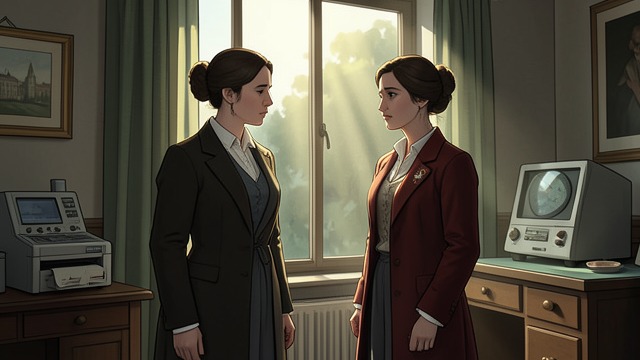
Separated Childhoods Meet Again
Recognition
Marie Delmas enters the house and discovers that its rooms belong to her childhood. Ottilie recognizes her as Marika, the child who once lived near the Landauers.
The recognition joins two histories split apart by war and migration.
Reunion without restoration
The women can meet again, but they cannot reclaim the life they shared as children. Their reunion offers connection while leaving the intervening decades visible.
Recalled during Liesel’s childhood memories
During the Nazi roundups
During her imprisonment at Ravensbrück
At Bayonne during the Landauers’ flight
In 1990 at the Landauer House
