
The Evolution of Hana’s Public and Private Self
The Glass RoomThis flow traces the contrast between Hana’s playful public persona and the grief, love, and vulnerability she reveals to trusted women.
increasing Bearing strength in each event
 decreasing
Bearing strength in each eventdecreasingThe Provocateur

A Deliberately Unrespectable Woman
Social performance
Hana uses jokes, sexual candor, and teasing to unsettle polite company. She enjoys appearing shameless and refuses to hide her appetite for life.
Her behavior gives Liesel a lively counterpoint to the conventions of bourgeois marriage.
Humor as protection
The performance also gives Hana control over how others see her. Behind it lies a more vulnerable person whose desires and fears are not always revealed by laughter.
The Lover’s Grief

Wit Gives Way to Loss
A rejected attachment
Hana grieves when Miroslav Němec chooses his marriage over their affair. She confides in Liesel and admits the intensity of her love.
Her heartbreak appears alongside her continued devotion to Oskar.
The mask returns
Hana soon jokes again, but the laughter does not erase her pain. The contrast shows how performance can coexist with genuine distress.
The Rescuer
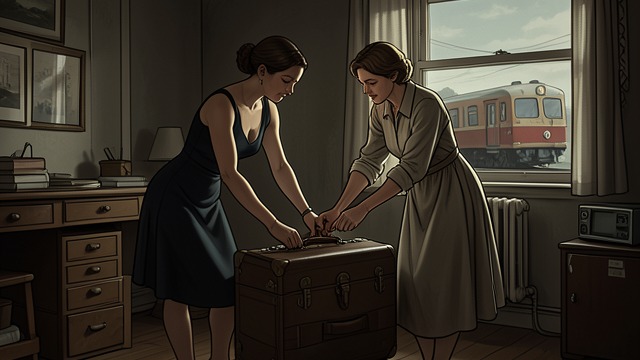
Action Beyond Talk
Helping Eva
Hana helps Eva leave Fritz Mandl by arranging clothes, transport, and a train departure. Her playful storytelling conceals the risk and care involved in the action.
She puts her own social position to use for another woman’s freedom.
A capable friend
The escape demonstrates a practical side of Hana that sits beside her provocative image. She can turn affection into decisive help.
The Survivor’s Silence

A Story Kept Private
Loss hidden
Hana survives imprisonment and the loss of Oskar and Světla, but tells few people the full story. In ordinary social life she remains witty, sharp, and difficult to pin down.
Her silence protects her from exposure but also isolates her from recognition.
A life carried forward
Hana’s survival is not a return to her old self. It is a continued life built around losses she has not yet been able to name.
Confidante to Zdenka
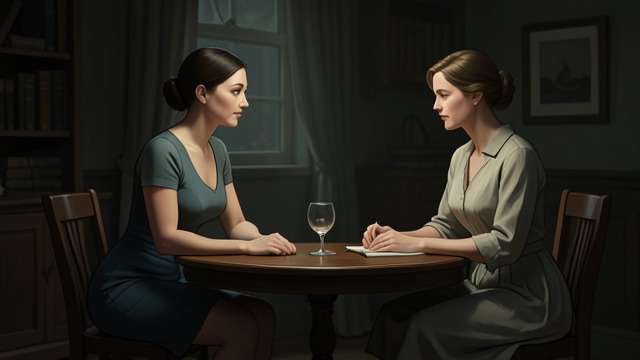
Vulnerability Shared
A new confidante
Hana becomes close to Zdenka through conversations in the former Landauer House. She shares the histories of Liesel, Oskar, and her lost child, changing from a figure of gossip into a witness to grief.
Zdenka’s listening gives Hana a relationship not organized around performance.
Love remains possible
Hana’s confession of love for Zdenka shows that survival has not extinguished her capacity for attachment. Her later life contains vulnerability and desire as well as mourning.
During her friendship with Liesel
After Miroslav Němec returns to his wife
During Eva Mandl’s escape
After the liberation of the camps
During the postwar heritage visits
