
The Lost Possibility of a Wider Family
The Glass RoomThis flow traces the household formed around the Landauers, Katalin, and the children, and how war breaks apart that chosen family.
increasing Bearing strength in each event
 decreasing
Bearing strength in each eventdecreasingA Household Takes Shape
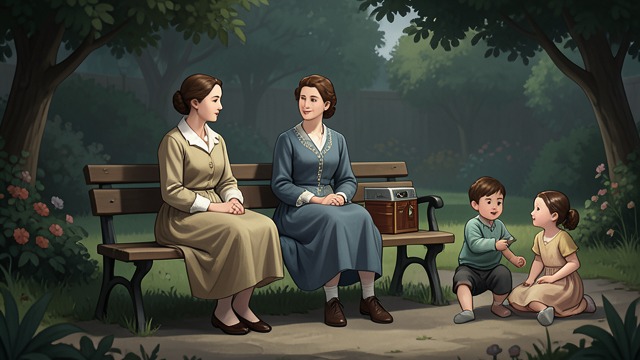
Care Creates Kinship
Shelter in the garden
Liesel invites Katalin and Marika to stay in the chata. The offer begins as practical aid, but the two women and their children soon share routines and space.
The arrangement makes the household wider than its original family unit.
A fragile belonging
Katalin remains aware that she is dependent on the Landauers. The emerging closeness must coexist with the power imbalance between host and refugee.
The Children Become Companions
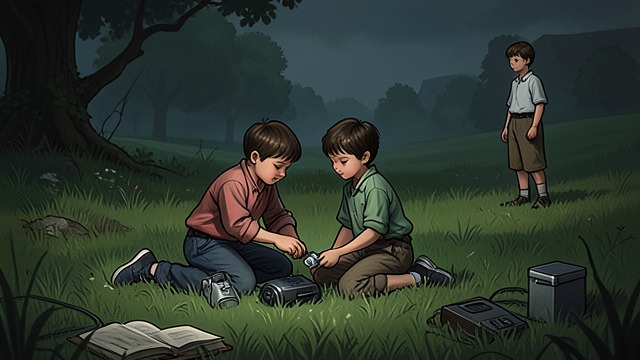
Friendship Across Circumstance
Shared play
Ottilie and Marika play together, while Martin joins their games. The children form an everyday bond that makes the refugee family part of the household rather than a distant charitable concern.
Their closeness is more immediate than the adults’ complicated explanations of status and obligation.
A wider family imagined
The children’s friendship suggests a possible future in which the households remain connected. That possibility becomes especially painful because the adults’ political circumstances are unstable.
Katalin Joins the Household
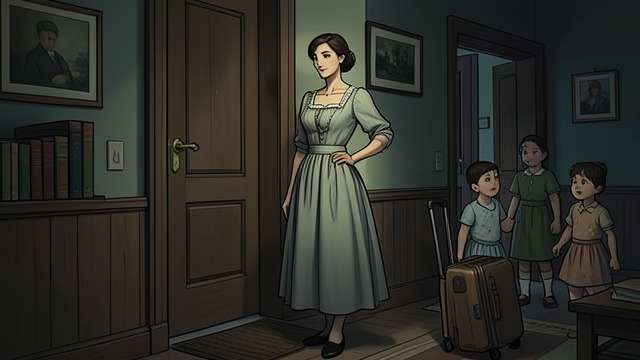
A Role Beyond Refuge
A proposal of work
Liesel considers hiring Katalin as the children’s governess, which would include her and Marika in the Landauers’ escape plans. The proposal acknowledges Katalin’s care for the children and gives her a possible route out.
Viktor struggles to respond because his feelings for Katalin complicate the practical offer.
Care with hidden tensions
The family’s closeness is real, but it is shadowed by employment, dependence, and secrecy. The household is both a refuge and a site of conflict.
The Border Breaks the Group
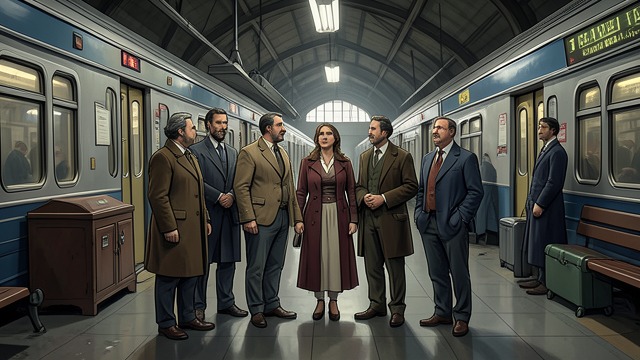
A Family Divided
Removal from the train
Officials detain Katalin and Marika while the rest of the group is allowed to continue. Viktor’s protest is met with force, and the children are left without their companions.
The separation dismantles the household at the moment it attempts to escape together.
Grief without explanation
Ottilie and Martin ask where Marika has gone, while the adults struggle to explain what happened. The children’s loss gives the political crisis an intimate face.
The Family That Might Have Been
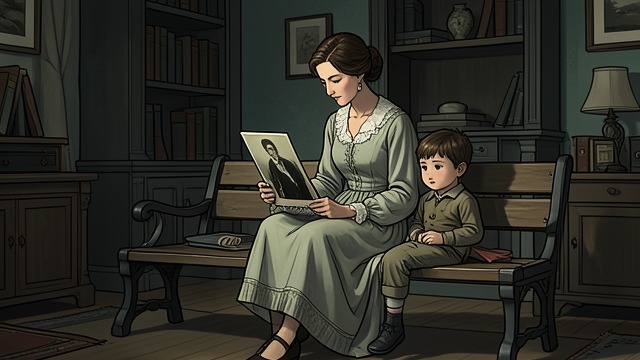
A Missing Branch of the Past
Continued absence
Liesel remembers that Katalin and Marika did not join the family in Cuba. The household’s earlier intimacy survives as an unresolved memory rather than an ongoing relationship.
The lost connection affects how Liesel understands the people who entered her life for only a time.
Reunion through memory
The later recognition between Ottilie and Marie suggests that the children’s bond outlasted separation in memory. It cannot restore the shared household, but it confirms that the relationship mattered.
After Katalin and Marika arrive in Město
During the months before the family leaves Město
After Liba announces her engagement
At Bayonne in 1939
During the later exile and the 1990 return
