
A Political History Told Through a Home
The Glass RoomThis flow uses the house as a lens on successive political orders, from interwar hope through Nazism, communism, and the post-1989 opening.
increasing Bearing strength in each event
 decreasing
Bearing strength in each eventdecreasingInterwar Optimism
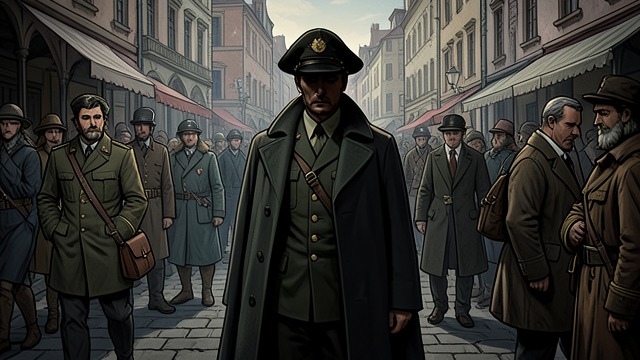
Building in a New Republic
Confidence in a new country
Viktor believes the new Czechoslovak state can create a modern, democratic identity beyond ethnic divisions. He invests in industry and commissions a house that embodies that aspiration.
The future seems open enough to design.
A private expression
The Landauer House becomes a small-scale image of public hope. It cannot contain the country’s contradictions, but it gives them a visible form.
Democracy Under Threat
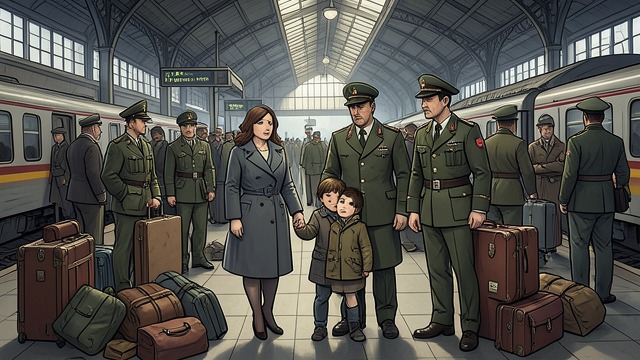
Borders Lose Their Authority
Expansion and fear
The annexation of Austria and the demands over the Sudetenland show that borders and treaties cannot guarantee peace. Refugees arrive, and Viktor urges the family to prepare to leave.
Liesel continues to hope that their home and the political order can endure.
A country weakened
The dismemberment of Czechoslovakia demonstrates how international decisions reshape ordinary lives. The family’s private dispute about leaving is embedded in a national crisis.
Nazi Occupation
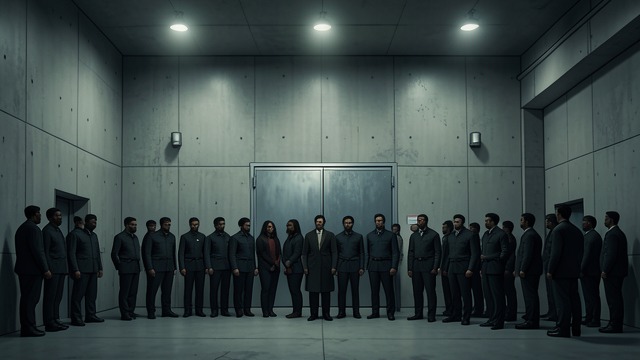
The House Under Nazi Control
Flight and seizure
The Landauers leave Město as German forces occupy the country. Their house is confiscated and converted into a biometric centre.
The change joins private loss to a wider system of racial persecution.
The institution inside
Researchers measure and classify subjects in rooms once designed for family life. The political regime is made visible through its use of domestic space.
Postwar Reuse
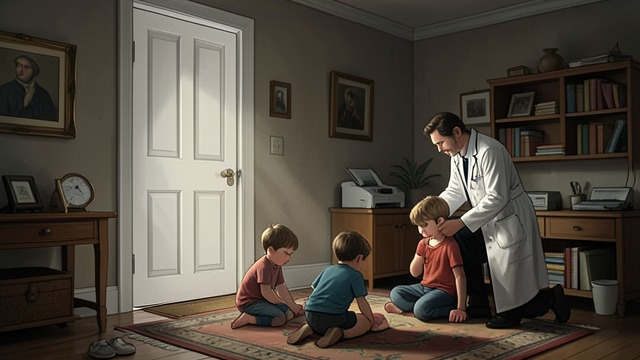
A New System Occupies the Building
Wartime transfer
Město is captured by Soviet troops, and Laník survives the changing military authorities. After the war, the house moves into a new public and institutional life.
The building is used for children’s physiotherapy rather than returned to its former family.
Political continuity and change
The new regime claims to serve the public, but the former owners remain in exile. The house’s use changes while questions of ownership and memory persist.
The Brief Opening
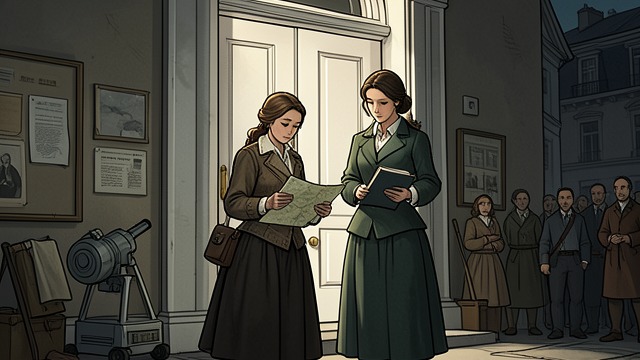
Memory Reenters Public Life
Reform and reversal
The Prague Spring makes renewed attention to architecture and suppressed histories possible. Soviet intervention ends that opening, and normalization narrows public debate again.
The house remains a contested space through these changes.
Return after the Iron Curtain
In 1990, Liesel and Ottilie visit the house, where memory meets a public heritage narrative. The political opening enables recognition, but does not undo decades of exile and loss.
At the beginning of the Landauer House project
From Anschluss through the Munich crisis
From March 1939 into the war
From the Soviet capture through communist rule
From the 1968 reform period through 1990
