
Kata and Marika’s Precarious Journey
The Glass RoomThis flow traces Kata’s effort to provide for her daughter and the ways refugee displacement repeatedly strips their lives of safety.
increasing Bearing strength in each event
 decreasing
Bearing strength in each eventdecreasingSurvival in Vienna
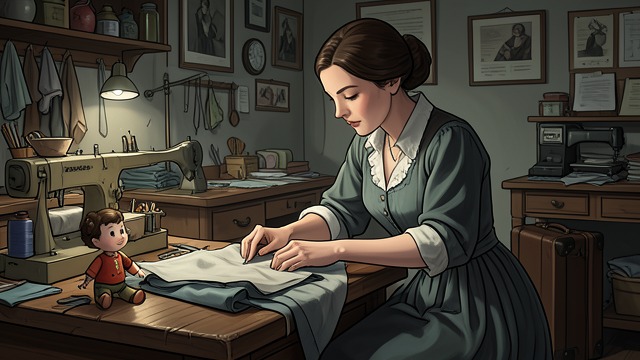
A Mother Makes Do
Poverty and work
Kata works in fashion trades and sometimes accepts money from men to pay rent and support Marika. She treats the arrangement as an economic necessity, not a source of shame.
Her practical wit helps her survive, but does not give her the security of a home or reliable income.
A guarded life
Kata keeps her private circumstances from Viktor, fearing that disclosure of her daughter might end their connection. Her guardedness reflects both self-protection and the unequal terms of their relationship.
Leaving Vienna

Flight with a Child
A hurried escape
As violence reaches her workplace and neighborhood, Kata takes Marika from school and gathers what they can carry. They leave Vienna for the border amid panic and confusion.
The decision is made in an instant, but its consequences will shape every later choice they face.
Refugee status
Kata arrives without secure papers or a dependable home. Her skills and resilience help her navigate displacement, but she remains vulnerable to officials and charity systems.
Shelter in the Chata
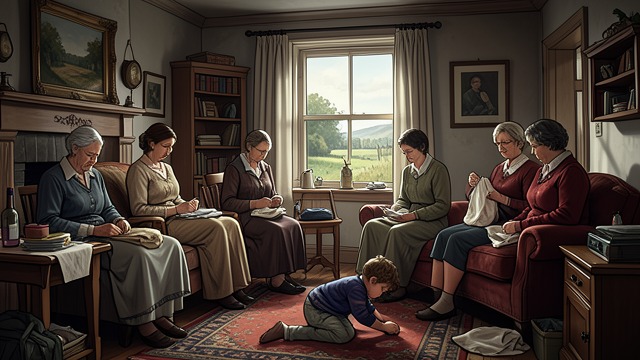
A Temporary Refuge
An unexpected reunion
Kata and Marika arrive among refugees in Město, where Viktor recognizes Kata and Liesel offers them shelter in the family’s chata. The offer gives mother and daughter a private place to begin again.
Kata understands that acceptance carries emotional risks as well as practical relief.
Dependence and dignity
Liesel finds Kata sewing work and later proposes her as the children’s governess. Kata accepts help while remaining alert to how dependence can leave her with little bargaining power.
The Bayonne Detention
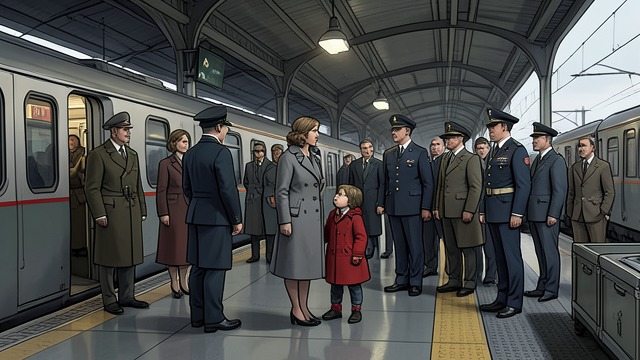
The Paper Barrier
Documents questioned
At Bayonne, German officials separate Katalin and Marika from the Landauer party despite their travel papers. Bureaucratic procedure becomes a mechanism of sudden, personal separation.
Viktor protests, but the officials remove mother and child while the train prepares to leave.
The cost of escape
Liesel and Viktor must continue without them. Their departure is not a clean rescue but a rupture that leaves the two women’s fate uncertain.
The Unanswered Fate
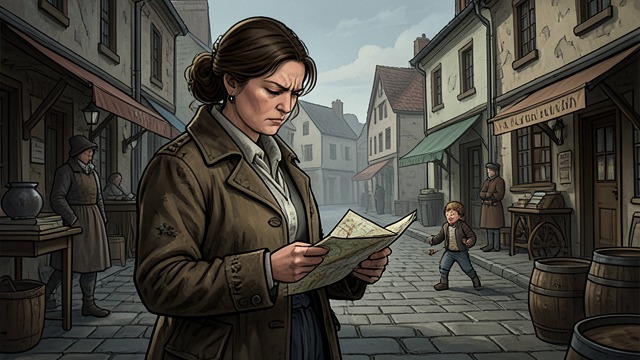
Lost in the War
Searching from exile
Viktor later asks offices and consulates to find Katalin and Marika, but the search produces no reliable answer. War has scattered them into a landscape where records and communications fail.
The family’s uncertainty persists beside their safer life abroad.
A deliberate silence
When Liesel returns to Město, she recalls that Katalin and Marika did not come with them to Cuba. She tells Hana that separation may have been better, but the question of their fate remains unresolved.
Before the family meets Kata in Město
After the Anschluss and anti-Jewish violence
After the refugee meeting in Město
During the family’s 1939 journey through France
After the train leaves Bayonne
