
The Lasting Force of Ordinary Care
The Glass RoomThis flow traces small acts of care that persist amid political violence, bodily illness, and the instability of exile.
increasing Bearing strength in each event
 decreasing
Bearing strength in each eventdecreasingHana Cares for Liesel
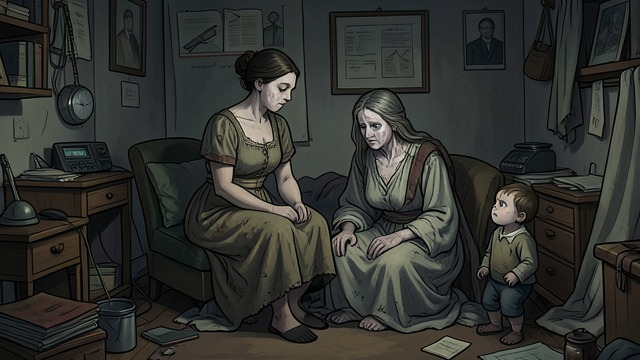
Friendship in a Crisis
Practical devotion
Hana stays with Liesel through a dangerous postpartum illness and helps care for her when the doctors and family fear the worst. Her loyalty becomes visible through sustained presence rather than witty conversation.
Viktor later admits that he does not know how he would have managed without her.
Friendship becomes kinship
The crisis deepens Hana’s place in the family. Her care is not a claim of ownership, but a commitment that survives the complications of desire and jealousy.
Oskar’s Patience with Hana

Care Without Control
A husband’s generosity
Oskar tells Hana that he will let her go if another man is the one she truly wants. His response surprises her because he does not try to control her through threats or punishment.
He remains willing to be there when her other relationships fail.
A bond she understands later
Hana’s grief after his arrest and deportation reveals the depth of her attachment. His patience becomes part of the love she remembers most clearly.
Liesel Cares for Marika
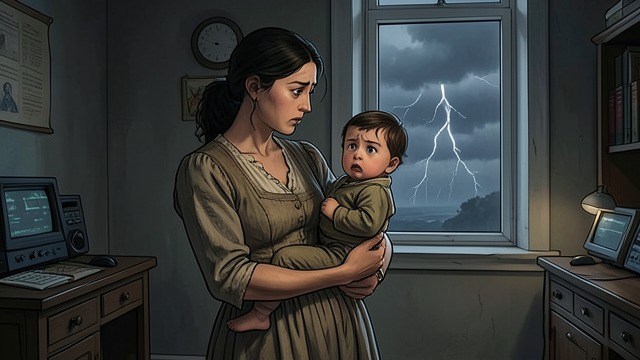
A Caregiver’s Promise
Protecting a child
When officials take Katalin away, Liesel tells Marika that she is with the family and that they will look after her. Her words attempt to protect the child from panic during a violent separation.
The promise is sincere, though the situation soon becomes beyond her control.
The limit of care
The officials insist that Marika must go with her mother. Liesel’s concern cannot overcome the power of the border authorities, showing the difference between care and control.
Zdenka Cares for the Children
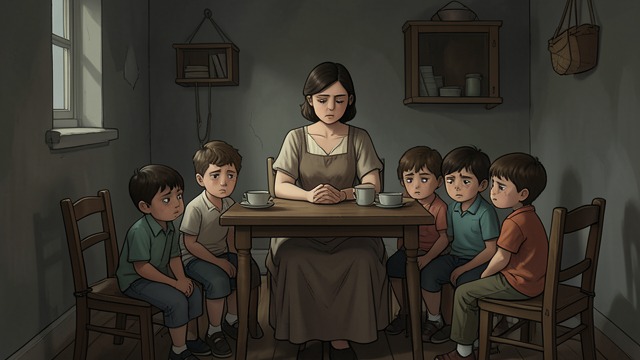
Encouragement as Treatment
Patient attention
Zdenka guides children through exercises and responds to their fear, fatigue, and progress. She invests emotionally in their efforts, treating each achievement as significant.
Her attention gives the children a sense that their attempts matter.
A different model of care
Tomáš worries that such involvement may harm her, but Zdenka cannot separate treatment from compassion. The novel suggests that care depends on seeing a person, not merely a diagnosis.
Zdenka Comforts Hana
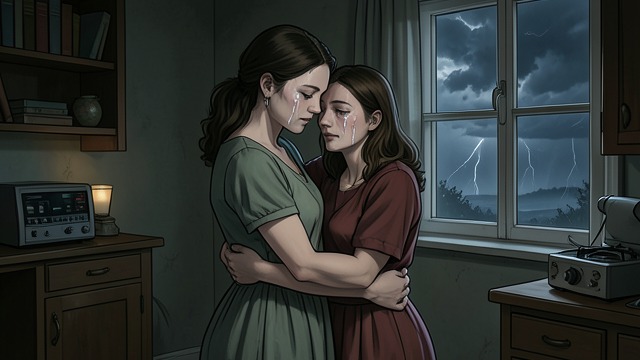
Witnessing Pain
A story received
Hana tells Zdenka about giving birth to and losing her daughter. Zdenka responds with shock and grief but does not try to minimize what happened.
She goes to Hana and holds her, offering physical presence where language fails.
Care becomes reciprocal
The relationship moves beyond flirtation into mutual trust. Zdenka’s comfort acknowledges the reality of Hana’s loss without claiming to repair it.
After Martin’s difficult birth
During their marriage before the occupation
During the journey to Bayonne
During her physiotherapy work
After Hana tells her about Světla
