
The Changing Meaning of the Onyx Wall
The Glass RoomThis flow traces the onyx partition from contested luxury to luminous centerpiece, wartime covering, and a surviving witness to changing lives.
increasing Bearing strength in each event
 decreasing
Bearing strength in each eventdecreasingA Contested Expense
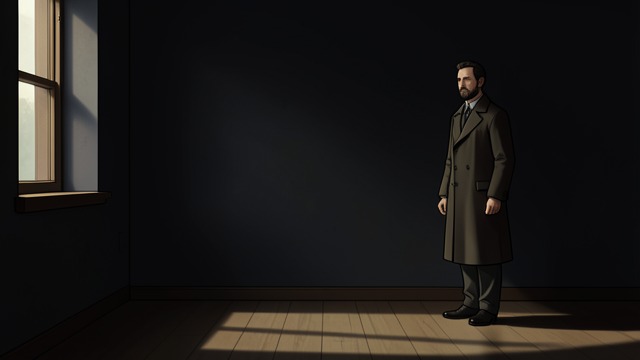
The Stone Becomes an Argument
Cost and extravagance
Rainer von Abt proposes an onyx wall for the living space. Viktor calculates its cost and sees a private house consuming the price of another building.
Liesel sees the stone’s beauty and connects its name to a fingernail of Venus.
A decision with private meaning
Viktor ultimately agrees after his encounter with Kata. The purchase joins architectural ambition to a personal memory he keeps from Liesel.
Sunlight in the Stone
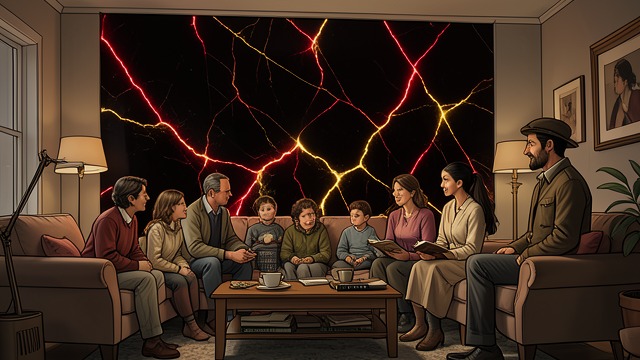
A Living Surface
Color and light
Sunlight enters the onyx’s veins and makes the partition glow red and gold. The stone seems to hold light rather than merely reflect it.
Hana recognizes passion in the material’s unexpected warmth.
The room’s center
The wall divides space while giving the living room a focus. It becomes a visual anchor for family gatherings and later visitors.
The Wall During the Laboratory Years
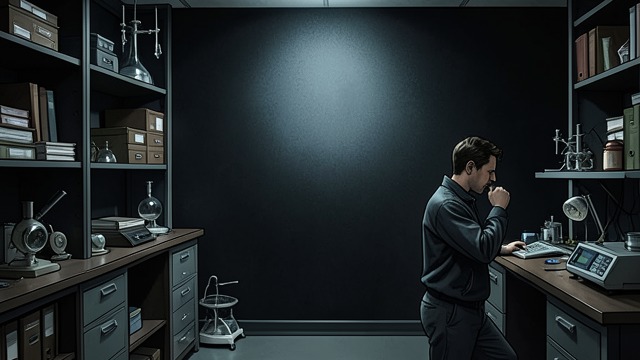
A Partition in a New Institution
The room is divided
Curtains and equipment reshape the Glass Room for measurements and photographs. The onyx wall remains, but it is surrounded by instruments and files associated with racial classification.
The decorative feature becomes part of an environment that exposes human subjects to judgment.
Meaning reverses
The wall’s beauty cannot soften the use of the room. Its presence makes the conversion more disturbing, because the same space now serves a violent institution.
Laník Covers the Wall
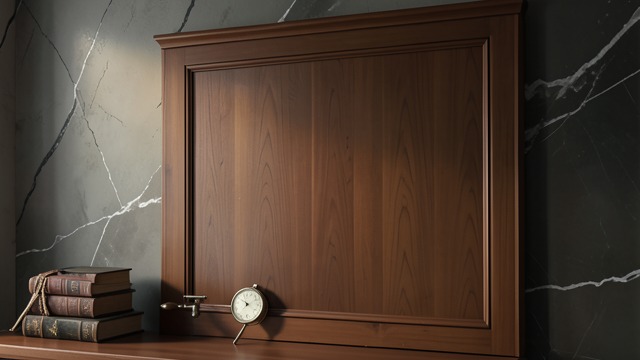
The Stone Is Hidden
A practical decision
Before the Landauers leave, Viktor instructs Laník to board up the onyx wall. Laník later follows the instruction, partly to protect a valuable object from wartime damage and theft.
The partition disappears behind wood and plaster.
A preserved secret
The act protects the wall while making it invisible to the people who occupy the house. Its survival depends on concealment rather than public recognition.
The Wall Returns to View
The Material Survives
Rediscovery
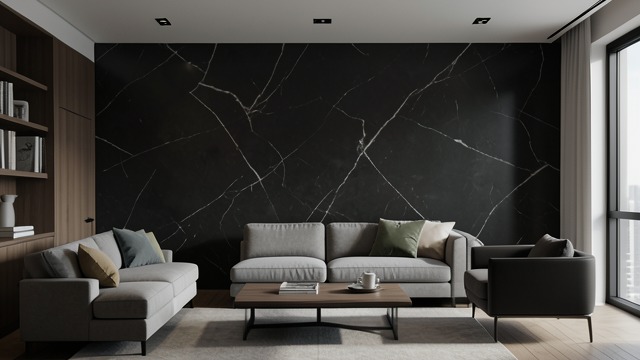
The onyx remains part of the building’s physical history as the house passes through institutional uses. When the home is presented as heritage, the wall again becomes a feature visitors can see and interpret.
Its material surface connects modern design to the private memories of its first occupants.
An incomplete restoration
Showing the stone cannot restore the relationships that once surrounded it. The wall survives more completely than the household, becoming both architectural treasure and witness to absence.
During the house’s construction
After the house is completed
During Nazi use of the house
During the later wartime years
During the postwar heritage restoration
