
A Family’s Changing Relationship to Faith
The Glass RoomThis flow traces how religious ritual, inherited identity, and political classification intersect in a family that often considers itself secular.
increasing Bearing strength in each event
 decreasing
Bearing strength in each eventdecreasingA Wedding for Family
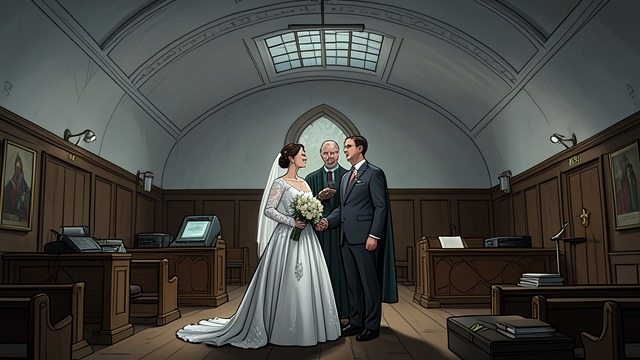
Ritual and Belief
A church wedding
Viktor and Liesel marry in a church partly to satisfy Liesel’s mother. Viktor questions religious ritual while agreeing to its place in family life.
The ceremony shows that inherited customs can shape people who do not hold strong religious belief.
Identity remains complicated
Viktor’s Jewish background and Liesel’s German family culture coexist within the marriage. The couple’s personal beliefs do not prevent others from assigning them fixed identities.
Ottilie’s Baptism
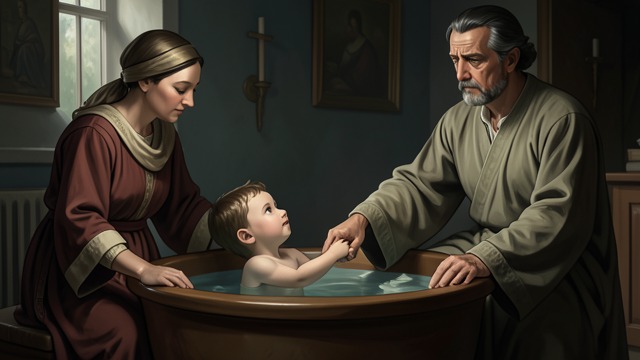
Ritual for a Child
Liesel’s mother’s request
Viktor resists baptizing Ottilie, calling the ceremony superstition. Liesel agrees partly to satisfy her mother and asks Hana to be the godmother.
The decision reveals how children become the focus of competing family traditions.
A secular father’s discomfort
Viktor sees the ritual through memories of religious practice he no longer believes in. His disagreement is not hostility to his daughter, but unease about inherited obligations.
Jewish Identity Becomes Inescapable
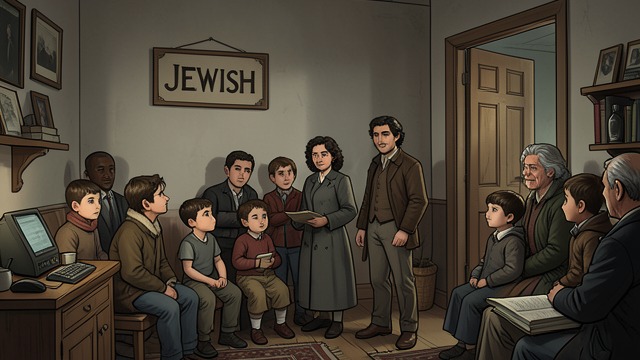
Belief Cannot Cancel Classification
A political category
Viktor accepts that his Jewish identity matters because others will use it to define his rights and safety. His lack of religious observance cannot protect his family from racial law.
The state’s definition overrides personal conviction.
The children are marked too
Ottilie and Martin are treated as mixed ancestry under Nazi classifications. Their family history becomes a legal vulnerability regardless of how they are raised.
Hanukkah and Christmas
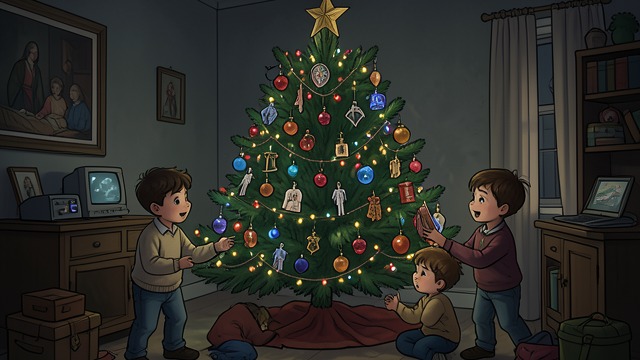
Different Rituals in One Home
A family tree
The Landauer household decorates a Christmas tree, though Viktor grew up celebrating Hanukkah. Marika experiences the tree as a new tradition, while the children argue about how to decorate it.
The scene brings multiple family histories into one domestic celebration.
Ordinary life under threat
The warmth of the gathering is shadowed by the coming occupation and the possibility of exile. Ritual offers continuity, but cannot stop political events.
A Shared Humanity Questioned

Faith, Memory, and Human Worth
A secular household’s fate
The Landauers’ lack of religious observance never protects them from antisemitism. Hana’s survival and Oskar’s death likewise cannot be explained by religious virtue or lack of it.
The novel refuses to make faith a simple safeguard against violence.
A moral legacy
The characters’ care for one another becomes more significant than any single ritual. The return places their lives before a public audience and asks what values endure after political systems fail.
At the beginning of Liesel and Viktor’s marriage
After Ottilie’s birth
As Germany introduces racial laws
During the family’s last Christmas in Město
During the 1990 return to the house
