Switzerland
The Glass RoomSwitzerland becomes the Landauer family’s refuge from the advancing Nazi threat, but not a simple escape from history. Viktor plans for the family to reach it before invasion, and they do; there, however, they live through war as exiles, dependent on borders, visas, and provisional accommodation. The country offers distance from immediate danger without restoring the home they have lost or guaranteeing that those travelling with them will remain safe.
A refuge planned against invasion
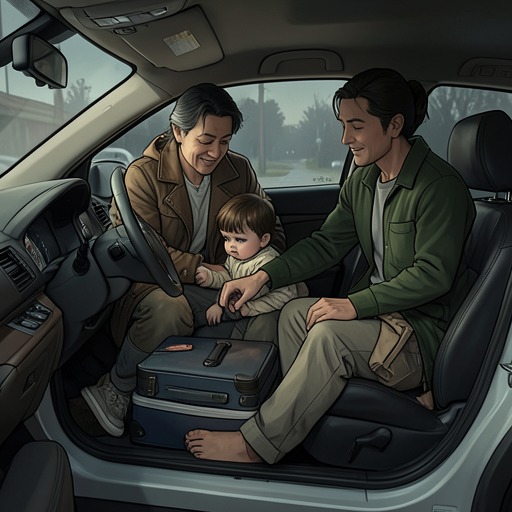
Viktor’s decision to seek safety in Switzerland grows out of his conviction that Město cannot remain secure. As he tells Liesel, the Nazis are already close, Austria has been absorbed, and the German-controlled border territories lie between them and the family’s “nice safe house.” He does not want them to flee in panic at the last moment, like people escaping Austria with their belongings hastily stuffed into a suitcase. His urgency is protective, but it is also practical: he wants to decide where the family will go before events decide for them.
That preparation includes moving money. Viktor tells Liesel he has been transferring funds to Switzerland, presenting the move as advance planning rather than a response to a sudden crisis. His preparations are not shared with her from the outset; he only tells her when he thinks the moment is right. Switzerland therefore first enters the family’s story as a destination made possible by Viktor’s foresight and his control of financial decisions.
The plans also encompass people beyond Viktor, Liesel, and their children. When the family’s nanny is leaving to marry, Liesel proposes that Katalin take her place caring for the children. Viktor invites Katalin to come to Switzerland with Marika, and insists that the idea was Liesel’s alone. The invitation offers mother and daughter a route out of danger, but also places their prospects within the Landauers’ family arrangements and resources.
Departure and the border
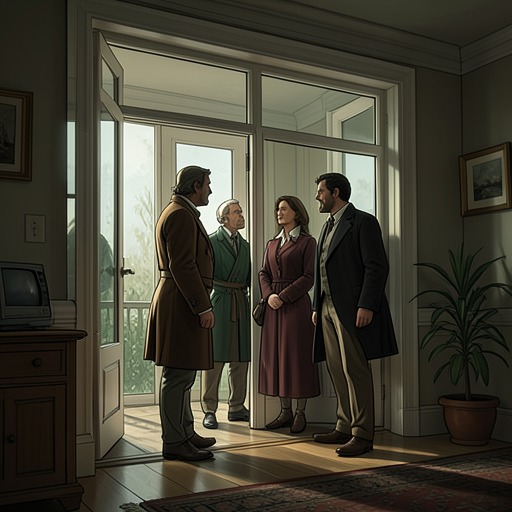
For Liesel, leaving is a wrenching choice, not an uncomplicated affirmation of Viktor’s plans. Asked how she can bear to abandon her family, friends, house, and the people she loves, she answers that Viktor has been predicting the danger for months and that, had he prevailed, they would already be safe in Switzerland. When challenged about what would happen if the whole country followed their example, she points to the difference shaping their decision: the whole country is not Jewish. The family’s flight is thus bound to a specific exposure to persecution, not merely a general fear of war.
At the airport, departure becomes uncertain until the Swissair flight to Zurich is announced. The sight of the Swiss aircraft beside German planes marked with the Hakenkreuz sets two national symbols against each other; Liesel still hopes, in a suppressed part of herself, that the flight might be refused and the family forced back to the familiar safety of the Glass Room. Viktor, by contrast, acts as soon as the departure is confirmed, telling Laník that he can go and urging the others to move before permission changes. Katalin and Marika’s Nansen passports are checked and returned, while Hana and Oskar remain behind. At the doorway, Hana tells the guard that they are only friends, “the people left behind.” Reaching Switzerland separates the Landauers from the people who cannot accompany them.
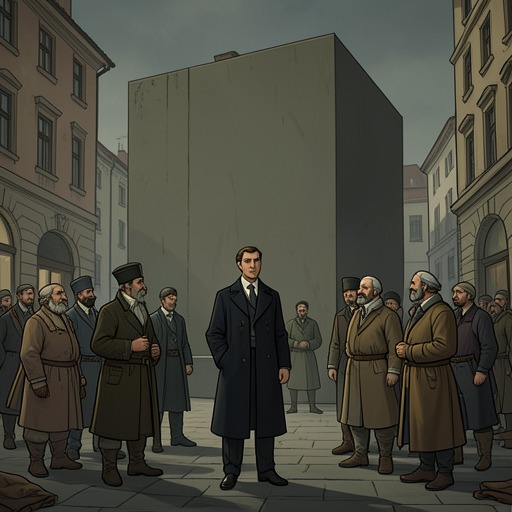
An earlier journey through Vienna had already given Viktor a taste of how a border can alter ordinary movement. He remarks on the irony that a new border control has appeared where none existed before, even as the world claims to be moving forward. That observation becomes more consequential as the family’s flight makes passports and permissions conditions of passage, and as people travelling with them discover that having documents does not necessarily settle their fate.
Switzerland in wartime
In Switzerland, distance from the fighting does not mean distance from its consequences. The country is described as an island amid the floodwaters of war: news on the wireless and in newspapers carries reports of marching armies, deaths, refugees, and the fall of Paris. Its apparent safety is real but bounded. The family can remain there while the surrounding world collapses, yet they cannot make that refuge into a secure home or stop events elsewhere from reaching them through news and correspondence.
The passage of time makes that provisional existence tangible. During their third summer in exile, wicker chairs and a red, white, and blue umbrella stand beside the lake. The water changes from morning reflections to metallic blue, evening violet, and night-black; rain turns it to beaten silver. Time here feels heavy, measured by transformations on the lake rather than the quick, nimble passage associated with home. Switzerland is neither paradise nor hell, but a limbo in which daily life continues without the certainty of belonging.
The Landauers first stay in Zurich, but even that period of relative stasis ends. Their next address is Le Grand Hôtel Vevey, on Lake Geneva, where a grand hotel replaces a house. The children are fretful at leaving new friends, while the adults are hopeful; the landscape offers another lake view, this one darker and larger, with the French shore and forested mountains visible across the water. The view does not make the far shore accessible. Their planned route runs by train from Geneva across France to Bilbao, where the transatlantic liners depart. Switzerland is a staging ground for another departure, not the endpoint of their displacement.
Passage is not guaranteed
The family’s later journey exposes the gap between possessing papers and having secure passage. At a railway inspection, a German official in Feldgendarmerie uniform demands documents and tickets. Viktor lays out passports, French transit visas, and a Spanish visa in neat piles, identifying the travellers as his family, their nanny, and her daughter. The documents seem orderly, but the encounter remains a test whose outcome is uncertain.
Katalin and Marika are taken away despite Viktor’s protest that Katalin has a Nansen refugee passport valid for travel through France and Spain. An official warns Viktor to return to the train or risk detention. The guards separate mother and daughter, and Liesel pulls Marika close, promising that the child is with them and that they will look after her. In that moment Switzerland’s earlier promise of refuge meets the violence of transit: papers that enabled escape do not protect a refugee from an official’s immediate decision, and the family’s own safety is entangled with the danger facing those they have brought along.
Switzerland’s narrative significance lies in this tension between sanctuary and suspension. It shelters the Landauers from the immediate advance that Viktor feared, yet their life there remains marked by exile, surveillance of correspondence, and onward movement. The country gives them time, but not a settled homecoming; it is an island surrounded by disaster, and a temporary shore from which the family must continue travelling.