lítost
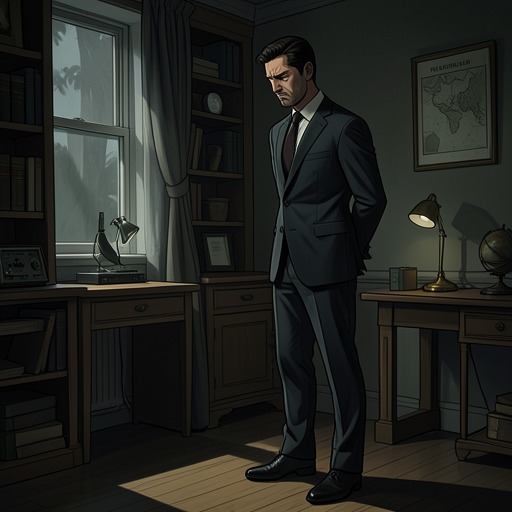
The Glass RoomLítost is the Czech word that Viktor Landauer reaches for when elation gives way to remorse on the train home. In the novel, it names more than regret over his desire for another woman: it gathers the sorrow of irreversible choices and of a life whose loves cannot be rearranged at will.
Meaning in the Scene
As Viktor descends the stairs after leaving, his thoughts turn both to what might have been and to what might still be. The possibility of a future has not vanished, but it does not console him. On the journey home, elation falls away and a deep, unfocused remorse takes its place. The word lítost gives that diffuse feeling a name.
Translation and Emotional Range
Viktor knows a Czech word for the feeling but cannot translate it into German with exactness. The narrated explanation expands it into rue and regret for an entire universe of possibilities, the irrevocability of one’s life, and the unbearable sorrow of existence. Lítost is therefore not simply guilt about a particular act: it includes grief for what cannot be changed.
Desire and Irreversibility
The feeling is sharpened by the contrast between Viktor’s wife and the woman who has drawn his passion. He recognizes that the focused light of love and hunger has fallen not on his wife’s figure but on the body and soul of a woman the narration describes as half-educated and part-time. That judgment does not undo his desire or restore what his choices have displaced. Lítost holds together the intensity of passion and the painful recognition that life cannot be revised after the fact.
Narrative Significance
The passage makes the word an interpretive hinge between an imagined future and the weight of the past. Viktor’s remorse is specific to his divided desire, yet the account widens it into sorrow for existence itself. By leaving the term untranslated, the narration preserves the sense that no single German equivalent can contain the feeling: lítost marks the distance between a lived choice and the many lives that choice has closed off.