
Baby Kochamma’s Calculated Survival
The God of Small ThingsThis character-destiny thread traces Baby Kochamma’s movement from romantic disappointment to the manipulation that secures her safety at others’ expense.
increasing Bearing strength in each event
 decreasing
Bearing strength in each eventdecreasingThe Unchosen Life
The Unchosen Life
Love Without Return
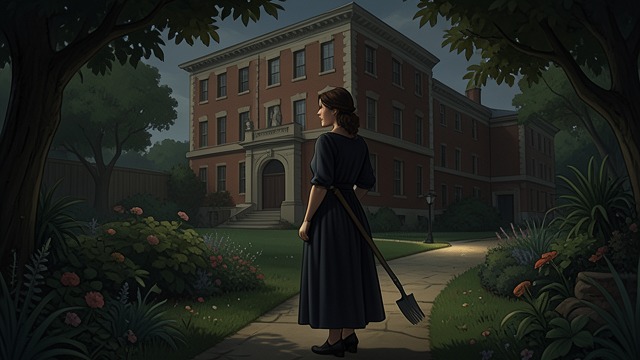
Baby Kochamma falls in love with Father Mulligan but cannot make him her partner. Her decision to enter a convent fails to bring the closeness she seeks.
A Narrowed Future
She returns home and takes up ornamental gardening. Disappointment hardens into a private grievance against those who appear to challenge the fate she accepted.
Fear of Dispossession
Fear of Dispossession
Guarding Her Place
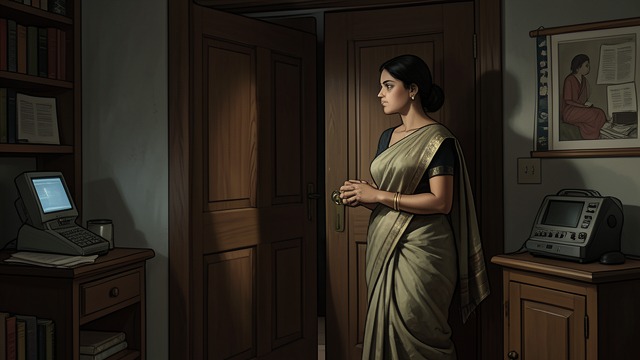
Baby Kochamma regards the twins and Ammu as people living on sufferance in the family home. Their independence threatens the order that protects her.
A Defensive World
Her old fears of social change and political upheaval grow into guarded habits. She values security and control more than solidarity.
Humiliation at the March
Humiliation at the March
Public Exposure
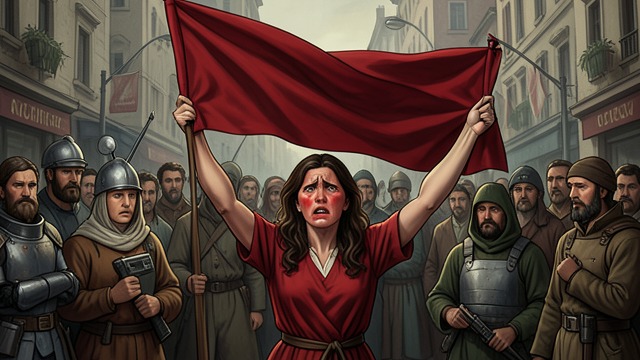
Marchers force Baby Kochamma to hold a red flag and repeat a slogan. Her fear and embarrassment become a personal grievance.
A Target Is Chosen
She transfers her anger onto Velutha, whom she associates with the march. The humiliation prepares her to interpret later events in the most damaging way for him.
A False Accusation
A False Accusation
A Convenient Story
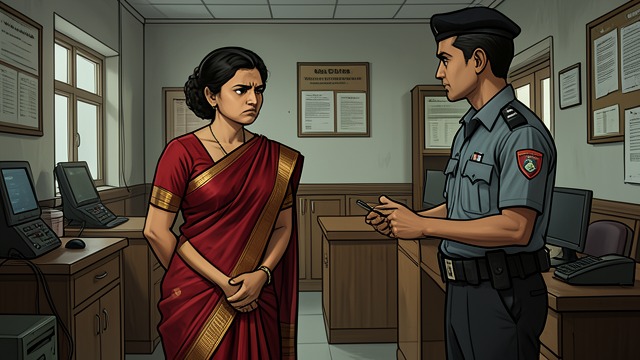
Baby Kochamma tells the police that Velutha tried to assault Ammu’s niece. She reframes their consensual relationship as a threat to protect the family’s reputation.
Political Calculation
She secures cooperation from the authorities and withholds the truth from the Communist Party. Her actions turn private prejudice into lethal institutional power.
Old Age Behind Locked Doors
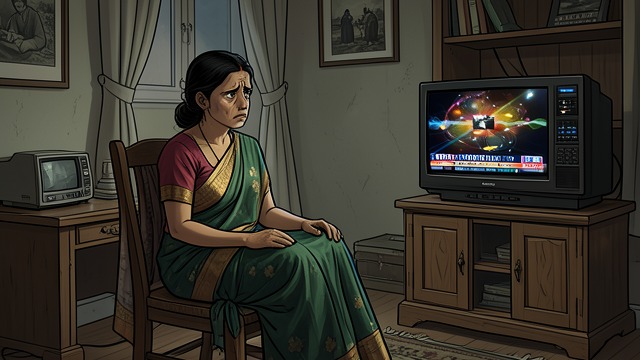
Old Age Behind Locked Doors
A Reduced Household
Baby Kochamma remains in Ayemenem House with Kochu Maria, surrounded by possessions and television. The relatives whose fate she shaped are gone or distant.
The Past Still Present
She fears what Rahel and Estha remember, though she maintains her own account of events. Her survival offers neither reconciliation nor release from the story she helped create.
Baby Kochamma’s youth
In the years after she returns to Ayemenem
December 1969, at the railway crossing
The morning after the children disappear
Twenty-three years after the family crisis
