
Labor Politics and Caste Contradiction
The God of Small ThingsThis conflict thread traces the collision between Chacko’s Marxist self-image, workers’ demands, caste prejudice, and Comrade K. N. M. Pillai’s political opportunism.
increasing Bearing strength in each event
 decreasing
Bearing strength in each eventdecreasingA Party Movement in Kerala
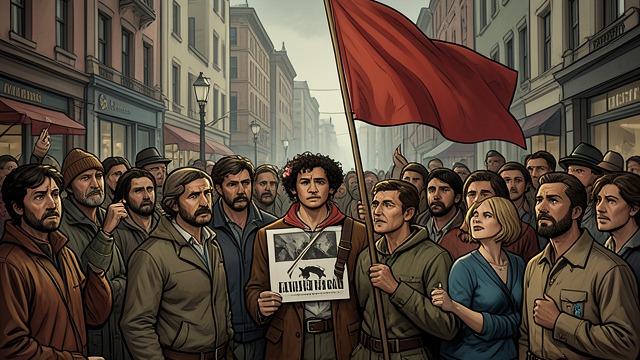
A Party Movement in Kerala
Electoral Ambition
Communist politics becomes a major force in Kerala, promising reform through organized political action. Chacko admires its leaders and its language of class struggle.
A Complicated Revolution
The movement operates within a society still divided by caste and religion. Its political reach does not automatically dismantle the social relations on which local life depends.
The March at the Crossing

The March at the Crossing
Workers in Public
A labor procession demands better wages and respect for Untouchable workers. The march passes the family’s Plymouth at a railway crossing.
Politics in the Car
Chacko identifies as a Marxist but closes the window and avoids joining the workers. The scene exposes the distance between his convictions and his position as employer.
The Factory’s Wage Dispute
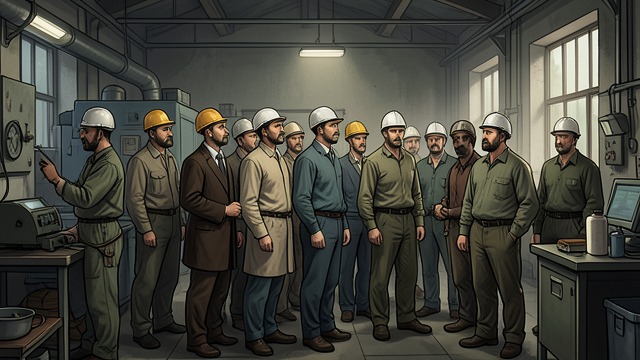
The Factory’s Wage Dispute
Workers Seek More
The factory workers consider demanding improved wages and benefits. Chacko has paid below the trade-union minimum while believing his intentions will earn their trust.
Authority Is Contested
The workers’ grievances expose a conflict between ownership and labor. Chacko’s paternal politics cannot replace wages, rights, or a genuine transfer of power.
Pillai’s Political Maneuver
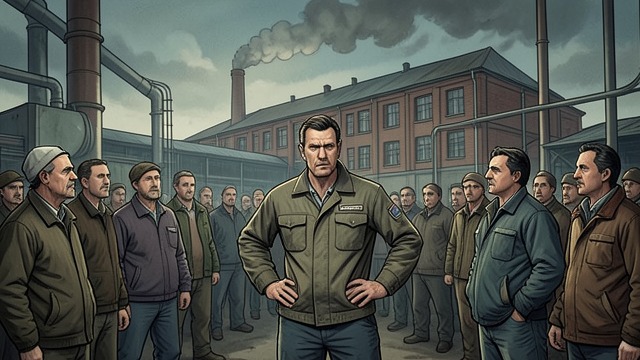
Pillai’s Political Maneuver
Organizing the Workers
Comrade K. N. M. Pillai urges the workers to demand benefits and build union strength. He sees the factory as a route to political advancement.
Caste Is Left Untouched
Pillai acknowledges caste prejudice but does not challenge the workers’ resentment of Velutha. Political calculation overrides solidarity with the most vulnerable worker.
Revolution Without Protection
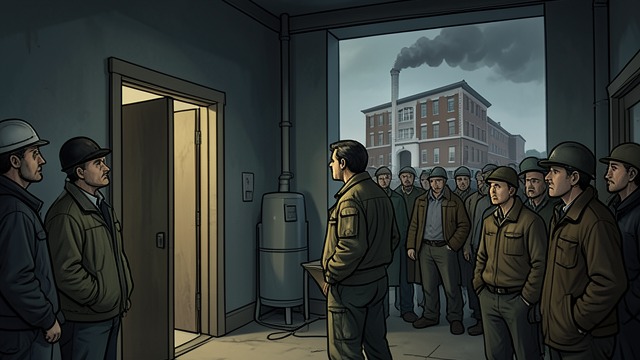
Revolution Without Protection
A Worker Asks for Help
Velutha comes to Comrade K. N. M. Pillai after the affair is exposed and his job is threatened. He expects the party to protect one of its members.
Discipline Defeats Solidarity
Pillai refuses to intervene, describing the affair as private indiscipline. His choice leaves Velutha alone and reveals the limits of the party’s commitment to justice.
From the 1957 election through the late 1960s
December 1969, on the journey to Cochin
In the weeks before Sophie Mol’s arrival
The day Sophie Mol arrives
The night Velutha seeks help from Pillai
