Heart of Darkness
The God of Small ThingsHeart of Darkness is the tourism venue where Kathakali performers sell the stories their bodies can tell. The place makes their art a marketable regional flavor: they dance for tourists who mock them, collect their fee, and then return to the Ayemenem Temple to ask pardon of the gods. The contrast links commercial performance to a more private, devotional practice.
A Venue Made for Tourism
In despair, one performer turns to tourism and enters the market with the only thing he owns: the stories his body can tell. He becomes a Regional Flavor, a phrase that marks how a living tradition is converted into a consumable attraction. Heart of Darkness is not merely a stage; it is the setting where economic necessity places the performers before an audience that treats their work as exotic entertainment.
Performance and Humiliation
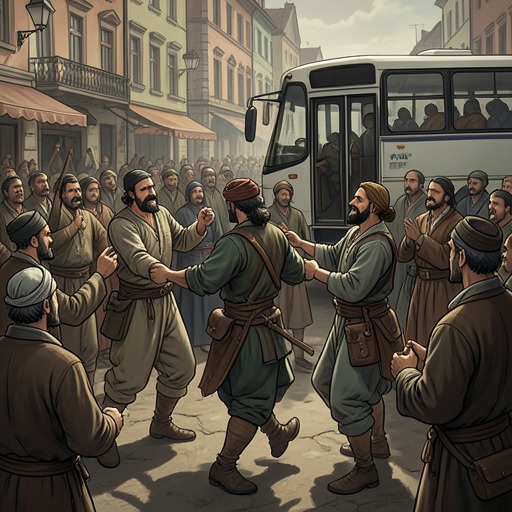
The tourists mock the dancers with their lolling nakedness and imported attention spans. The performer checks his rage and dances for them anyway, then collects his fee. The sequence makes the transaction plain: the performance brings payment, but requires the dancer to contain his anger in the face of contempt. Afterwards he gets drunk or smokes a joint, the local grass making him laugh; the release follows the paid spectacle rather than erasing its indignity.
The Temple and the Second Performance
After dancing for tourists, the performer and the others with him stop at the Ayemenem Temple and dance to ask pardon of the gods. The movement is still a performance, but its audience and purpose have changed: the tourist venue has made dance a source of income, while the temple dance becomes an act of supplication. The shift between the two places gives the performers’ work a double character, at once livelihood and devotion.
A Refuge from the Storm
On another evening, the men dance as though they cannot stop, like children sheltering in a warm house from a storm. They refuse to emerge and acknowledge the wind, thunder, and a ruined landscape where rats race with dollar signs in their eyes. Within this image, Heart of Darkness becomes a refuge from a world crashing around them, though only a temporary one: the dancers emerge from one story only to delve into another, moving from Karna Shabadam, Karna’s Oath, to Duryodhana Vadbam, the Death of Duryodhana and his brother Dushasana. The venue holds both the pressure of commercial survival and the stories through which the performers continue to inhabit another world.