
The Meaning of the Dog's Heart
The Heart of a DogThis thematic thread tests whether human behavior can be explained by animal origins and concludes that the novel distinguishes instinct from deliberate moral corruption.
increasing Bearing strength in each event
 decreasing
Bearing strength in each eventdecreasingThe Dog's Street Ethics
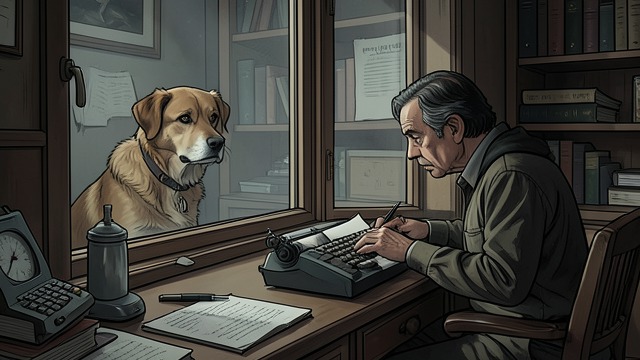
Survival and Sympathy
A Dog's Judgments
Sharik observes human cruelty, hunger, and social privilege while trying to survive. He can be possessive and suspicious, yet he also feels compassion for a poor typist.
Instinct Is Not Villainy
His reactions arise from material need and learned experience. The novel initially presents animal life as harsh but not inherently monstrous.
A Human Body Appears
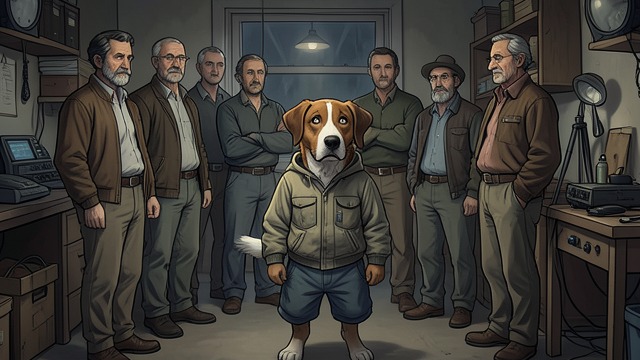
Form Without Maturity
Speech and Recognition
Sharik acquires human form and language, and institutions begin to recognize him as a person. These signs of humanity arrive faster than ethical development.
A Question Opens
The transformation asks whether physical or social classification can make someone humane. The story's answer grows more complicated as Sharikov acts.
A Human Heart Revealed
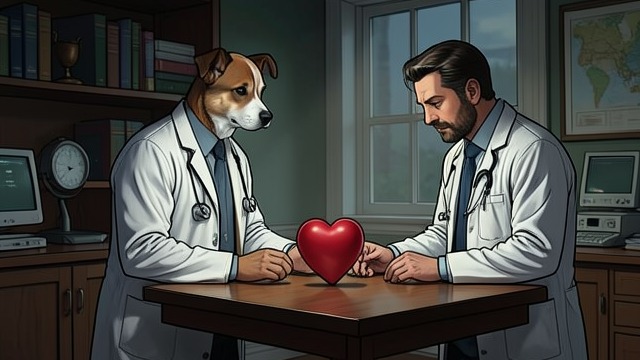
The Professor's Distinction
Rejecting an Excuse
Doctor Bormenthal calls Sharikov a man with a dog's heart. Professor Preobrazhensky objects that the dog's hostility to cats is only a limited instinct.
Human Responsibility
The professor argues that Sharikov has a human heart, and one that is rotten. The distinction makes his cruelty a moral problem rather than a simple inheritance from animal life.
The Donor's Individuality
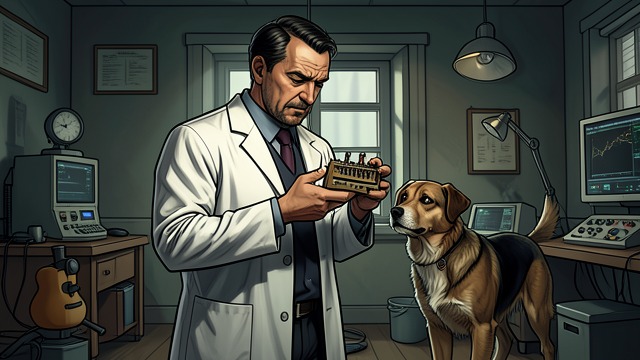
A Particular Inheritance
Traits, Not a Universal Type
Professor Preobrazhensky concludes that the transplanted gland carries individual characteristics rather than a general human essence. The donor's record helps explain why the experiment has produced this particular person.
No Simple Determinism
The biography deepens the scientific puzzle but does not settle every moral question. Inherited disposition, social environment, and personal conduct remain intertwined.
A Dog Again, Not an Answer
The Question Persists
Reversion
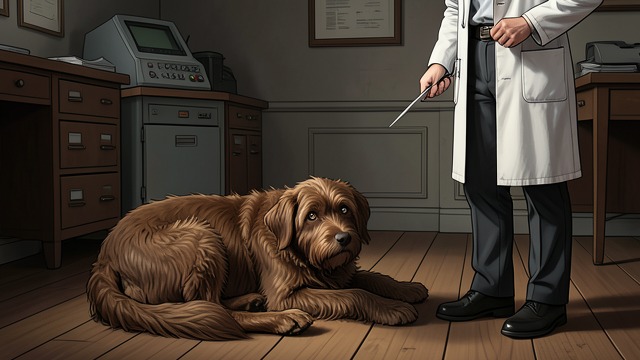
Sharik returns to canine form after the doctors' second operation, and the professor explains the result as atavism. The immediate human threat appears to have ended.
Moral Ambiguity
The restored dog is comfortable and affectionate, but the novel does not prove that animal nature is good or human nature irredeemable. It leaves the readers with a question about the boundaries of responsibility and identity.
At the beginning of the story
January 1925
During the doctors' discussion of Sharikov
After Chugunkin's history is examined
At the epilogue
