
Sharik and the Cats
The Heart of a DogThis emotional thread follows Sharik's instinctive hostility to cats, its transformation into Sharikov's cruelty, and the consequences of making that impulse an occupation.
increasing Bearing strength in each event
 decreasing
Bearing strength in each eventdecreasingStreet Rivalry
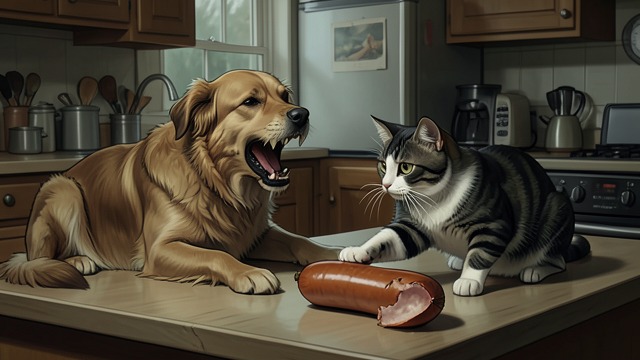
Protecting the Sausage
A Stray Cat Appears
On the walk with Professor Preobrazhensky, Sharik sees a cat near the sausage. He bares his teeth rather than share food with another street animal.
Scarcity's Lesson
The response reflects survival in a world where food is limited. Sharik's hostility is an instinct shaped by competition, not yet a policy or a job.
The Cat in the Bathroom
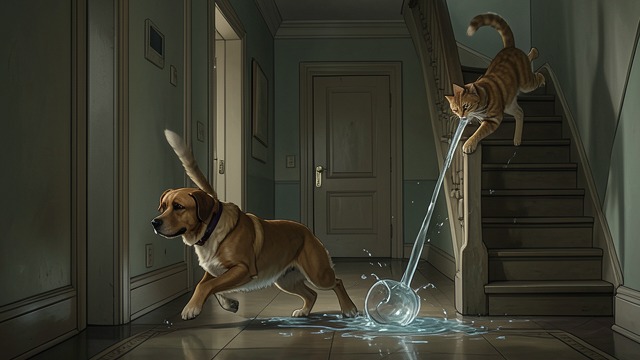
Instinct Becomes Disorder
A Chase Begins
Sharikov pursues a cat through the apartment and traps himself in the bathroom. The chase breaks glass, floods rooms, and disrupts the professor's appointments.
Household Costs
A once-comprehensible animal impulse now operates in a human body with destructive consequences. Others must repair the damage and manage the people waiting outside.
The Cat Is Blamed
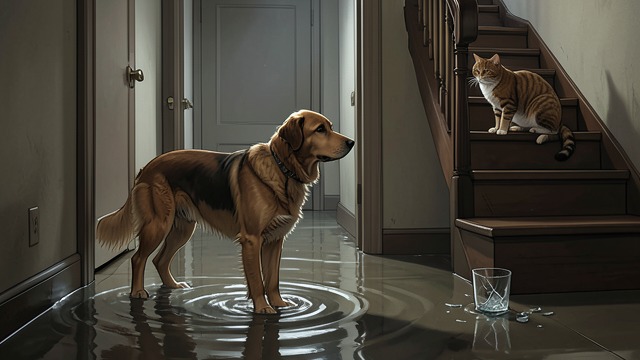
Responsibility Avoided
Excuses
Sharikov calls the cat destructive, despite having caused the flood while chasing it. He treats his own actions as justified retaliation for imagined wrongdoing.
A Pattern Revealed
The episode exposes his inability to assess cause and consequence. Professor Preobrazhensky and Doctor Bormenthal see that the problem is not simply a dislike of cats.
Strays Made into Work
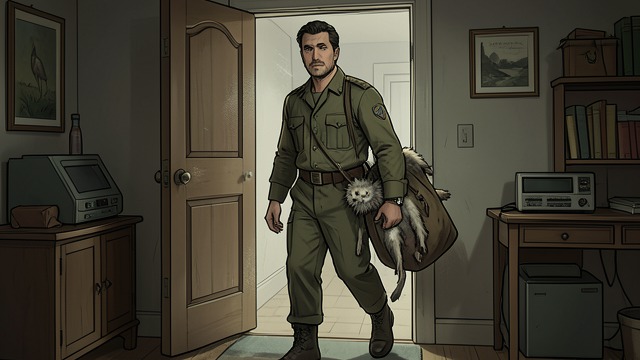
Hostility Institutionalized
Departmental Appointment
Sharikov becomes responsible for eliminating stray animals in the Moscow Cleansing Department. He arrives at home in clothes that smell of the cats he has killed.
A Dark Transformation
His former instinct now has public authority and a method. The conversion of a private impulse into official labor makes the role particularly alarming to the professor.
The Professor's Reproach
An Impulse Misnamed
The Heart of the Matter
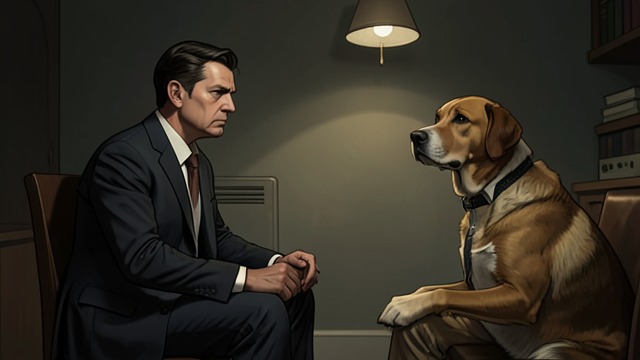
Professor Preobrazhensky rejects the claim that Sharikov has a dog's heart. He regards the dog's hostility to cats as a limited instinct, unlike Sharikov's deliberate cruelty.
A Moral Distinction
The distinction resists using animal nature to excuse human wrongdoing. Sharikov's conduct belongs to the choices and social power of his humanized state, not simply to Sharik's old instincts.
During the walk to the apartment
After Sharikov moves through the apartment
Immediately after the bathroom flood
After Sharikov returns with a new job
At the final confrontation
