
The Limits of Social Engineering
The Heart of a DogThis thematic thread contrasts collective reform, individual development, and biological intervention, asking whether people can be remade by slogans, institutions, or surgery.
increasing Bearing strength in each event
 decreasing
Bearing strength in each eventdecreasingA Program for More Housing
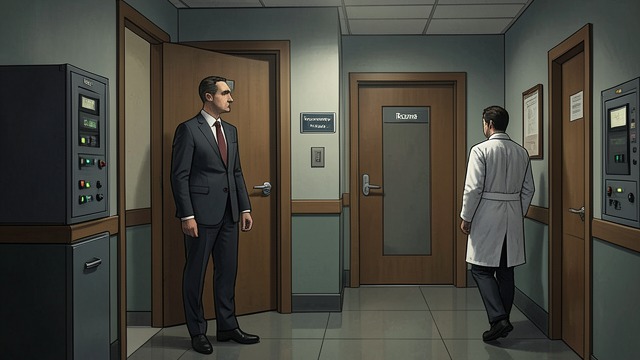
Society Reorganized
The Committee's Aim
The house committee seeks to increase occupancy and redistribute residential space. Its program assumes that institutional rules can alter how people live together.
The Professor's Resistance
Professor Preobrazhensky argues that his rooms support necessary work. The conflict introduces the problem of remaking social life by administrative decree.
An Argument for Redistribution
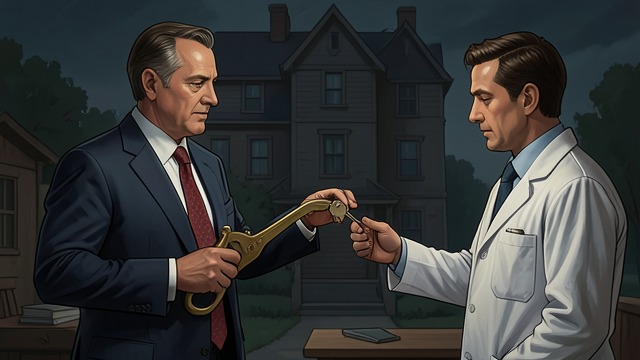
Ideals Reduced to a Formula
Sharikov's Proposal
Sharikov suggests taking property from the wealthy and dividing it among those with less. His answer echoes political reading but offers no practical account of how change should occur.
The Professor's Skepticism
Professor Preobrazhensky questions the gap between abstract redistribution and competent work. The discussion exposes conflict between moral aspiration and simplistic prescriptions.
A Person Made in a Laboratory
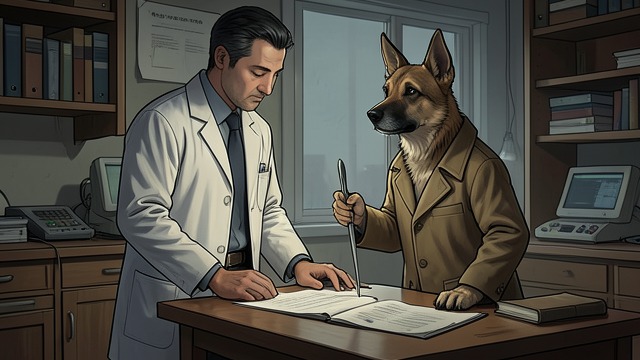
Biological Engineering
A Scientific Intervention
The doctors attempt to alter Sharik through organ transplantation. Their experiment makes the body itself an object of planned transformation.
The Result Exceeds the Plan
The operation creates a humanized being but not the refined personality its makers might have wished for. Technical intervention cannot guarantee the moral or intellectual outcome.
Environment and Inheritance
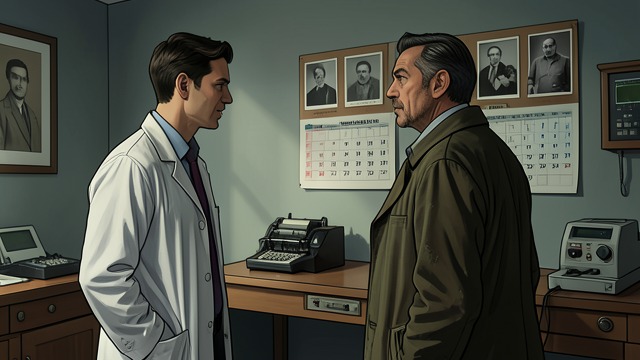
Causes Intertwined
A Donor's History
The doctors learn about Chugunkin's drinking, theft charges, and violent death. His individuality gives the experiment an unanticipated source of traits.
More Than a Program
Sharikov's development also reflects remembered street language, his institutional opportunities, and the household around him. The novel resists a single formula for shaping a person.
The Limits Acknowledged
A Retreat from Remaking
The Professor's Judgment
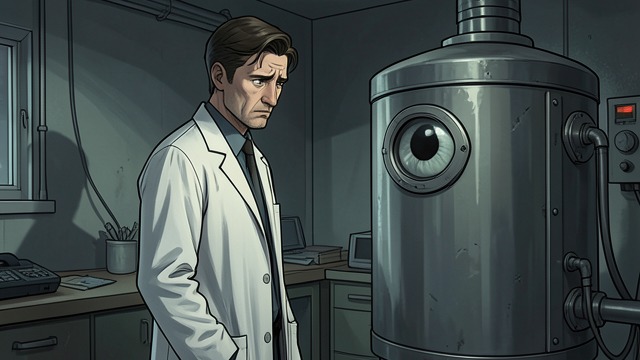
Professor Preobrazhensky concludes that producing a human being through transplantation has little practical value in the form achieved. He doubts the wisdom of forcing what ordinary human development may produce naturally.
A Qualified Ending
The doctors reverse the experiment, but no general social or scientific problem is solved. Their action demonstrates the difficulty of making people better by design.
Before the committee's first visit
During a dinner after Sharikov begins reading
December 23, 1924
After the donor's identity is investigated
Near the final operation
