
Kingship as Service
The Horse and His BoyThe rulers of Archenland and Narnia define authority through defense, law, and obligations to others rather than personal entitlement.
increasing Bearing strength in each event
 decreasing
Bearing strength in each eventdecreasingA King Hears a Stranger
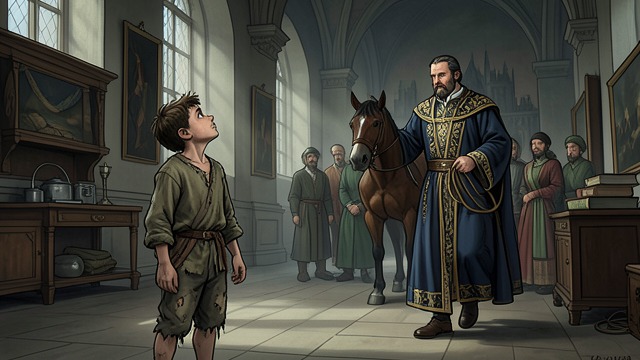
Trust before status
A warning delivered
Shasta arrives ragged and exhausted but reports the attack on Anvard. A courtier questions his assurance, yet King Lune reads truth in the boy’s face and chooses to act.
Authority in motion
Lune gives Shasta a horse and rides toward the castle with his companions. The king does not wait for a perfect report or personal advantage before accepting the danger to his people.
The scene presents kingship as responsibility to hear and respond. Lune’s decision matters because it turns a child’s warning into a chance for collective defense.
A Relief Force for an Ally
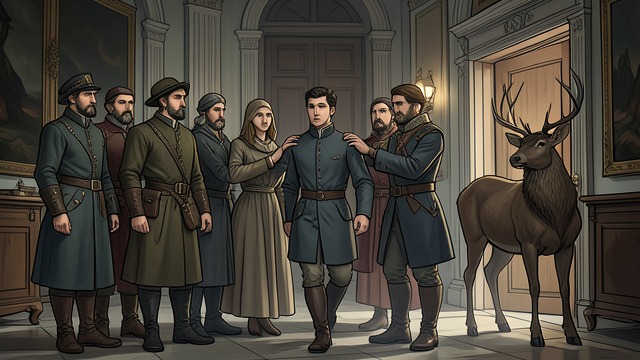
Alliance made practical
News becomes duty
A stag carries Shasta’s warning to Queen Lucy, and Duffle argues that the news requires action. Narnia’s leaders assemble a force to help King Lune rather than treating the attack as someone else’s problem.
Shared defense
The relief force includes different peoples and kinds of fighters, united in support of Archenland. Its diversity is part of the political order it defends: allies can contribute according to their abilities.
Kingship and alliance are shown through movement and service. The response to danger confirms that friendship among kingdoms has meaning when it requires time, risk, and resources.
The King at the Gate
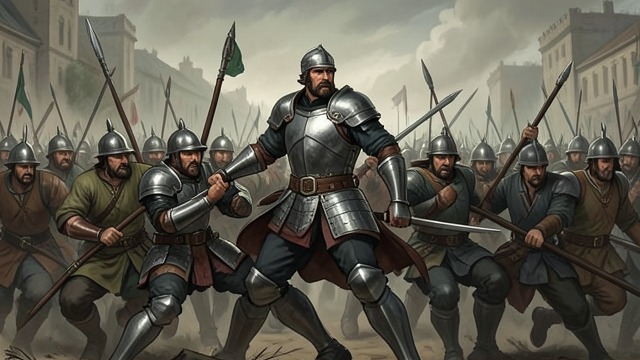
A ruler shares the danger
The defenders emerge
When the battle turns, King Lune leads a sortie from Anvard with other defenders. The king does not remain safely apart from the people bearing the immediate cost of the siege.
Courage under pressure
Lune fights among his allies as they press Rabadash’s force from behind. Their action helps end the assault and releases the castle from a position of isolation.
The battle makes public the obligations of a ruler. Authority is legitimate in part because the king takes risks alongside those whose lives and homes depend on the defense.
Law After Victory
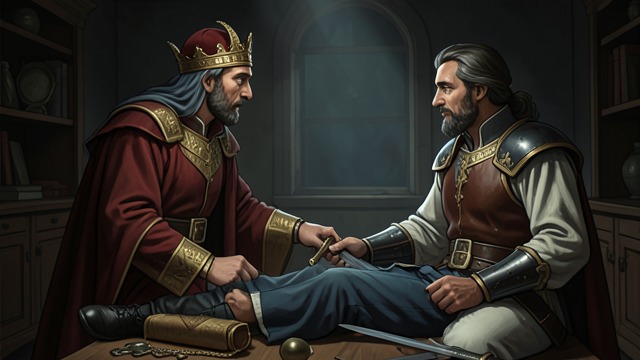
Restraint after battle
A choice about punishment
Some lords argue that Rabadash deserves death for his attack. King Lune recognizes the severity of the offense but is reluctant to kill a captive in cold blood.
Mercy with conditions
The kings consider releasing Rabadash on a promise of fair conduct. The offer does not erase his crime; it gives him a route back from defeat if he chooses to accept it.
The debate shows that power after victory carries its own responsibilities. A ruler must decide not only how to defeat an enemy but how to treat a prisoner when retaliation would be easy.
The Crown’s Burden
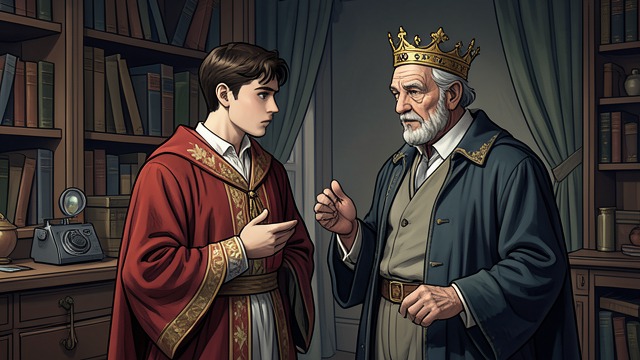
Inheritance as obligation
A lawful succession
King Lune tells Cor that he is the elder twin and will inherit the crown under the law. Cor would prefer to avoid the role, while Corin welcomes the freedom of remaining a prince.
The king’s definition
Lune explains that a king must be first in a desperate attack and last in a retreat, and must bear hardship with dignity when the land suffers. The crown is not simply a prize or a right to command.
The succession scene turns Cor’s sudden royal identity into a question of service. Law gives him the position, but the example of his father explains the responsibility that comes with it.
when Shasta reaches King Lune in the hills
after the stag brings news to Queen Lucy
during the sortie from Anvard
at the first judgment of Rabadash
the evening Cor learns he is heir
