
Words, Manners, and Manipulation
The Horse and His BoyThe contrast between Calormene rhetorical polish and Narnian directness reveals how elegant language can either illuminate conduct or disguise power.
increasing Bearing strength in each event
 decreasing
Bearing strength in each eventdecreasingProverbs as Social Armor

A language of maxims
Polished bargaining
Arsheesh and the Tarkaan use elaborate sayings to dignify their negotiation over Shasta. Their ornate speech does not conceal the underlying transaction for long: one man wants money and the other wants a boy’s labor.
Wisdom and evasion
Calormene proverbs can sound authoritative, yet they are also used to flatter, bargain, threaten, and avoid direct admission. Shasta learns to recognize the social performance without understanding its full political range.
The novel treats rhetoric as a tool rather than a guarantee of virtue. Fine phrases may carry insight, but speakers can use them to make self-interest appear respectable.
A Story Told for Effect

The practiced tale
Formal storytelling
Aravis narrates her escape in the elaborate style taught in Calormen, arranging events with formal titles and polished speech. Bree enjoys the performance, while Shasta interrupts with questions that break the expected sequence.
Style and character
The story’s graceful form does not make every choice within it admirable. Aravis’s escape includes deception and the drugging of a servant, matters that Shasta questions even as he listens.
The scene separates skill in telling from moral judgment about what is told. Language can make a narrative impressive without making its actions beyond criticism.
Ceremony at the Palace
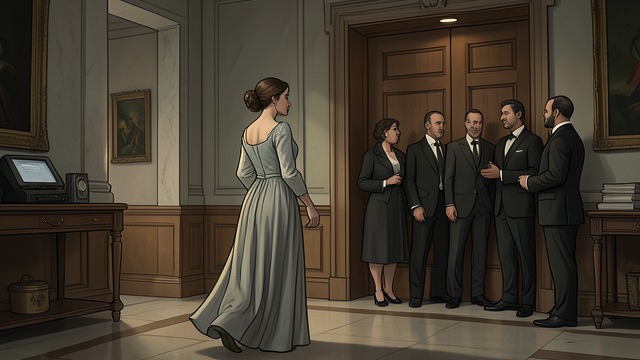
Ritual conceals danger
A courtly passage
Aravis and Lasaraleen move through halls and corridors, relying on palace familiarity and formal access. Their route brings them close to the Tisroc and into a room where a secret council is already underway.
Politeness as disguise
The court’s titles and ritual behavior continue as Rabadash proposes an invasion and the Tisroc calculates how to deny it. Behind ceremonial language, the participants discuss violence as a matter of policy.
The episode places elegance beside cruelty without treating them as opposites. Courtly manner can preserve order, but it can also give ambition a polished cover.
Plain Speech in Counsel

Words that make a plan
Tumnus’s practical proposal
While others fear that they are trapped, Tumnus proposes inviting Rabadash to a banquet aboard the ship. His idea converts a polite social gesture into cover for departure.
Clear purpose beneath courtesy
The banquet invitation will sound gracious without promising Susan’s consent. The Narnian party can participate in the language of diplomacy while refusing the coercive future Rabadash intends.
Here, strategy uses manners without surrendering judgment. The difference lies in whether language protects another person’s freedom or disguises an attempt to take it away.
The Difference Between Saying and Doing
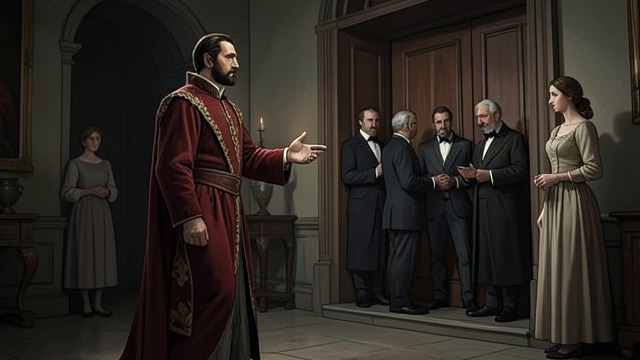
Words tested by conduct
A prince’s grand threats
Rabadash speaks of honor, divine vengeance, and royal dignity even though his expedition began as an unannounced attack. King Lune judges him by what he has done rather than by the titles he claims.
Consequences made memorable
Rabadash’s transformation makes him an object of ridicule, and his later name records the gap between his grand claims and his conduct. His elaborate threats cannot restore the authority he has lost.
The ending asks readers to measure language against action. Eloquence can dramatize power, but it cannot turn coercion into justice or prevent other people from seeing the truth.
during Shasta’s life with Arsheesh
the night Aravis recounts her escape
the night Aravis and Lasaraleen enter the Old Palace
during the Narnian council in Tashbaan
after Rabadash’s defeat at Anvard
