
Freedom, Law, and Responsibility
The Horse and His BoyThe story contrasts different forms of social control and shows that freedom requires both protection from coercion and duties toward others.
increasing Bearing strength in each event
 decreasing
Bearing strength in each eventdecreasingA Household Without Choice
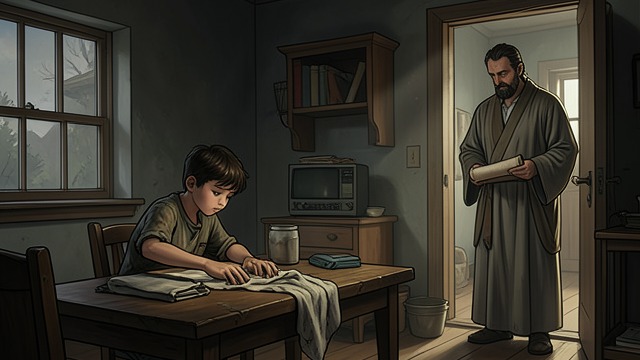
Service without belonging
Work as a daily condition
Shasta performs household labor and risks punishment from Arsheesh, who plans to sell him when a Tarkaan offers a price. The boy has little security despite being called a son.
Freedom imagined northward
Because Shasta cannot choose his work or destination, he imagines that the unknown North may contain another kind of life. His escape begins with a vague longing that becomes concrete when Bree offers a way out.
The household shows how dependence can resemble slavery even when it is disguised as family care. Shasta’s later identity as a prince does not erase the real hardship of the childhood he remembers.
A Horse Hidden in Service
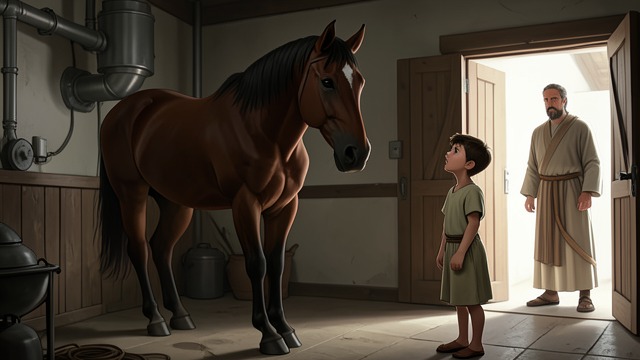
Captivity behind silence
Concealed personhood
Bree can speak but pretends to be an ordinary, dumb horse because disclosure would make his captivity more secure. His intelligence does not protect him when the humans around him treat him as property.
Escape as recognition
Bree’s flight with Shasta begins a journey toward a society where Talking Horses are recognized as persons. His hope of returning to Narnia is also a hope of no longer having to hide what he is.
The horse’s experience makes freedom more than release from a physical owner. It includes the ability to speak, choose, and be treated as an equal by other beings.
Marriage and Consent
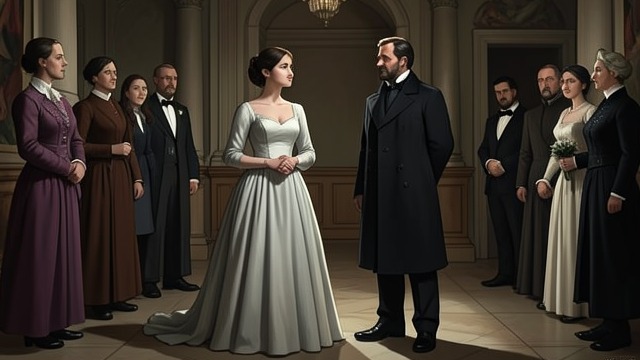
A daughter’s choice
Family authority
Kidrash Tarkaan arranges Aravis’s marriage to Ahoshta, a powerful man she despises. Calormene custom makes the match socially legible, but it does not make Aravis willing.
An alternative imagined
Hwin tells Aravis that Narnia does not force maidens to marry against their will. The information gives her a reason to risk escape rather than accept a life selected by her father.
The contrast makes consent a measure of freedom. Aravis does not reject her family simply for adventure; she rejects a social arrangement that treats her future as something others may exchange.
A Free Horse Is Not a Mount
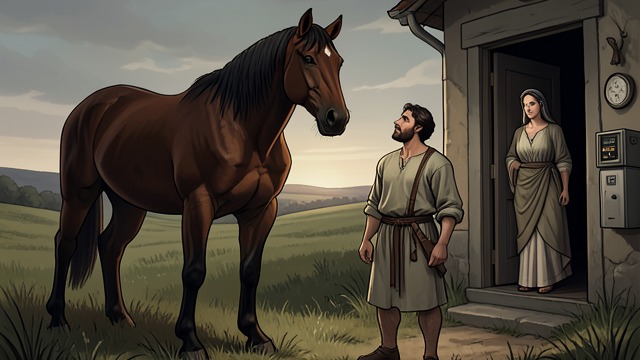
Equality after captivity
A changed custom
Cor explains that people in Narnia and Archenland do not ordinarily ride Talking Horses except in war, when each person does the work best suited to them. Bree is unsettled by a society whose customs he does not yet know.
A new relationship
The humans’ refusal to treat a Talking Horse as ordinary transport challenges Bree’s assumptions about his own place. Freedom entails being addressed as a person, but it also requires learning how to live among others without the habits of a captive.
The custom distinguishes respectful cooperation from ownership. A horse may still join a battle, but the choice and purpose are not the same as forced labor in Calormen.
Power Answerable to Law
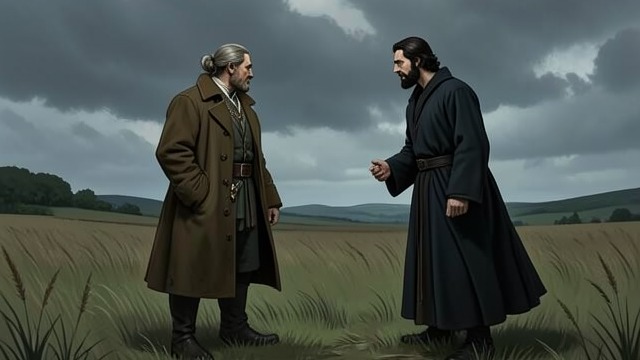
Freedom has public limits
Aggression judged
Rabadash claims royal status when demanding a duel, but King Lune points out that his unannounced attack violated peacetime conduct. His title does not transform treachery into honorable war.
Duty beyond privilege
King Lune later explains that kings must lead desperate attacks, endure desperate retreats, and bear responsibility when the land suffers hunger. Authority is presented as service constrained by law rather than permission to dominate.
The ending links freedom with accountability. Rulers and subjects may not be equally powerful, but neither personal desire nor royal rank should exempt a person from the consequences of harming others.
Shasta’s childhood with Arsheesh
before Bree escapes Calormen
when Aravis learns of her betrothal
after the group arrives near Anvard
after the battle at Anvard
