
Narnia’s Golden Age Tested
The Horse and His BoyThe peaceful world of Narnia appears secure, but external aggression tests whether its freedom and happiness can be defended by timely action.
increasing Bearing strength in each event
 decreasing
Bearing strength in each eventdecreasingA Country at Peace
Security in the Golden Age
A settled kingdom
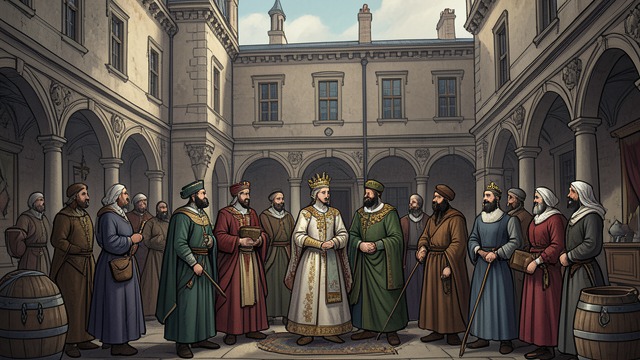
Narnia is governed by Peter, Susan, Edmund, and Lucy in a period of peace and plenty. Its people enjoy a freedom that can make urgent dangers seem remote.
A wider horizon
The royal visit to Tashbaan brings Narnian leaders into contact with a powerful neighboring empire. Their welcome appears secure until Susan’s refusal exposes the limits of that security.
The Golden Age is not immunity from conflict. Its freedoms remain meaningful because rulers and communities must defend them when a stronger neighbor attempts to impose its will.
A Threat at the Border
The small kingdom’s danger
Edmund’s assessment
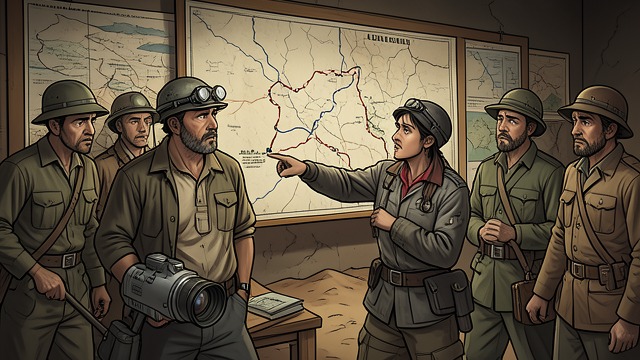
King Edmund fears that the Tisroc may see Narnia and Archenland as territories to absorb. Their smaller size and freedom make them attractive targets rather than safe partners.
Geography questioned
The desert seems a natural barrier, but Sallowpad describes a hidden route into Archenland. The conversation turns geography from reassurance into a problem of knowledge and defense.
The council reveals that peace can breed false confidence if a kingdom assumes that distance alone will keep it safe. Narnia’s leaders must understand threats beyond their borders to respond wisely.
A Neighbor Under Attack
The alliance awakened
News from the south
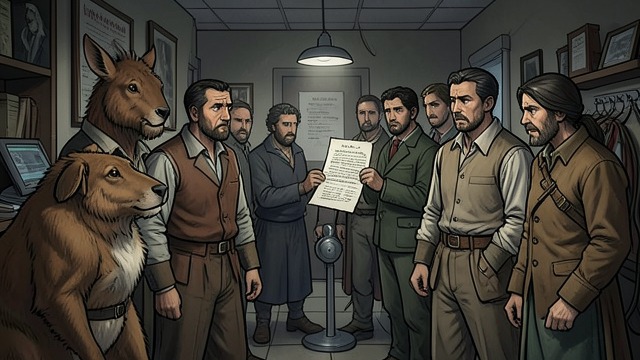
Shasta reports that Rabadash is attacking Anvard. Narnian woodland creatures initially discuss the news, but Duffle insists that action matters more than speculation.
Help organized
A stag carries the message to Queen Lucy, and Narnia prepares a relief force. The kingdom’s peaceful life becomes a resource for defense when its people and rulers coordinate quickly.
The response shows that security is not merely the absence of war. It also consists in communities prepared to protect allies when danger reaches them.
Narnia Enters the Battle
Peace defended by force
A diverse host
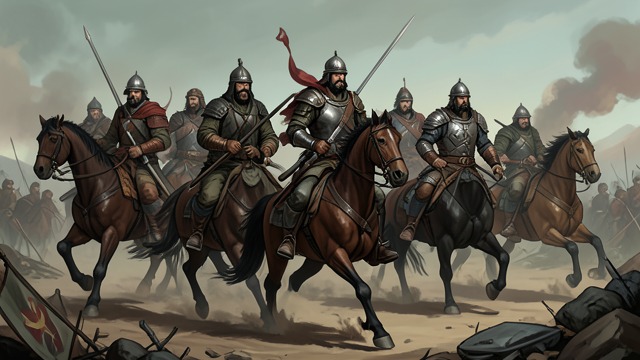
Narnian humans, Talking Beasts, Dwarfs, giants, and other allies ride toward Archenland. The assembled force includes different abilities and forms of courage.
The kingdom tested
At Anvard, Narnian fighters face Rabadash’s men alongside King Lune’s defenders. The battle tests whether a free country can translate its peaceful order into effective defense.
Narnia does not preserve its Golden Age by refusing all conflict. It protects the conditions of peace by acting against an attack that threatens a neighboring free kingdom.
Peace Preserved Beyond the Battle
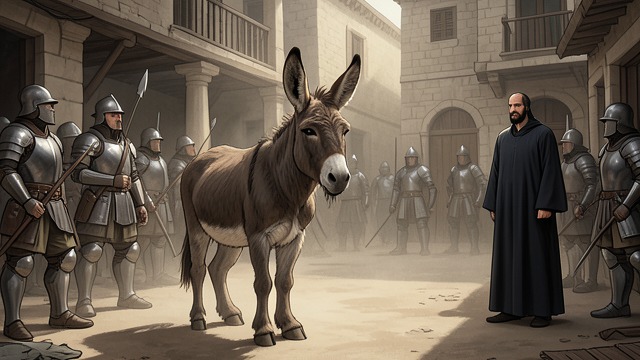
The threat constrained
An invasion prevented
Rabadash is defeated before his scheme can establish a foothold in Archenland or continue toward Narnia. His capture and transformation end the immediate campaign.
A quieter region
As Tisroc, Rabadash remains close to Tashbaan because leaving the temple’s limit would restore his donkey form. Although his motives are selfish, his restricted power makes the neighboring lands more secure.
Narnia’s Golden Age survives not because its enemies disappear but because the assault fails and the aggressor’s reach is curtailed. The outcome links local courage to a wider peace.
before the Narnian party leaves for Tashbaan
during Edmund’s council in Tashbaan
when the stag carries Shasta’s message
during the relief march to Anvard
after Rabadash returns to Tashbaan
