King Lune
The Horse and His BoyKing Lune is the king of Archenland, father of Corin and Cor, and a decisive figure in the defense of Anvard against Rabadash. He recognizes the truth in Shasta’s exhausted warning, acts before the attack arrives, and later insists that even a captured enemy must be judged according to law. His rule rests not on royal whim but on obligations: the crown comes by law, and a king must lead in danger and share hardship in lean years.
Identity and Family
King Lune rules Archenland and is the father of the twin princes Corin and Cor. Corin has been raised as the prince who will inherit, while Cor’s return changes the succession: Lune identifies Cor as his elder son and lawful heir. The family’s history is therefore bound to the kingdom’s law, rather than to a ruler’s preference or either son’s wishes.
Before meeting Cor, Lune is already part of the future Shasta imagines. During the meal in Tashbaan, Tumnus describes the supposed Prince Corin’s father as the good old King Lune and evokes his little castle on the southern slopes of the mountain pass. He also tells Shasta of expected visits between Narnia and Archenland and a promised stay at the Summer Festival. The picture makes Lune a figure of home and welcome before Shasta knows that he himself is the lost prince.
Warning and Defense of Anvard
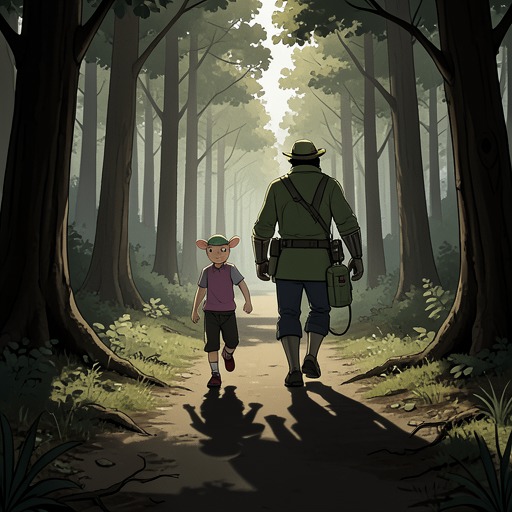
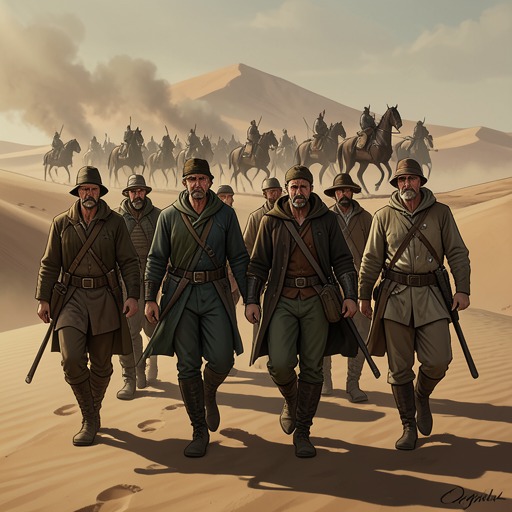
When Shasta reaches Lune and his companions, he is breathless and can barely get out the warning: Rabadash is approaching Anvard with two hundred horsemen. Asked how he knows, Shasta answers that he saw them with his own eyes and raced ahead from Tashbaan. Lune stops Darrin from pressing him with further questions, saying that he sees truth in the boy’s face. He orders a spare horse brought for Shasta and calls the company to ride at once.
Lune’s response makes trust an instrument of defense. Shasta’s appearance offers little conventional reassurance: he is a boy who has arrived in haste, not an established messenger or soldier. Yet Lune weighs the urgency of the report and the truth he reads in the speaker, then acts. Shasta mounts the horse with a practiced seat, and Darrin remarks on his horsemanship and noble blood; the warning has already moved the king’s party toward the threatened castle.
Law, War, and Judgment
After Rabadash is captured, he demands to be released so he can fight as a king and a man. Lune refuses. He argues that if Rabadash had issued a challenge a week earlier, those in King Edmund’s dominion would have answered it, from the High King down to the smallest Talking Mouse. Instead, Rabadash attacked Anvard in peacetime without sending a challenge. Lune consequently rejects his claim to honorable combat and orders him bound and taken inside.
The distinction is between battle under an acknowledged rule and an attack launched without warning. Lune does not let Rabadash’s royal rank erase the manner of his conduct. Nor does he allow the captive’s provocation to determine the law: he prevents Edmund from accepting the demanded fight and treats Rabadash as a prisoner whose fate remains to be decided. Rabadash is carried into the castle still shouting and cursing, but Lune’s decision has denied him the spectacle and status he sought.
Lune also resists killing Rabadash in cold blood, although he acknowledges that killing him during battle would have been easier to accept. Darrin notes the risk that his death could provoke war with the Tisroc. Lucy advises giving Rabadash another chance on a strict promise of future fair dealing; Edmund warns that a renewed breach should meet him in a setting where he can be defeated in open battle. Lune agrees to try this course and has the prisoner brought before them.
He frames the offer of release in both legal and political terms: they have a right to Rabadash’s life, but will set him free unharmed if he accepts conditions. Lune’s account of Rabadash’s upbringing in a land of slaves and tyrants informs his judgment, but does not excuse the attack or eliminate its consequences. When Rabadash refuses even to hear the terms, Lune’s willingness to offer a further trial remains an act of policy and restraint, not submission to the prince’s demands.
Fatherhood and Recognition
Lune’s affection is visible in his response to Corin after the battle. Corin has taken part in the fighting against his father’s instructions. Lune reproaches him for disobedience and jokes that a rod would suit his age better than a sword, while those present can see how proud he is. Darrin observes that Corin has inherited his father’s qualities; Lune lets the rebuke pass and turns to the two boys together.
He embraces Shasta, kisses him on both cheeks, and asks the court to look at the pair and say whether anyone doubts what they see. Shasta still does not understand the attention or the cheering. The scene makes recognition public through the likeness between him and Corin, while Lune’s embrace makes the discovery more than a matter of appearance or dynastic bookkeeping: the king receives the missing boy as his son.
Lune’s welcome to Aravis reveals the same combination of courtesy and sympathy. When she reaches Anvard, he comes out to greet her in old clothes after tending to the kennels with his Huntsman, having stopped only to wash his hands. His clothes do not prevent him from greeting her with the stateliness of an emperor. He welcomes her warmly, says that his deceased wife would have wished to offer her better hospitality, and recognizes that being driven from her father’s house must have been a grief. He has heard Cor’s account of her adventures and courage; Aravis answers that Cor was the one who rushed at a lion to save her.
Succession and the Duties of a King
After the immediate crisis, Lune tells Cor that the next day he will show him around the castle, its strengths and weaknesses, because it will be Cor’s to guard when Lune is gone. Cor objects that Corin will be king. Lune corrects him: Cor is the heir, and the crown comes to him. Cor does not want it and is sorry that his return appears to displace Corin, who is delighted at the prospect of remaining a prince.
Lune explains that he cannot simply choose a different successor. The king is under the law, he says, because the law is what makes him king; he has no more power to abandon the crown than a sentry has to leave his post. Cor’s reluctance and Corin’s relief do not alter the succession. The rule binds the ruler as well as the heirs, making royal authority an office constrained by the legal order that grants it.
His account of kingship extends that principle from inheritance to conduct. A king must be first in every desperate attack and last in every desperate retreat. When hunger comes in a bad year, he must wear finer clothes and laugh louder over a smaller meal than anyone else in the land. The formulation presents privilege as a visible burden of leadership: the king goes toward danger first and bears scarcity without abandoning the confidence others depend upon. Lune’s defense of Anvard, his restraint toward a defeated enemy, and his acceptance of the law of succession all give concrete form to that ideal.