Tumnus
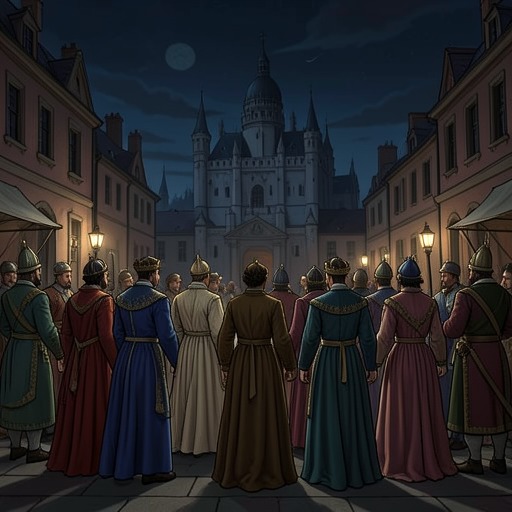
The Horse and His BoyTumnus is a Faun whose quick, practical counsel helps the Narnian delegation confront the danger in Tashbaan. Years after Lucy first met him in Narnia, he recognizes that Queen Susan’s suitor may try to keep her by force and proposes using a lavish shipboard banquet as cover to prepare the party’s departure.
Identity and Return
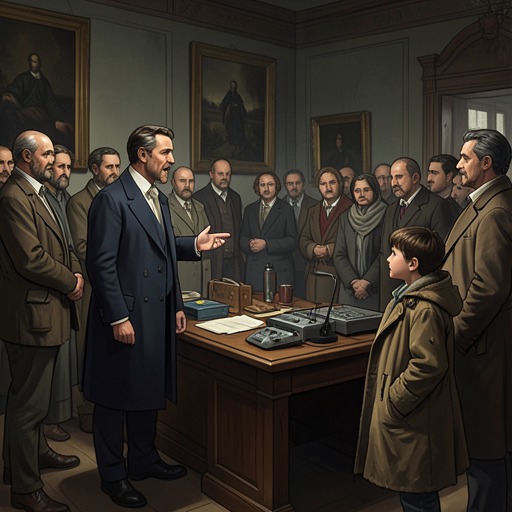
When Shasta is brought before the Narnian rulers, Tumnus is among the unfamiliar figures in the room. He is about Shasta’s height, with a man’s upper body and goat-like legs, hooves, and tail; he has reddish skin, curly hair, a short pointed beard, and two small horns. Shasta has never seen or heard of a Faun, so the sight startles him.
The narration identifies Tumnus as the same Faun Lucy met on her first day in Narnia. By the time of this meeting, Peter, Susan, Edmund, and Lucy have been Kings and Queens of Narnia for several years, and Tumnus is now considerably older than when Lucy encountered him. His return links Shasta’s bewildering first encounter with Narnian society to the earlier history of the Pevensies.
Recognizing the Danger
Tumnus intervenes when Shasta cannot explain himself, suggesting that the boy has suffered from the sun and is dazed. His explanation gives the rulers a reason for Shasta’s confusion without pretending that the boy has supplied a coherent account.
The more serious danger is the threat to Susan. Tumnus recalls that, at supper the previous night, the Grand Vizier asked how he liked Tashbaan. Rather than lie, Tumnus said that his heart turned toward Narnia’s cool woods and dewy slopes as summer approached. The Vizier answered with a warning disguised as permission: Tumnus could return to Narnia only if he left a bride behind for the prince.
That exchange confirms Edmund’s fear that Susan’s marriage is not simply a proposal she can freely refuse. Edmund reports that the prince has grown angry at delays and doubtful answers, and that his courtesy now carries a veiled threat. Tumnus’s account gives the threat a concrete form: Susan may be made the prince’s wife by force, or reduced to slavery. His ability to speak honestly about his dislike of Tashbaan, even under questioning, also puts him in direct opposition to the court’s coercive purpose.
Escape Plan
Faced with the problem of reaching the delegation’s ship with provisions without being watched or stopped, Tumnus first insists on thinking the matter through. He then identifies the practical need: a pretext that will make a journey to the ship, and the loading of supplies, appear ordinary.
His solution is to invite the prince to a great banquet aboard the galleon Splendor Hyaline for the following night. The message is to sound gracious and give the prince hope that Susan is weakening, while carefully avoiding any pledge of the Queen’s honor. Tumnus thereby turns the court’s expectation of a possible courtship into cover for preparations to escape.
He develops the deception beyond the invitation. Since the delegation can plausibly claim it must prepare to receive its guests, its members can travel to the ship during the day. Some are to visit the bazaars and spend their money on fruit, sweets, and wine as though outfitting a genuine feast; magicians, jugglers, dancing girls, and flute players are to be ordered for the next night as well. The plan uses visible, mundane preparations to conceal the real purpose of the movement.
Character and Narrative Role
Tumnus combines sympathy with resourcefulness. He recognizes the human cost behind the political danger to Susan, but his answer is not merely indignation: he converts the constraints of surveillance and access into the elements of a workable ruse. The proposed feast is especially telling because its apparent purpose and actual purpose run in opposite directions: it offers the prince the prospect of Susan’s consent while creating the opportunity for the Narnian party to leave.
His role also bridges stories. As the Faun remembered from Lucy’s earlier adventure, he makes Narnia’s past present in Shasta’s new experience; here, he is not simply a remembered figure but an active counselor whose knowledge of the danger helps shape the delegation’s response.