
Class and Unequal Power
The House of Bernarda AlbaThe household’s economic hierarchy shapes labor, marriage, and speech, showing how authority over property becomes authority over people.
increasing Bearing strength in each event
 decreasing
Bearing strength in each eventdecreasingScraps and Sausages
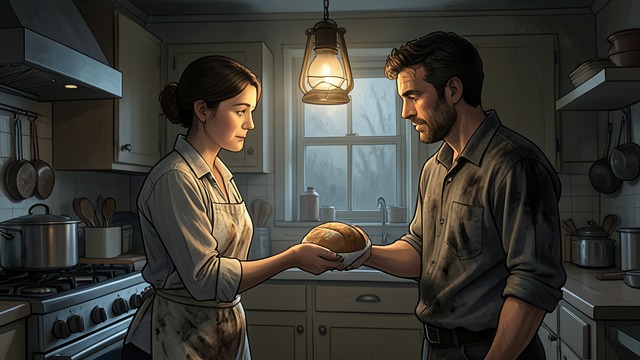
Scraps and Sausages
Wealth in the Pantry
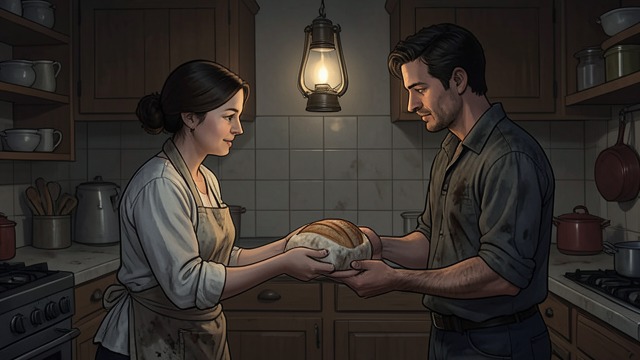
Poncia takes Bernarda’s food and shares some with Servant, whose child needs to eat. Their conversation sets family abundance against servant dependence.
Class Inside the Home
The servants work in the same house but do not share its security. Hunger makes class inequality an everyday material fact.
The Poor Dismissed
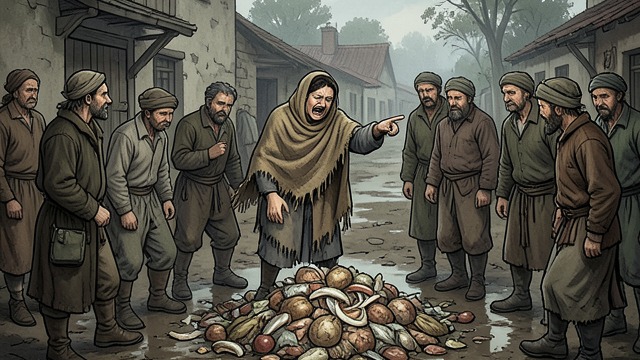
The Poor Dismissed
A Social Judgment
Bernarda says poor people are like animals and forget their troubles over chickpeas. The remark reduces poverty to an inferior condition rather than recognizing its causes.
A Divided Community
The mourners do not all accept her view. The exchange makes the class division of the village audible inside the household.
Inheritance Reorders the Sisters
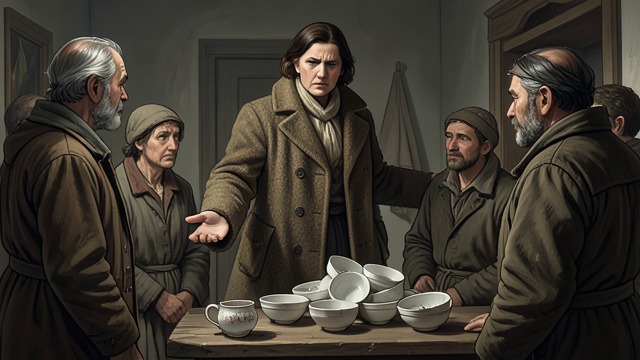
Inheritance Reorders the Sisters
Unequal Wealth
Angustias receives a larger share than Bernarda’s other daughters. Her money changes how the family understands her marriage prospects.
Property and Status
Magdalena’s resentment reflects both material loss and emotional exclusion. The will turns household hierarchy into a conflict among siblings.
Class Blocks a Suitor
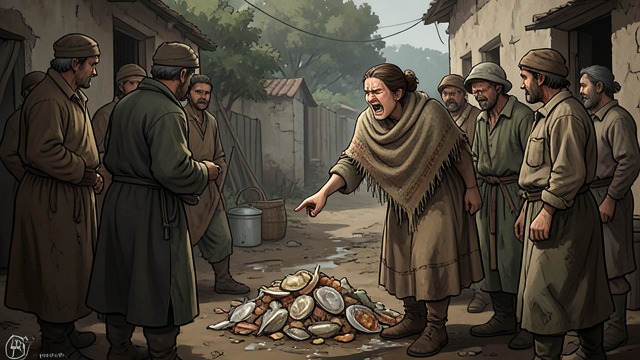
Class Blocks a Suitor
Martirio’s Lost Chance
Poncia reminds Bernarda that she prevented Martirio from marrying Enrique Humanes because his father was a farmhand. A possible relationship was ended by class prejudice.
Social Status Enforced
Bernarda openly defends the prohibition and treats her own higher standing as a right. The family’s desire cannot overcome the hierarchy Bernarda protects.
Servants as Witnesses
Servants as Witnesses
Knowledge Without Power
Poncia and Servant discuss the daughters’ conflict and anticipate disaster. Their social position allows them to observe but not to govern the family.
The Hierarchy Holds
Bernarda’s commands and the servants’ dependence remain intact even as the household approaches collapse. Their insight underscores how unequal authority can obstruct action.
Act One, before the mourners return
Act One, during the mourners’ visit
Act One, after the estate is divided
Act Two, during Poncia’s warning
Act Three, before Adela’s confrontation
