
Endurance, Grief, and Ordinary Pleasure
The HummingbirdThis thematic thread traces the argument that surviving grief requires protecting desire and ordinary pleasure rather than treating suffering as a duty.
increasing Bearing strength in each event
 decreasing
Bearing strength in each eventdecreasingA Father’s Abandoned Reading
A Father’s Abandoned Reading
A hobby stops
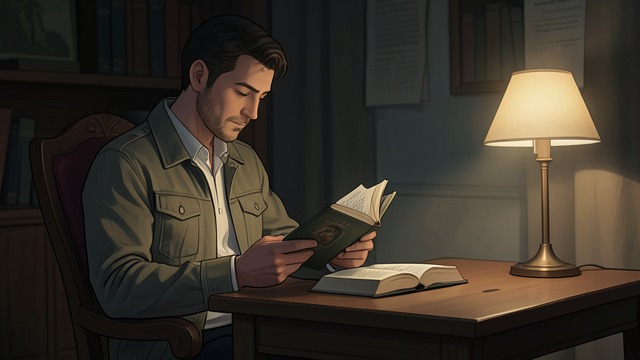
Probo had maintained a nearly complete collection of science-fiction books, but after Irene dies he stops buying and reading them. The change reveals a grief that he cannot explain or turn into conversation.
A pattern Marco later notices
Years later, Marco tells Carradori that he does not want to repeat his father’s withdrawal from pleasure. The books become an example of how bereavement can narrow a person’s life.
The story prepares the idea that ordinary desire may be part of survival rather than a betrayal of the dead.
A Word for World-Weariness
A Word for World-Weariness
A hidden record
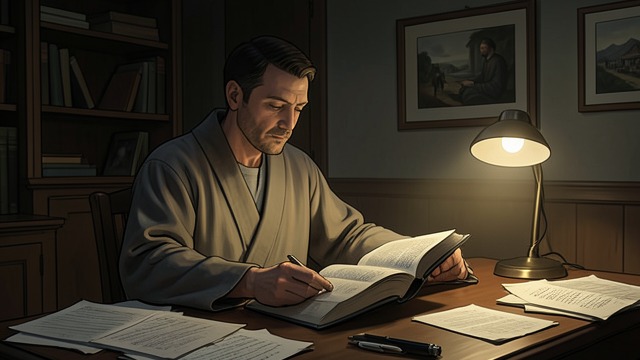
Marco discovers a book of poems and Irene’s notes in her preserved room. The notes name Weltschmerz, anomie, and suffering, revealing how deeply she had considered despair.
An incomplete understanding
The discoveries show that Irene had an inner life the family did not know. They do not provide a single explanation for her death, but they make the earlier signs of distress harder to dismiss.
The archive deepens grief by revealing how much remains unknowable even after evidence is found.
Carradori’s Emergency Counsel
Carradori’s Emergency Counsel
Pleasure under pressure
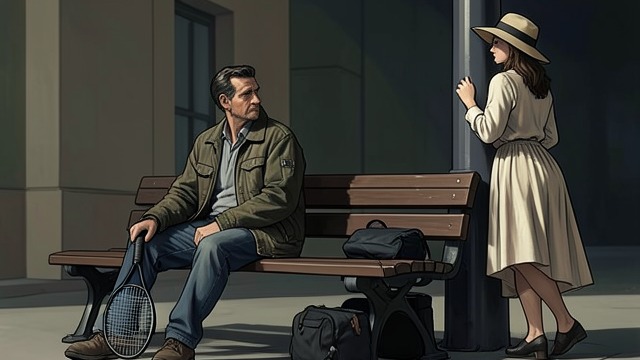
Carradori tells Marco that grief often censors desire precisely when desire can help a person remain alive. He suggests simple activities that can let the body escape pain’s complete control.
Care without a cure
He does not promise that tennis or other pleasures will solve Marco’s loss. Instead, he asks Marco to keep doing something meaningful and to bring Miraijin along.
The counsel defines recovery as continued living, not the disappearance of sorrow.
The Hammock and the Game
The Hammock and the Game
A portable permission
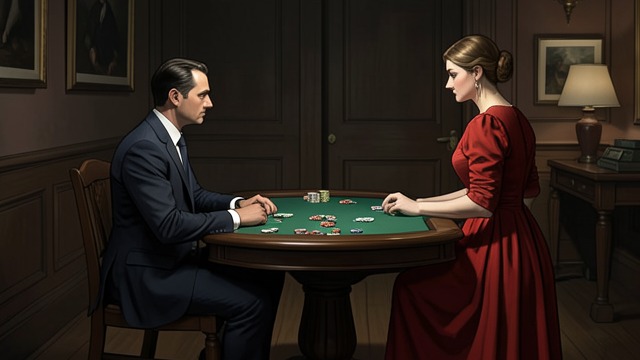
The hammock allows Marco to take Miraijin to tennis and gambling rather than choosing between pleasure and care. It makes Carradori’s advice workable in the details of daily life.
Pleasure with risk
Gambling is the strongest pleasure Marco knows, but it also exposes him to financial and emotional danger. He returns to the game not as a safe treatment but as a force that interrupts grief’s command to remain inert.
The novel refuses a simple distinction between healthy comfort and dangerous desire.
A Life Still Worth Living

A Life Still Worth Living
A final choice amid pleasure
Marco’s last day contains sunlight, familiar people, a kiss, and the sea. He recognizes that his life has held many moments of genuine pleasure even though pain has been abundant.
A decision not simplified
He proceeds with assisted death despite those moments, while acknowledging the possibility that others hope he will reconsider. The scene leaves a difficult tension between his right to choose and the value of continued life.
The conclusion does not make pleasure a cure or a guarantee; it shows that pleasure remains possible even at the edge of death.
After Irene’s death in 1981
June 1981, in Irene’s room, discovered years later
2012, after Adele’s death
2012–2016, during Marco’s mourning
June 2030, at the moment Marco prepares to die
