
The Body, Care, and the Limits of Control
The HummingbirdThis thematic thread connects growth, illness, risk, caregiving, and death through the body as a place where people can act but never fully control outcomes.
increasing Bearing strength in each event
 decreasing
Bearing strength in each eventdecreasingA Body That Will Not Grow
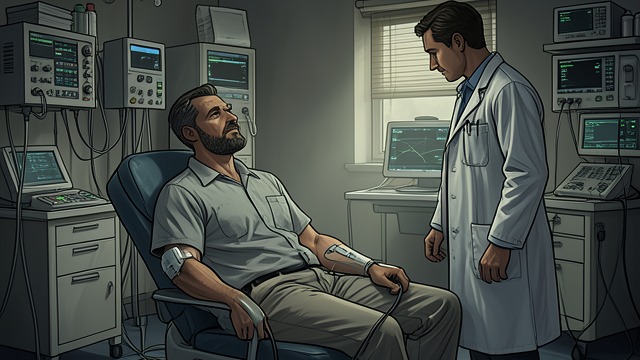
A Body That Will Not Grow
A problem interpreted differently
Marco’s body remains far below the expected growth range. Letizia trusts the idea that his development will follow its own form, while Probo fears that inaction will deny him help.
Authority and intervention
Probo takes Marco for consultations and supports experimental treatment. His decision is an act of care, but it also exposes the family to uncertainty because the treatment’s long-term effects are unknown.
The body makes parental love visible as competing attempts to protect and control.
The Body Changes Too Fast
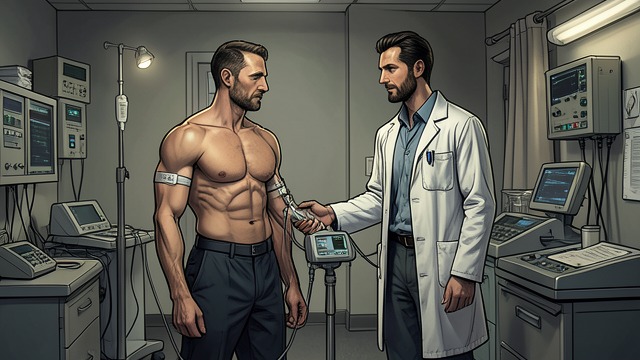
The Body Changes Too Fast
A sudden growth spurt
Marco grows rapidly after treatment, reaching an ordinary height much sooner than the specialist expected. His body seems to move from one extreme into another without a gradual transition.
A father’s fear persists
Probo celebrates the result but worries that an experimental intervention may carry delayed costs. Marco, by contrast, accepts the transformation and learns to live inside change.
The treatment’s success does not settle the deeper question of whether the body can ever be fully managed.
A Rope Fails in the Mountains

A Rope Fails in the Mountains
Trust in equipment
Adele climbs with experience and knowledge of the risks, relying on equipment meant to bear the climber’s weight. Her climbing rope breaks against rock.
Control has a limit
The accident kills her despite preparation and skill. Marco refuses to reduce the loss to a courtroom dispute, but the failure leaves him unable to reconcile expertise with the outcome.
The body’s vulnerability remains real even when people act carefully and understand danger.
Care Without Mastery
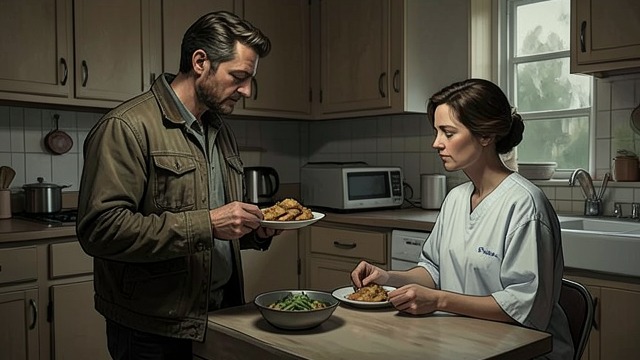
Care Without Mastery
Repeated practical acts
Marco accompanies his parents through cancer treatment, raises Adele through childhood crises, and later cares for Miraijin. He performs the ordinary tasks that keep vulnerable people fed, transported, and safe.
Limits become unavoidable
None of this gives him control over Irene’s death, Adele’s accident, or his parents’ illnesses. Care can improve daily life, but it cannot guarantee survival.
The novel presents caregiving as necessary precisely because it cannot make people invulnerable.
The Body’s Final Boundary
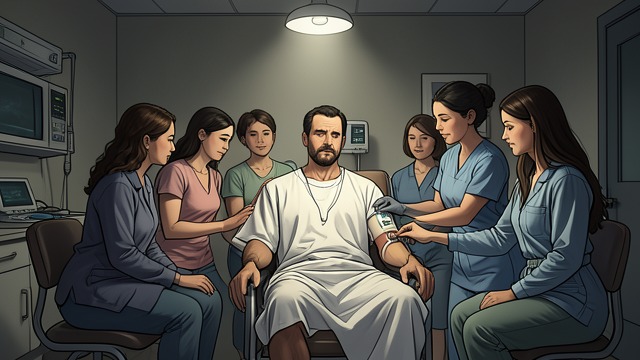
The Body’s Final Boundary
Illness and agency
Marco’s cancer weakens him, but he remains mentally clear and plans the circumstances of his death. He explains the medical process in professional language to preserve his autonomy and protect the people around him from blame.
Care at the edge
His companions stay near, and Miraijin offers a final gesture of physical connection. Their presence cannot reverse the illness, but it changes the meaning of his last moments.
The ending holds bodily limitation and deliberate choice together without pretending that either removes the other.
Before autumn 1974, during Marco’s delayed growth
Autumn 1974 through June 1975
2012, during Adele’s climb
2003–2012, as Marco cares for his parents and daughters
June 2030, during Marco’s final hours
