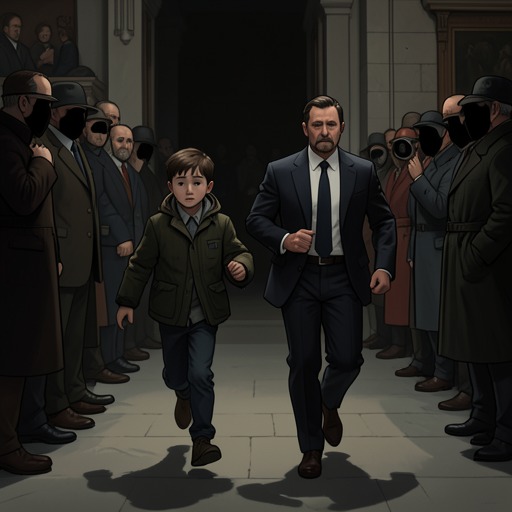
Marco Carrera and Duccio (the Unspeakable)'s relationship
The HummingbirdMarco Carrera and Duccio (the Unspeakable)'s relationship moves from intimate friendship through betrayal and decades of silence to an uneasy, consequential reunion. On February 29, 2016, Duccio returns to Marco’s life with a warning not to gamble; Marco rejects the idea that his old friend brings bad luck, acknowledges the harm he caused, and recognizes a debt of gratitude for having once been saved by him. Their exchange makes the past present again, just as Marco faces a choice between leaving and continuing to play.
Friendship and Rupture
Marco and Duccio had been best friends when Marco was known as the Hummingbird. They skied together, listened to music, and began gambling together, eventually visiting casinos across half of Europe. Their shared memories carry genuine warmth: Marco regards that history as glorious, even though their friendship did not endure intact.
The decisive break came when Duccio betrayed Marco. Marco says that he was shocked, foolish, and alone, and that his own serious mistake left Duccio to bear the consequences. The available account does not specify the full circumstances of the betrayal, but it establishes its lasting force: Marco felt excruciating guilt afterward, and Duccio disappeared from his life. Marco saw him no more for decades.
The Reunion at Dami Tamburini’s Game
They meet again at a poker gathering hosted by Dami Tamburini on February 29, 2016. Marco has come to play despite Miraijin’s fever, reasoning that her temperature is not severe and that he can take her to a hospital in Siena if necessary. He is preoccupied with the decision and with feeling abject about leaving her, while also drawn to the rare date, which occurs only every four years.
At first Marco does not recognize Duccio. The reappearance of the friend who once saved his life stuns him, and the sight of how much time has passed intensifies the shock. In the bathroom, where facing mirrors multiply their images, Duccio asks Marco to look at him and understand his warning: Marco should not play that night, but should go home. Duccio presents the advice as a friend’s concern. The setting makes their meeting feel like a confrontation with both the absent past and the changed men standing before each other.
Warning, Guilt, and Refusal
Marco considers several responses at once: he could accept the warning and leave, demand an explanation for Duccio’s return, apologize for the old wrong, or answer the warning with anger. His confusion reflects the unresolved character of their bond. Duccio’s intervention might be friendly, but to Marco it also sounds like a threat, and the history between them makes even apparent concern difficult to receive simply.
Marco ultimately apologizes. He says he had been shocked, foolish, and alone when he made his mistake, recognizes that Duccio paid for it, and tells him he would not repeat it. He also refuses the superstition that Duccio is bad luck, recalling that he had always argued against those who believed it. Most importantly, Marco says that Duccio once saved his life and that he therefore cannot be afraid of him. His refusal to leave is not a denial of their history: it comes together with an admission of guilt and gratitude.
A Friendship Recast by Time
Duccio’s warning is bound up with the old belief that he brings misfortune to people around him. Marco says he never believed that account, yet their reunion confronts him with the possibility that Duccio has been following his life through others. Duccio explains that Carradori has kept him informed over the years and feels sorry for what has happened to Marco. Marco is startled to discover that his misfortunes have been recounted to someone he had effectively forgotten; he had not sought others’ sympathy or spoken about what continued to happen to him.
The two men now pity one another, but their circumstances are sharply different. Duccio is alone and old, while Marco remains physically fit and looks, in Duccio’s comparison, like his son. Marco’s sense of a future is tied to Miraijin, whom he has brought with him to the gathering and whom he regards as protecting him. Their old companionship thus returns not as a restoration of youthful equality, but as a meeting between men changed by age, loss, and the stories told about them.
The Choice and the Relationship’s Significance
Marco answers Duccio’s insistence with the image that gives the episode its title: “Wolves don't kill unfortunate deer, Duccio - he says - They kill weak ones.” He distinguishes being unlucky from being weak, refusing to let the supposed pattern of misfortune decide whether he can face his old friend or continue the night’s game. The line turns their encounter into more than a warning about gambling: it is Marco’s declaration that he will not treat Duccio as a curse or himself as helpless before fate.
The reunion also makes Marco see a pattern in the circumstances leading to that night. He connects Carradori’s suggestion of a hammock, his own decision to use it, Miraijin’s presence, and the rare leap day with a convergence of love, wasted time, and pain. In that reading, what brought him to the encounter was not simply misfortune but a kind of accumulated strength and destiny. Duccio’s return therefore revives their friendship and its wound at once: Marco accepts responsibility for the past, honors the life-debt between them, and declines to let fear determine what happens next.