Marco trades his winnings for his mother’s photographic archive
The HummingbirdMarco trades his winnings for his mother’s photographic archive in the aftermath of his €840,000 poker victory over Dami Tamburini. The exchange reverses the apparent meaning of the win: Marco refuses the money he has just earned and asks instead for the photographs he had earlier given away. What he reclaims is not a financial asset but the material trace of his mother’s passage through the world, and the recognition that he had mistaken disposal for generosity.
The wager and its reversal
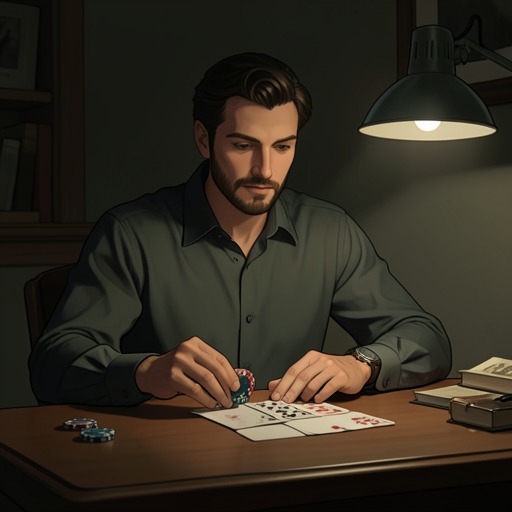
Marco describes the request to Dr. Carradori after the game. He had won €840,000, but says that he did not want the winnings. The money, he explains, was a damnation to him, while gambling was a persistent threat he had carried throughout his life. The victory does not leave him with a new fortune to enjoy; it forces him to see the game and its reward differently.
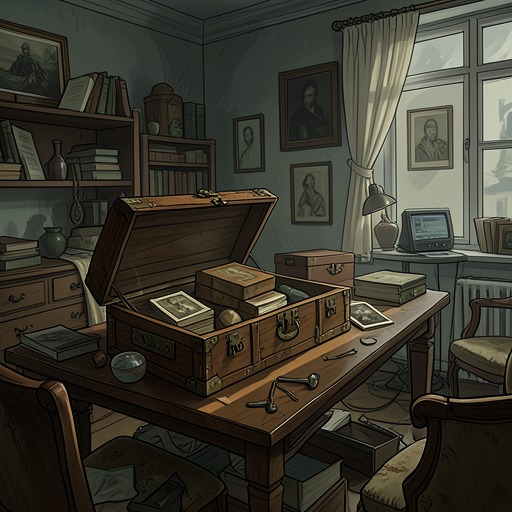
Instead of taking the money, Marco asks for his mother’s entire photographic archive. He had donated it years earlier to the foundation associated with Dami Tamburini’s bank. During the conversation with Dr. Carradori, he recalls asking for the archive back and explains that, after the pain he had experienced, he suddenly seemed able to see things as they were. The man’s most precious possession, Marco realized, was the archive he had handed over.
What the photographs mean
The archive matters because it is what Marco’s mother left behind: a record of her passage on earth. Marco recognizes that calling his earlier act a donation had concealed a more troubling truth. He had not truly given the photographs away in the spirit of entrusting them to people who would value them more. As he tells Dr. Carradori, he had got rid of them under that pretext, disposing of what remained of his mother’s presence.
That realization changes the value of both sides of the bargain. The €840,000 is not a prize Marco wants to keep; the photographs are the possession he now understands he cannot replace. His request to recover the archive is therefore not simply a preference for one kind of property over another. It is a correction of an earlier act of relinquishment, prompted by a sudden recognition of what the photographs preserve.
The meaning of winning
Marco calls the recovery his real win from the previous night. The outcome also transforms the emotional scene of the game: he recounts that everyone was crying, but says he moved them with emotion rather than pain. He describes this as pathetic, yet the only part of the night he is not ashamed of. The refusal of the money thus becomes a public and emotional reversal of the ordinary triumph associated with a large gambling victory.
He tells Dr. Carradori that he has no money problems, has always enjoyed working, and has never wanted to live off his winnings. He has not regretted the exchange, not even in a dream. By returning to the archive, Marco confronts the threat gambling has represented in his life and recovers something of greater personal consequence than the cash. The action makes the victory an act of remembrance: the stake he chooses to keep is his mother’s photographic legacy.