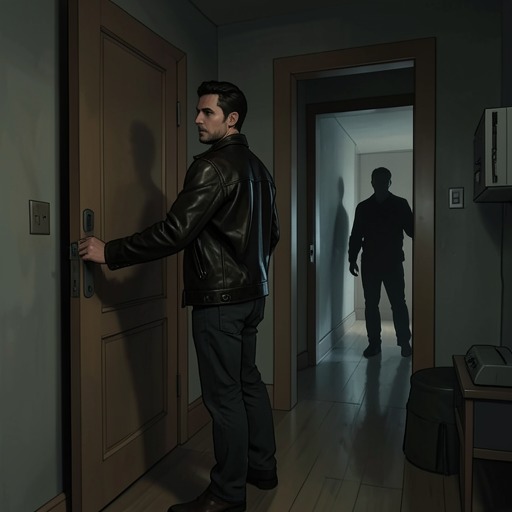
Charles Talley's death and the framing of Matt
The InnocentCharles Talley’s death and the framing of Matt is recalled by Kimmy Dale as the point where Max Darrow’s plan to incriminate both Talley and Matt became action. Talley, already on parole, sought Kimmy’s help after a fight with Matt; she directed him to wait in a stairwell, then went along with Max’s plan to make Matt appear responsible for Talley’s death. The episode reveals the scheme behind the accusation and marks a rupture between Kimmy and Olivia Hunter: Olivia says she had thought about her old friend, but Kimmy answers that this had not been enough.
Background and Participants
Kimmy recounts that Matt had tracked Talley down and that the two men fought, after which Talley ran away. The account does not supply further details about the confrontation or specify where or when Talley died. It does establish the immediate chain leading to the framing: Talley contacted Kimmy while in a panic about the police, and she knew he was on parole.
Talley feared that one more offense would result in a life sentence and, Kimmy says, would do anything to avoid that outcome. She told him to wait in the stairwell. Her instruction placed Talley within reach of the plan that followed, while his fear of renewed imprisonment made him vulnerable to the choices Kimmy and Max had already set in motion.
The Framing Plan
Olivia identifies the consequence plainly: the events had been arranged to look as though Matt killed Talley. Kimmy confirms that this outcome followed Max’s design. Max had wanted to set up both Talley and Matt; after Talley fled the fight and called her, Kimmy decided to stick with the plan. Her account links the apparent accusation against Matt to a larger effort that also targeted Talley, rather than presenting the framing as an isolated response to the fight.
The distinction between Talley’s actual involvement and the appearance of Matt’s guilt is central to the episode. The evidence establishes that Talley fought with Matt, fled, and then waited in the stairwell at Kimmy’s direction; it does not describe the mechanics of Talley’s death. What Kimmy does confirm is that the scene was made to implicate Matt, fulfilling the plan Max had intended.
Retrospective Revelation and Consequences
The event reaches the reader through a later conversation between Kimmy and Olivia. Olivia asks about Talley, and Kimmy supplies the account of his call, his fear of the police, and the stairwell. Olivia then names the framing, prompting Kimmy to explain Max’s original objective. This retrospective disclosure changes the meaning of the apparent case against Matt: the accusation was not simply an inference from his fight with Talley, but the intended result of a plan Kimmy chose to continue.
The revelation also carries a personal consequence. Olivia steps closer to Kimmy, her old friend, and says that she had thought about her. Kimmy acknowledges this but responds that it was not enough. The exchange does not undo the disclosed betrayal; instead, it sets Olivia’s continuing attachment beside Kimmy’s insistence that remembrance alone could not repair what had happened. The framing therefore operates on two levels: it distorted responsibility for Talley’s death and deepened the distance between the women discussing it.
Narrative Significance
Kimmy’s account makes the event a story of deliberate misdirection built from a real confrontation. Matt did track Talley down, and the two did fight, but Max’s plan turned those facts into a false appearance of murder. Talley’s parole and fear of life imprisonment supply the pressure that brought him to Kimmy; Kimmy’s decision to follow the plan supplies the link between that pressure and the accusation against Matt.
Because the truth emerges in a strained reunion rather than in a contemporaneous scene, the disclosure also exposes the cost of the conspiracy among people who once knew one another. Kimmy’s brief admission clarifies how the framing worked, while Olivia’s appeal to their old friendship shows what factual revelation cannot immediately restore. The event’s decisive significance lies both in its manipulation of the murder narrative and in its confirmation that Kimmy knowingly helped make Matt appear guilty.