
The Dream’s Visual Language
The Interpretation of DreamsThis thread follows Freud's explanation of why dream-thoughts become scenes and images, and where that account meets its limits.
increasing Bearing strength in each event
 decreasing
Bearing strength in each eventdecreasingThoughts Become Scenes
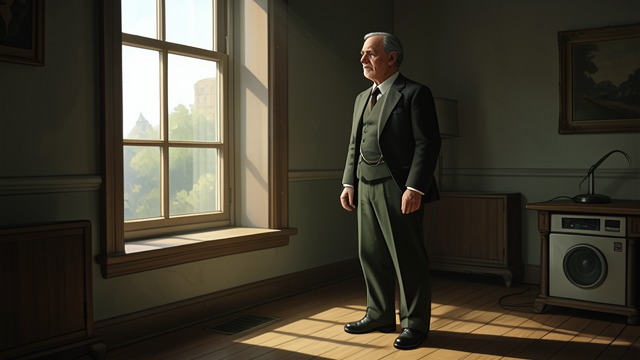
Thoughts Become Scenes
Immediate experience
Dreams commonly present thoughts as events perceived in the present rather than as abstract reflections. The dreamer feels that the scene is happening.
A distinctive transformation
Freud treats this shift from thought to sensory image as one of dreaming's defining features.
The Need for Representability

The Need for Representability
Images suit the medium
Abstract logical relations are difficult for a dream to depict, while concrete words and images can be staged as scenes.
Material reshaped
The dream-work selects or transforms thoughts to make them representable in sensory form.
Words Become Images

Words Become Images
Language supplies pathways
Puns, quotations, and phrases can link ideas that seem distant in ordinary reasoning. Dream formation exploits the associations carried by words.
A translator's problem
The same verbal resource that gives the dream expressive power can make interpretation unstable and difficult.
Scherner’s Symbolic Proposal

Scherner’s Symbolic Proposal
The body represented
Scherner proposes that dream imagery symbolizes bodily organs and sensations. Freud finds observations worth considering but questions the system's arbitrariness.
A narrower conclusion
Dreams may use symbols already available in unconscious thought without relying on a fixed universal code.
A Skewed Account of Vision
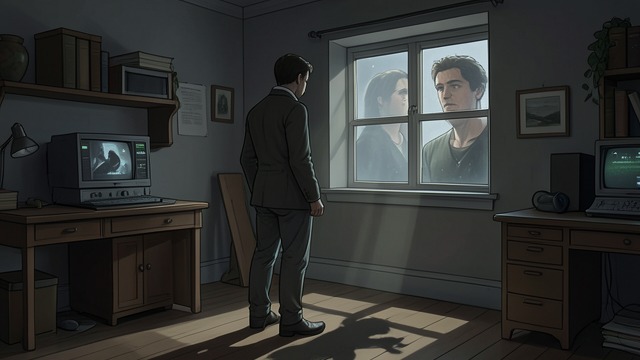
A Skewed Account of Vision
Freud's verbal bias
The Introduction argues that Freud gives language and wordplay exceptional weight and underestimates the visual character many dreamers report.
A limit to the theory
The book's own interpretive method illuminates verbal mechanisms while leaving some visual experience insufficiently explained.
In Freud's description of dream content
During Chapter VI's account of the dream-work
During the examples of verbal disguise
In the review of dream theories
In the Introduction's critique of Freud
