
Hamlet and the Inherited Vengeance
The Interpretation of DreamsThis thread follows Freud's reading of Hamlet's hesitation as a conflict between conscious duty and repressed identification.
increasing Bearing strength in each event
 decreasing
Bearing strength in each eventdecreasingA Command from the Dead
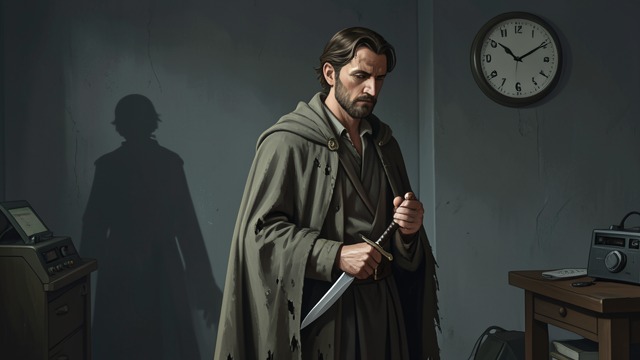
A Command from the Dead
A son receives a task
Hamlet learns that his father was murdered and is charged with revenge. The task gives his grief a specific direction.
Action delayed
Despite the command, Hamlet hesitates, leaving the play's central conflict unresolved.
The Play Within the Play
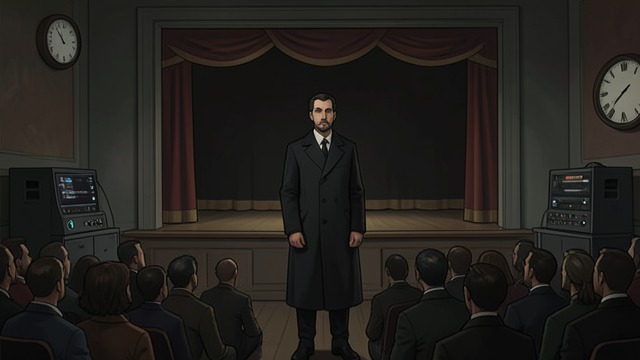
The Play Within the Play
Testing the accusation
Hamlet stages a performance to observe Claudius's response. Art becomes an instrument for testing what cannot yet be proved directly.
Knowledge without action
The evidence strengthens Hamlet's understanding but does not remove his inward resistance.
An Act of Sudden Violence
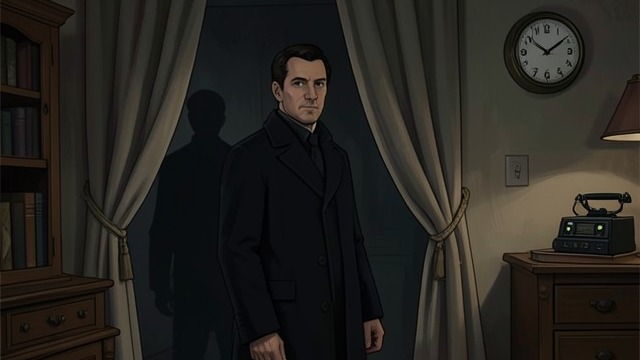
An Act of Sudden Violence
The hidden listener
Hamlet hears movement behind a curtain and stabs through it, killing the person concealed there. The act is immediate and uncontrolled.
A revealing contrast
Freud uses this action to argue that Hamlet is capable of decisive violence in some circumstances.
The Courtiers’ Fate
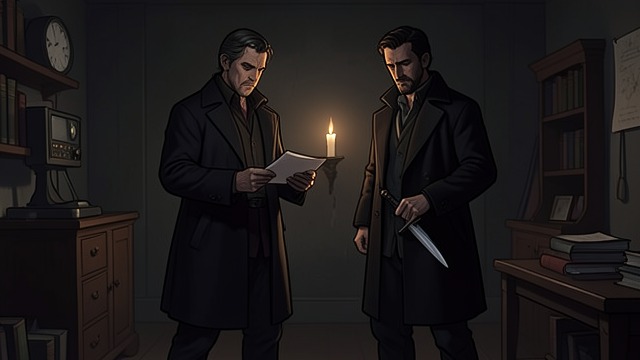
The Courtiers’ Fate
A calculated reversal
Hamlet discovers a plot against him and alters the message carried by two courtiers. They are sent to their deaths instead.
Purposeful action
This episode further complicates the claim that thought alone paralyzes Hamlet.
The Repressed Identification
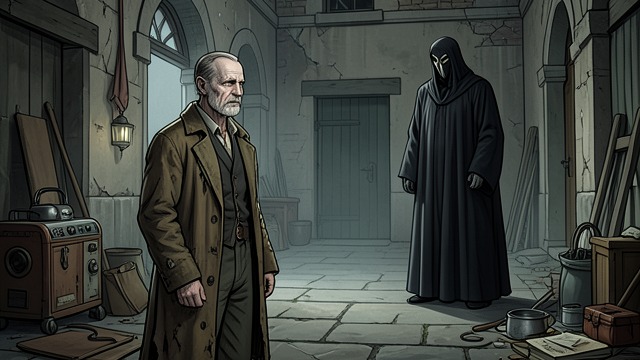
The Repressed Identification
A hidden obstacle
Freud argues that Hamlet cannot easily punish Claudius because Claudius has enacted a repressed wish: removing the father and taking his place beside the mother.
Drama as self-recognition
The tragedy's force comes from spectators confronting desires they would prefer to disown.
At the beginning of Hamlet's revenge plot
Before Hamlet confronts Claudius
During the confrontation behind the arras
After Hamlet is sent from Denmark
In Freud's interpretation of the tragedy
