Childhood
The Interpretation of DreamsChildhood is treated as an active source of adult psychic life, not merely as a period left behind. Its distinctive ideas of absence and death, its early attachments and rivalries within the family, and its remembered games and punishments can reappear later in dreams or psychological symptoms. The account’s central emphasis is on persistence through transformation: childhood experience may be forgotten or misunderstood at the time, yet become legible in retrospect through its later returns.
Childhood Ideas of Death and Absence
A child’s idea of being dead differs sharply from an adult’s. The child is not imagined as contemplating decomposition, the grave, or an endless nothingness; the word can instead mean that someone is gone and no longer present. On this account, a wish that a rival or playmate be dead need not carry the adult’s understanding of death or its consequences. The distinction helps explain how a child may express hostility in the most absolute terms without possessing an adult conception of what those terms entail.
Absence further blurs the difference. A journey, estrangement, and death may all register to a child as someone being away, since the child does not distinguish the cause of the separation. If a nurse is sent away in early life and the mother dies later, the experiences may overlap in memory. The child may not show intense longing during an ordinary absence, and a mother returning after a summer trip may hear that the children have not asked after her. When the absence is permanent, however, remembrance may come only later, in retrospect. The account links this delayed recognition to the way early memory can overlay distinct losses rather than preserve them as clearly differentiated events.
Family Attachments and Rivalry
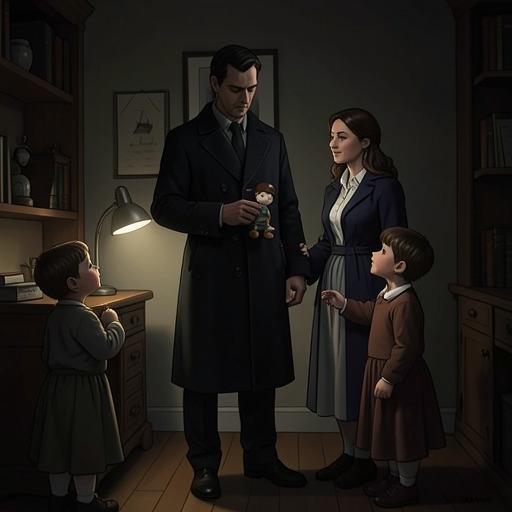
The account locates powerful childhood attachments within the family. Its analysis of psychoneurotic patients presents the child’s first affection as directed toward the parent of the other sex: the boy toward his mother and the girl toward her father. The other parent may consequently be experienced as a rival. These wishes do not erase tenderness toward the same-sex parent, but they can coexist with hostility and a desire for that parent to be absent. The passage argues that children need little provocation for such rivalry to take the form of a death-wish, partly because death itself may mean no more than being away.
Parental preference can reinforce these attachments. A child notices which parent tends to favor him or her, and may rebel against the parent who stands in the way. Being loved by an adult means more than having a particular need met: in the child’s understanding, it also promises greater latitude in other matters. The account thus connects the child’s attachment to one parent with both the parents’ own pattern of preference and the child’s broader struggle over attention, authority, and permission.
The adult’s conscious respect for parents does not, in this interpretation, disprove the existence of early hostility. The text argues that such wishes originate in the earliest years and may persist beneath later forms of filial honor. It treats the family pattern as more widespread than the clinical cases that make it especially visible: psychoneurotic patients are said to reveal, in magnified form, impulses that may occur less clearly in other children. Childhood therefore appears both as a developmental stage and as a continuing layer of adult psychic life.
Later Returns in Symptoms and Stories
One case illustrates how an early hostile wish may return in a transformed form. A cultured young man with an obsessional neurosis became nearly unable to live normally because he feared he might kill passers-by. He stayed indoors and spent his days assembling an alibi in case a murder occurred in the city. Analysis traced the obsession to murderous impulses toward his severe father, impulses he had consciously expressed at age seven but which the account attributes to still earlier childhood. After his father’s painful illness and death, when the man was thirty, the accusation reappeared displaced onto strangers. The analysis led to his recovery, while the symptom’s transfer showed how an old family conflict could return as an apparently unrelated fear.
The account also turns to the ancient story of Oedipus as a cultural expression of the same family pattern. The story, in which a son kills his father and becomes his mother’s husband, is presented as having enduring force because its conflicts echo wishes attributed to childhood. Its place in the discussion extends the argument beyond individual case histories: the family attachment and rivalry recognized in analysis are also made available through a story whose reach, the account suggests, depends on their broader human resonance.
Memory, Play, and the Dreaming Body
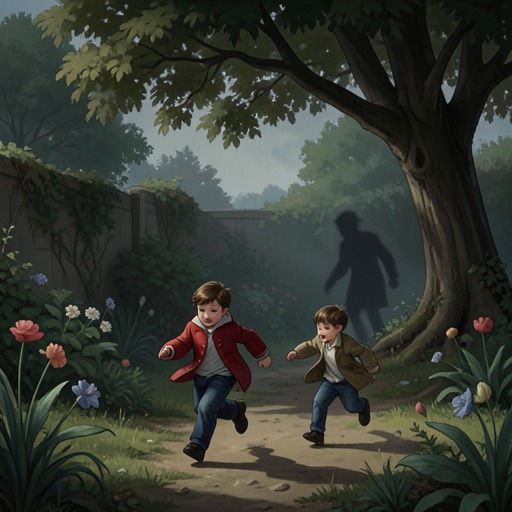
Childhood returns not only through family conflict but through dreams that repeat early bodily games. Dreams of flying, falling, or dizziness are linked to the games in which adults rushed children through a room with arms outstretched, bounced them on their knees, or lifted them and suddenly withdrew support. Children delighted in these repeated movements, especially when they included some fear or giddiness. Years later, the dream reproduces the motion but leaves out the hands that had held the child: the dreamer now seems to hover or fall freely.
This account makes the dream’s bodily sensations part of what it remembers, rather than the original source of the dream. It rejects the explanation that sensations during sleep, including sensations attributed to touch or lung movement, simply call these dreams into being. Instead, such sensations are understood as reproductions of the remembered experience. The dream therefore preserves the childhood movement while changing its setting and removing the adult support that once made it a game.
The emotional tone changes as well. Childhood romping could include quarrels and tears, and games that were harmless in themselves could awaken sexual feelings. In the dreams, pleasure associated with flying or falling may turn into anxiety. The change does not erase the remembered pleasure; it shows how a childhood experience can return with its feeling altered. A related observation describes a young colleague’s remembered bodily sensation while swinging, and reports that patients’ accounts often placed early pleasurable erections during boyhood climbing. The passage also notes that childhood scuffling and wrestling could be connected with the first stirrings of sexuality, without making those experiences identical to the later dreams that recall them.
Excess, Education, and Lasting Impressions
Childhood is also associated with scale and excess. Children ardently want to grow up and receive as much as adults do; they may be difficult to satisfy and demand repeated enjoyment without knowing when they have had enough. Moderation and restraint are learned through education and the cultural process. The account compares this childhood immoderation with the excess to which neurotic adults may be inclined, presenting adult conduct as another place where early tendencies can persist.
The memory of punishment provides a further bridge from childhood to adult life. People who have completed their school examinations may continue to dream that they have failed and must repeat a year. For those with degrees, the recurring ordeal may become the prospect of failing an oral examination for a doctorate, despite their established professional qualifications. These dreams are interpreted as childhood memories of punishment for misdeeds returning at decisive stages of adult study. The recurrence joins the ordinary pressure of examinations to an earlier fear learned in childhood, showing how the past can attach itself to a new occasion and make it feel more threatening than the present situation alone would explain.