A noble death is a treasure which no one is too poor to buy
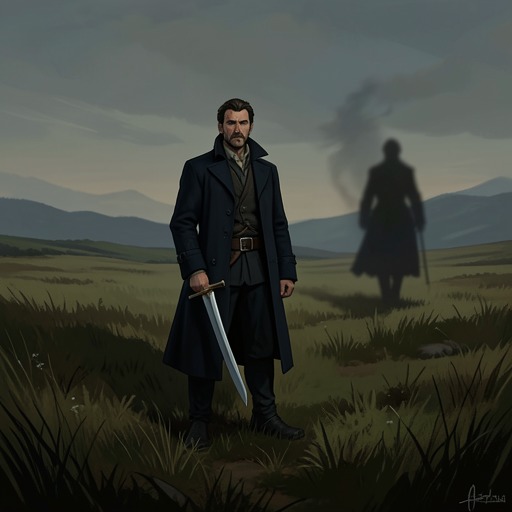
The Last Battle“A noble death is a treasure which no one is too poor to buy” is the message Roonwit sends to Tirian in his last hour. The saying frames death not as a privilege reserved for the powerful, but as a possibility of moral courage open to anyone; in the story, that idea resonates both with Tirian’s remorse over his own violence and with his final resistance to the Calormene advance.
The Saying and Its Occasion
Roonwit, a Centaur, is found dead with a Calormene arrow in his side after Cair Paravel has fallen. Farsight reports that he was with Roonwit in his last hour and delivers the message to Tirian: all worlds draw to an end, and a noble death is a treasure no one is too poor to buy. The saying arrives amid a report of defeat, not as a prediction that Narnia can still be saved, but as counsel about how to meet an ending.
Tirian answers the news by concluding that Narnia is no more. The message therefore gives the catastrophe a measure beyond survival: even when a kingdom has been lost, the manner in which its people face danger still matters. Its language of a treasure makes courage sound valuable without making it the property of rank, wealth, or victory.
Tirian’s Earlier Moral Crisis
The saying gains force from Tirian’s earlier reckoning with his own conduct. When he realizes that a horse being driven by Calormenes is one of Narnia’s Talking Horses, he and Jewel attack and kill the two Calormenes. The recognition makes their anger understandable, but it does not settle whether their action was just: they struck without warning, while the men were unarmed.
Afterward Tirian calls the deed dreadful and says that he and Jewel are murderers. He resolves to return, surrender his sword, and place himself in the Calormenes’ hands so that he can be brought before Aslan for judgment. Jewel warns that this will mean death. Tirian accepts that possibility, saying that death would be nothing beside the fear that Aslan had come and was not the Aslan they had believed in and longed for. His response joins courage to accountability: willingness to die is not presented as a license to ignore the moral weight of what he has done.
Resistance and the Meaning of the Treasure
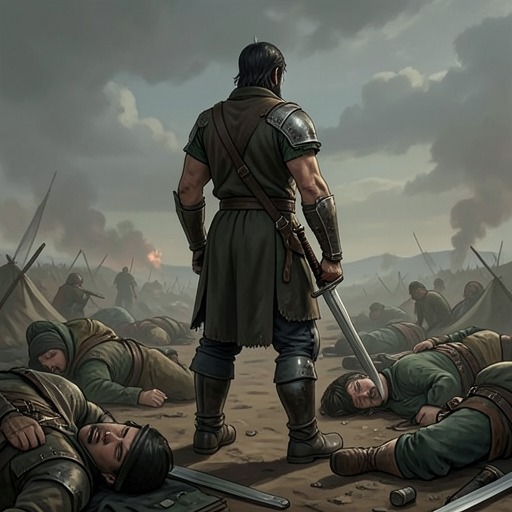
By the final battle, the danger is no longer a single, sudden encounter. The Calormene force has grown: earlier agents entered Narnia in small numbers while pretending to be peaceful merchants, whereas later arrivals could march openly and carried spears. Those weapons leave the defenders at a marked disadvantage against creatures such as boars and unicorns, whose natural defenses cannot match a long spear’s reach.
As the spears close around Tirian and his remaining companions, he understands that they are doomed together and concentrates on selling his life as dearly as he can. The fighting carries him away from his starting position beneath the white rock and nearer to the Stable, although he has a vague sense that there is a reason to stay away. The details keep the saying grounded in action: noble death is not an abstract celebration of dying, but an idea set against defeat, danger, and the effort to resist.
Roonwit’s message thus stands beside Tirian’s earlier confession without erasing it. The story gives value both to accepting judgment for a wrong and to defending others when the odds are overwhelming. In that contrast, the treasure of the saying lies not in death by itself, but in the possibility of meeting an ending with courage and moral seriousness.