Calormen
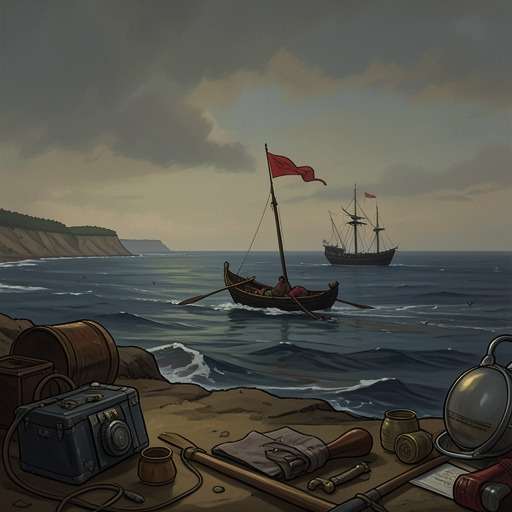
The Last BattleCalormen is the distant southern land beyond the desert from which Emeth comes to Narnia with Rishda Tarkaan’s force. It is associated both with the deceptive campaign against Narnia and, in the final vision of the renewed world, with the great city of Tashbaan seen across the southern desert.## Setting and Connections Emeth identifies himself as the seventh son of Harpa Tarkaan, from the city of Tehishbaan, westward beyond the desert. He says that he entered Narnia with twenty-nine others under Rishda Tarkaan’s command. His account places Calormen’s people and political authority on the far side of a desert frontier, while showing that its reach extends into Narnia through the Tarkaan’s expedition.
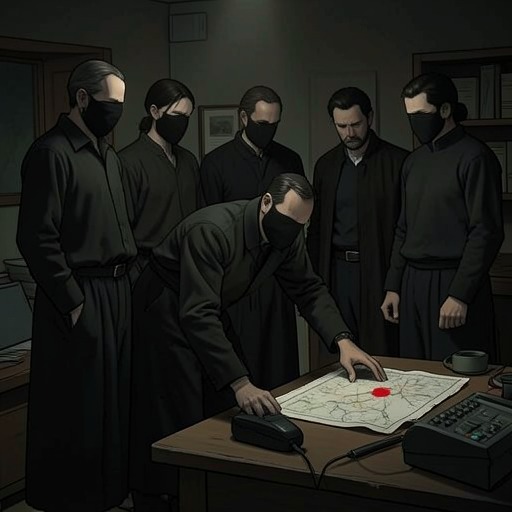
Emeth’s own account distinguishes his values from the methods of the expedition. He had heard much about Narnia and initially welcomed the prospect of meeting its people in battle, but his enthusiasm vanished when he learned the force would enter disguised as merchants and rely on lies and trickery. He regarded that conduct as shameful for a warrior and a Tarkaan’s son. His testimony makes the invasion not simply a clash between lands, but also a conflict over honor, belief, and the means by which power is exercised.## Emeth and the Calormene Campaign Emeth explains that he had served Tash since boyhood and longed to know more of him, whereas the claim that Tash and Aslan were one troubled him. Watching Rishda Tarkaan speak with the Ape led Emeth to conclude that the Tarkaan did not believe in the supposed god brought from the stable; he also inferred that Rishda did not truly believe in Tash, since otherwise he would not dare mock him. Emeth’s judgment exposes the religious language of the campaign as a tool of deception rather than sincere belief.
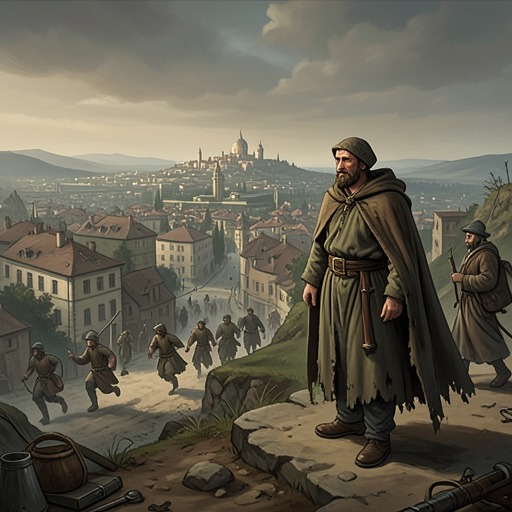
His story gives a personal Calormene perspective on the conspiracy without equating every Calormene with its leaders. Emeth arrives as part of Rishda’s force, but he condemns the disguise and trickery, recognizes the fraud surrounding the stable, and speaks in his own name about the beliefs that shaped his choices. The distinction between the Tarkaan’s manipulation and Emeth’s conscience is central to how Calormen’s role in the conflict is presented.## Tashbaan in the Final Vision After the destruction of the old world, Lucy looks out from a more real and beautiful Narnia and can see the whole southern desert. Beyond it lies the great city of Tashbaan. The expanded sight places Calormen within the geography of the world that can be surveyed from the new Narnia: the city is no longer only a distant point of reference in a political conflict, but part of a wider landscape revealed at the story’s end.
That final view accompanies a larger change in the meaning of the world. Aslan tells the children that the railway accident was real and that they and their family are dead in the Shadow-Lands; the end of their former life is described as the beginning of the real story. Tashbaan’s appearance in this vision connects the remembered geography of Calormen to a world beyond the destruction of the old order, without suggesting that the city itself is destroyed or transformed.