Tash is Aslan: Aslan is Tash
The Last Battle“Tash is Aslan: Aslan is Tash” is the Ape’s formula for collapsing Aslan and Tash into interchangeable names. Spoken to the gathered Talking Beasts after the Lamb challenges the Ape, it presents the alliance with the Calormenes as harmless agreement while dismissing the moral conflict between Narnia and Calormen. The Cat’s brief examination of the claim makes its crucial asymmetry plain: the Calormene captain confirms that Aslan means no more than Tash, and the Cat understands the answer.
The Ape’s claim
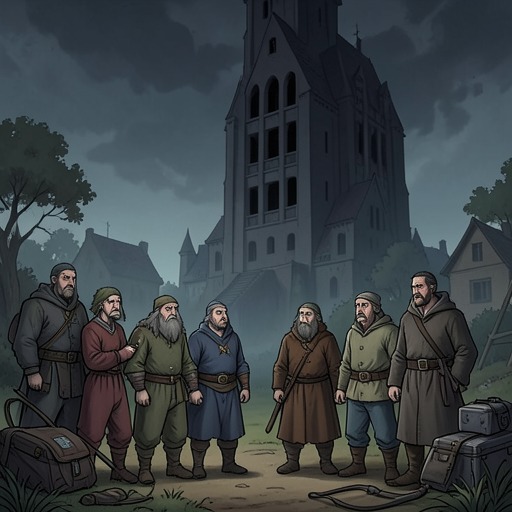
The Ape tells the animals that Tash is only another name for Aslan and that the Calormenes use different words for the same being. From this premise he declares that there can be no quarrel between the two, and that the old distinction between Narnian right and Calormene wrong is foolish. He does not offer the statement as a careful inquiry. He spits at the Lamb, calls him a baby, and orders the other animals to accept the explanation as knowledge. The equation functions as a command dressed up as enlightenment.
The gathered Talking Beasts do not greet this teaching with relief. Their eyes turn toward the Ape when the Lamb asks the question, but after the Ape’s answer their faces become sad and bewildered: tails drop and whiskers droop. Their response shows the cost of the claim within the scene. A formula meant to dissolve conflict does not reassure them; it unsettles creatures who had understood Aslan and Tash as opposed powers.
The Cat’s test
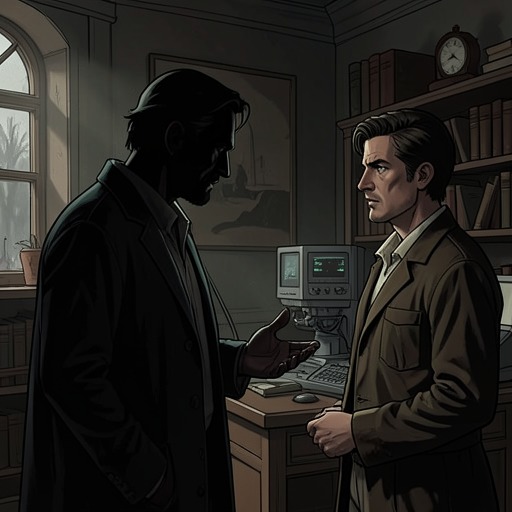
Ginger, the only creature in the front row who does not appear unhappy, watches both the Ape and the Calormene captain without blinking. He asks politely whether the captain agrees. The captain first endorses the Ape’s argument, then confirms Ginger’s sharper restatement: Aslan means no more than Tash. By distinguishing “the same” from “no more than,” Ginger tests whether the equation genuinely honors Aslan or instead reduces Aslan to the Calormene god.
The captain answers while looking Ginger straight in the face. Ginger thanks him coolly and says he is beginning to understand. His questions expose the political and religious maneuver more effectively than a direct rebuttal would: the captain’s assent reveals that the claim is not simply that two peoples use different names for a shared good, but that Aslan is denied any superiority or distinction. The Cat’s apparent acceptance is therefore a moment of recognition, not proof that he has been persuaded by the Ape.
Meaning and later contrast
The scene makes the equation a device of deception rather than a neutral statement about language. The Ape uses it to erase the moral difference between the parties and to secure obedience from the Talking Beasts, while the Calormene captain’s agreement confirms the practical direction of that erasure. The animals’ distress and Ginger’s precise questioning provide opposing responses: bewilderment under coercive authority, and clear-sighted scrutiny of what its words imply.
The novel’s later ending decisively rejects the identification. At the final judgment, creatures who look upon Aslan with fear and hatred turn away; Talking Beasts among them cease to speak and become ordinary animals. Those who look on Aslan with love enter through the Door. Aslan also explains that the old Narnia was a shadow or copy of the real Narnia, not the enduring reality itself. The distinction between appearance and truth thus reaches beyond the Ape’s slogan: his equation belongs to a world of false claims and misrecognition, while the ending places judgment and belonging in relation to Aslan himself. After disclosing that the railway accident has killed the children and their parents in the Shadow-Lands, Aslan frames death as the end of the dream and the beginning of the real story, a resolution incompatible with treating him and Tash as merely interchangeable names.