Cora Munro
The Last of the MohicansCora Munro is Colonel Munro’s daughter and Alice Munro’s elder sister, a steady and morally independent figure whose refusal to accept racial prejudice and whose resistance to Magua’s demands shape her tragic course. She repeatedly places her sister’s safety before her own, but cannot escape the violence of the war and the pursuit.
Identity and first appearance
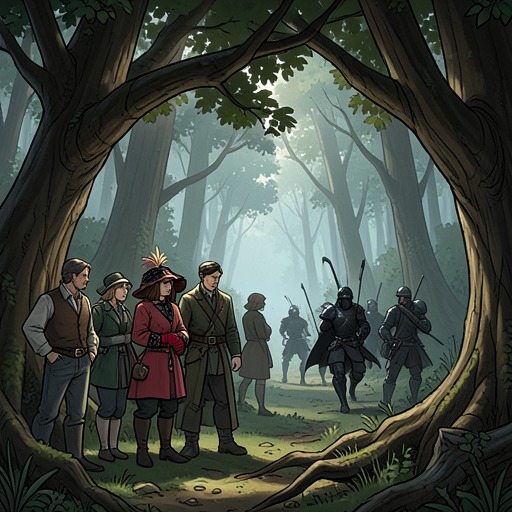
Cora first appears traveling through the woods with Alice, accompanied by Duncan Heyward. Alice is described as the more youthful-looking sister, while Cora’s bearing and decisions establish her as the more resolute of the two. At an early moment of suspicion, she challenges the assumption that a man should be distrusted because his customs differ or his skin is dark.
Her defense of a Native man is not merely courteous. Cora asks Duncan to judge him by his character rather than his complexion, making her opposition to racial prejudice a consistent feature of her conduct. In doing so, she contrasts with the racial assumptions that influence others around her.
Courage and responsibility
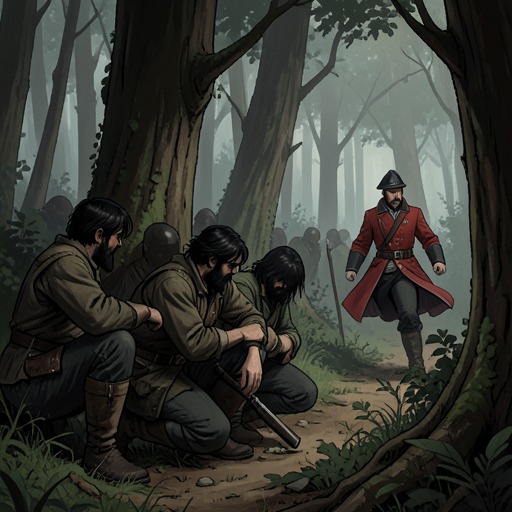
During the party’s dangers in the wilderness, Cora urges the men who have aided them to flee rather than risk their lives further on her account. She acknowledges the debt owed to them, but insists that they should not remain entangled in the sisters’ misfortunes. Her appeal presents courage as an effort to protect others, not simply as personal fearlessness.
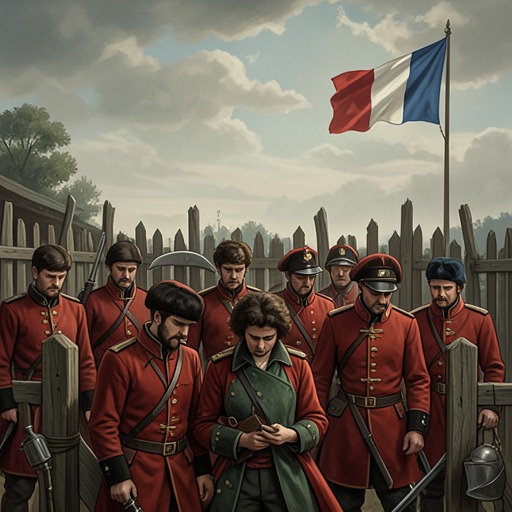
Cora’s composure remains evident when Duncan reaches the sisters after the surrender of Fort William Henry. Although pale and anxious, she has lost none of her firmness. She takes reassurance from being Colonel Munro’s daughter and says that no special protection is needed; soon afterward, she judges the place no longer suitable for the daughters of an English officer and urges the group to leave.
Magua’s demand and her choice
Magua’s capture of the sisters turns Cora into the focus of a conflict between revenge, family loyalty, and personal autonomy. She asks him to state his intention and pleads for Alice’s release, offering herself as the single victim rather than allowing both daughters to be lost to their father. Her appeal recognizes that Magua seeks revenge against Colonel Munro, but refuses to treat her sister as an acceptable price.
When Cora understands that Magua intends to take her to the Huron settlement and make her his wife, she asks Alice and Duncan whether life can be purchased at such a cost. Her words reveal her attachment to both: she calls Alice the child of her affections and turns to Duncan for counsel. The scene makes clear that her refusal is a considered moral choice, not a failure to grasp the danger.
At the later outbreak of violence, Cora again acts to free Alice. When an attacker’s blow cuts the bindings that hold her, she uses her freedom to reach her sister and tries to release her as well. Magua subsequently attempts to take Cora with him, but she refuses. Her defiance leaves him wavering; during the ensuing confrontation, an accomplice kills her.
Family, loss, and narrative significance
Cora’s bond with Alice is expressed through repeated acts of protection: she offers to bear Magua’s vengeance alone and, once free, turns immediately to help her sister. Her relation to Colonel Munro also shapes her sense of identity. She invokes his name when confronting Magua and later trusts that being his daughter will shield the sisters amid the surrender’s disorder.
Cora’s death becomes part of the novel’s final family tragedy. At her funeral, six Delaware girls tend the litter on which her body rests, while the aged Colonel Munro sits beside it in grief. Her story thus ends not with rescue or reconciliation but with the cost of a conflict in which colonial warfare, personal vengeance, and racialized judgments converge. Her courage persists to the end, while her fate exposes the limits of individual virtue against forces she cannot command.