Cora and Alice's sisterhood
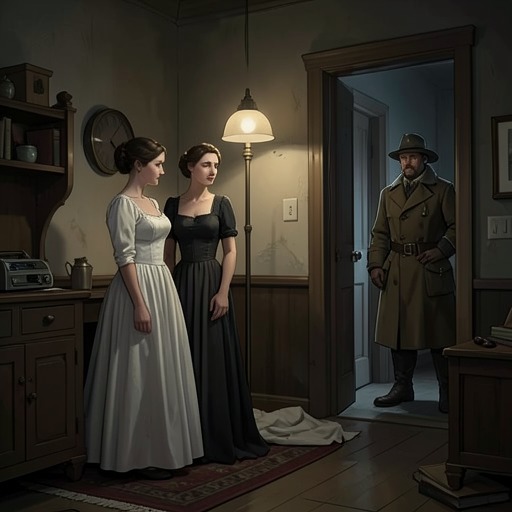
The Last of the MohicansCora Munro and Alice Munro are sisters whose loyalty to one another becomes a source of steadiness amid the dangers of the frontier war. The novel contrasts their temperaments but repeatedly shows their attachment through shared concern for their father, Cora’s protection of Alice, and Alice’s trust in her elder sister.
Identity and Contrast
When they first appear, Alice is the younger sister, fair-haired and blue-eyed, while Cora’s black hair, darker complexion, and composed bearing distinguish her. The contrast is presented through their appearance and manner rather than as a difference in their devotion: both travel together through the wilderness, and both are attentive to the risks their family faces.
Shared Concern for Their Father
In the cavern, Cora explains that the sisters cannot rest because their father does not know where or under what conditions they are lodged. Alice responds with grief and self-reproach, recalling how kind and indulgent he has been and regretting that they pressed for a dangerous journey. Their conversation shows that their sisterly bond exists alongside a shared sense of responsibility toward their father; Cora gives voice to the concern, while Alice expresses it through tenderness and remorse.
Care and Trust Under Threat
When Duncan wakes the sisters to move, Alice mistakes his presence for her father’s and says in her sleep that they have not been deserted. The moment conveys her vulnerability and her expectation of familial protection. Later, as danger closes in, Cora draws the nearly insensible Alice into the deepest part of the cavern, placing herself in the role of protector.
Their care for each other becomes most consequential during the attack on the departing garrison. Alice sees their father crossing the plain and calls to him, but he does not reach them before she loses consciousness. Magua then carries Alice away. Cora immediately follows, demanding that he release her sister; when he continues into the forest, she accepts the immediate safety of escaping the violence only so she can keep Alice with her. She holds out her arms for Alice, and Magua places the younger sister beside her on the same horse.
Narrative Significance
The sisters’ relationship is expressed less through declarations than through actions at moments of peril: shared anxiety, Cora’s sheltering of Alice, and her refusal to leave her when Magua takes her away. Their contrasting temperaments make this mutual care legible, but do not divide them. In the scenes surrounding the attack, sisterhood becomes both a source of emotional resolve and a practical bond that carries them together into captivity.